





Workplace safety is no longer just about hard hats and warning signs. In an era where digital transformation is redefining how we live and work, businesses are also rethinking how they keep their teams safe.
From construction sites to manufacturing plants, ensuring a safe work environment is critical, not just for compliance, but for protecting lives, sustaining productivity, and reducing costs. Modern technology has become an essential ally in this mission, offering smart solutions that go far beyond traditional safety measures.
With real-time monitoring, intelligent alert systems, and data-driven risk management, technology allows companies to proactively identify threats, respond to emergencies faster, and even prevent incidents before they happen. Let’s explore what workplace safety truly means, why it’s vital, and how technology is reshaping the way we protect our people.
What Is Workplace Safety?
Workplace safety refers to the set of policies, procedures, and conditions designed to ensure the physical and mental well-being of employees while they carry out job-related tasks. The goal is to minimize risks, eliminate hazards, and provide a secure working environment where employees can perform their duties without fear of harm.
At its core, work safety is about prevention. This includes everything from ensuring safe machinery operation and proper chemical handling to implementing ergonomic workstations and mental health programs.
Workplace safety isn’t limited to high-risk sectors like construction or manufacturing. It applies equally to office environments, healthcare settings, logistics, and even remote work setups. Every industry must adopt safety measures tailored to its unique challenges.
The aim is to create a culture where safety is everyone’s responsibility, not just a checklist item for regulatory compliance.
Why Is Safety Important in the Workplace?
A safe working environment directly impacts employee well-being, morale, and increased productivity. When workers feel secure, they perform better, take fewer sick days, and contribute more effectively to business goals.
Beyond human impact, there are strong financial incentives to prioritize safety. Workplace accidents lead to increased costs, from medical expenses and compensation claims to legal penalties and lost productivity. In contrast, a strong safety program helps avoid these losses and builds a positive employer reputation.
In short, why is safety important in the workplace? Because it protects people, preserves profits, and promotes long-term success.
Factors for Maintaining a Safe Workplace
Building a safe work environment requires a comprehensive approach. Below are the key factors every business should focus on:
1. Leadership and Organizational Commitment
Safety starts at the top. When leadership consistently communicates the importance of safety and leads by example, it sets the tone for the rest of the organization. Managers who prioritize safety in daily operations encourage employees to do the same.
For example, when leaders hold regular safety meetings and follow the same procedures they ask of their teams, it builds trust and encourages a culture of accountability.
2. Compliance with Safety Regulations
Companies must adhere to both local laws and industry standards related to workplace safety. But compliance isn’t just about avoiding fines, but it’s about implementing proven practices that minimize risks.
Regulations like OSHA in the U.S. or SMK3 in Indonesia are designed to protect employees. Regular safety audits and documentation ensure that these standards are not only met but integrated into everyday routines.
3. Safety Training and Awareness
Training is one of the most effective tools for improving workplace safety. Employees need to understand how to recognize hazards, respond to emergencies, and use protective equipment properly.
For instance, a simple safety drill could save lives during an actual fire. Similarly, training programs that include real-life scenarios and interactive learning make a lasting impact.
4. Strong Safety Culture
When safety becomes part of organizational identity, it influences behavior at every level. A solid safety culture means workers feel personally responsible for their safety and the safety of their peers.
In such environments, even small unsafe acts like ignoring a spill are addressed immediately. Recognition programs that reward safe behavior can further reinforce this mindset.
5. Employee Involvement
Top-down policies aren't enough. Employees should be actively involved in shaping safety protocols and reporting hazards. When workers are empowered to speak up, they become part of the solution.
Feedback sessions, anonymous reporting tools, and safety committees are effective ways to involve staff in safety decisions.
6. Ongoing Monitoring and Evaluation
Workplace conditions can change rapidly, especially in industries like construction, logistics, or energy. That’s why continuous monitoring is vital.
Regular inspections, safety audits, and real-time hazard tracking can help identify issues before they lead to accidents. Technologies like wearables and IoT sensors can assist with round-the-clock monitoring.
7. Emergency Response and Crisis Planning
Even the safest workplaces need to prepare for the unexpected. From power outages to natural disasters, businesses must have clear emergency procedures in place.
This includes evacuation plans, first-aid kits, fire suppression systems, and clearly marked exits. Every employee should be trained to act quickly and correctly in a crisis.
The Role of Technology in Workplace Safety
Technology is transforming how organizations manage safety. With the help of digital tools, companies can move from a reactive to a proactive safety model. Examples of Technology in Action:
-
Smart Sensors
These devices monitor environmental conditions such as temperature, air quality, and equipment vibrations. If a dangerous change occurs, they instantly alert supervisors to take action.
-
Automation and Robotics
Automated machines and robots can perform high-risk tasks, reducing human exposure. For example, a robotic arm can handle toxic chemicals instead of a worker.
-
AI and Predictive Analytics
AI can analyze safety data to identify patterns and predict future incidents. This helps companies prevent problems before they arise.
-
Augmented Reality (AR) and Virtual Reality (VR)
AR and VR are revolutionizing training by simulating hazardous environments without the actual risk. Workers can learn how to handle emergencies in a virtual space.
-
Mobile Safety Platforms
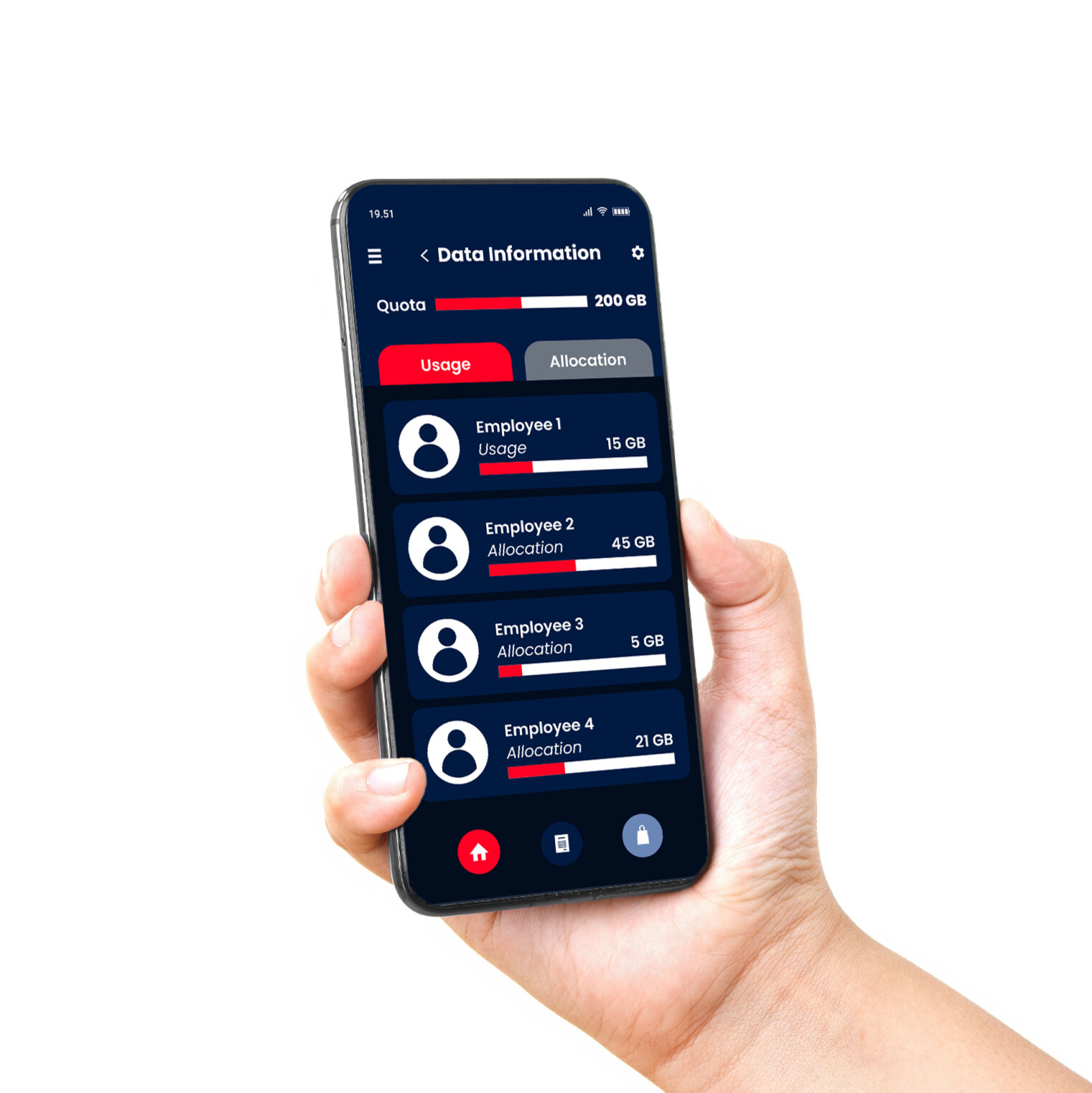
Mobile apps allow employees to report issues, complete checklists, and receive alerts directly on their phones. That’s where the concept of a Workplace Safety app comes into play and put safety tools directly in the hands of workers.
Telkomsel Connected Worker: A Smart Solution for Modern Safety Challenges
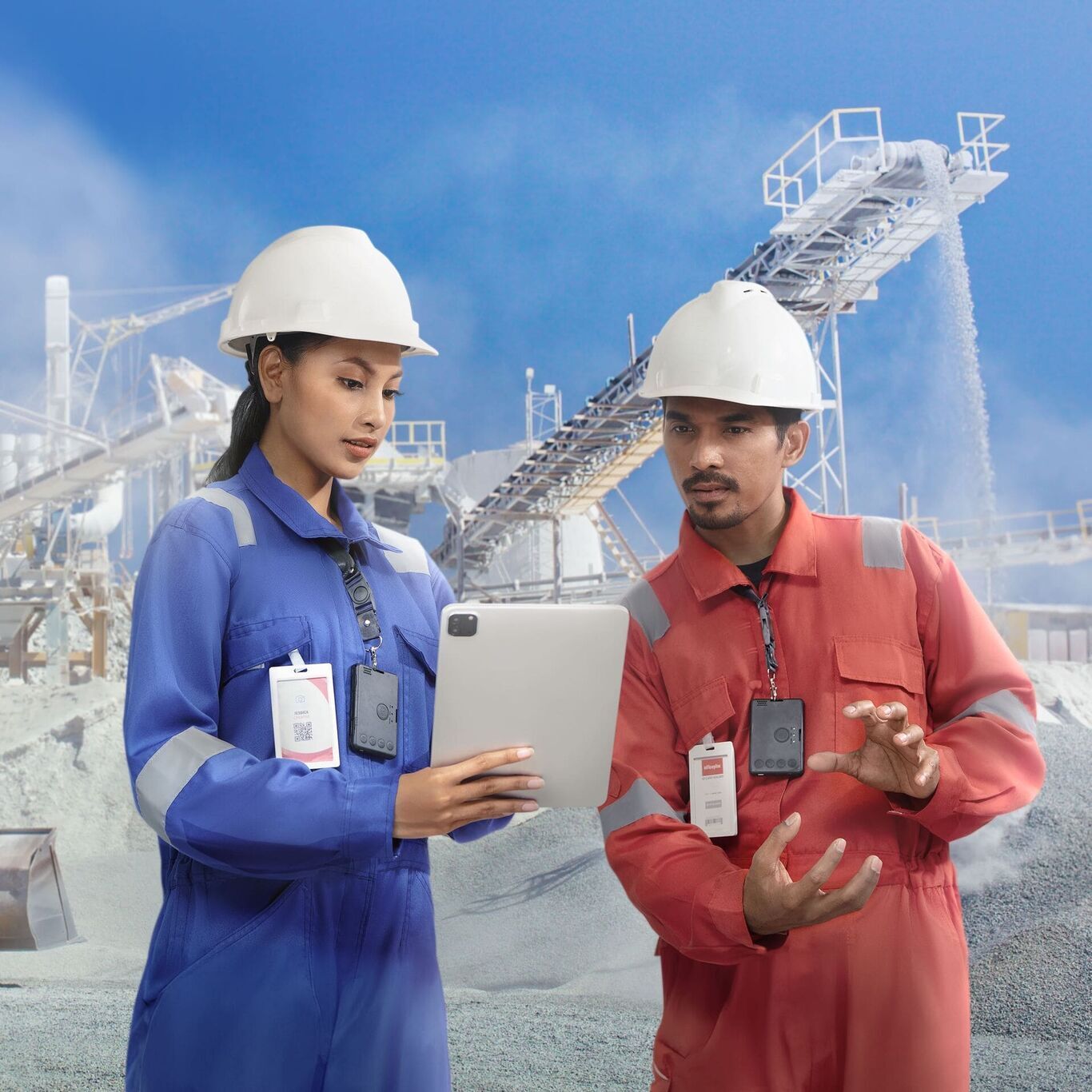
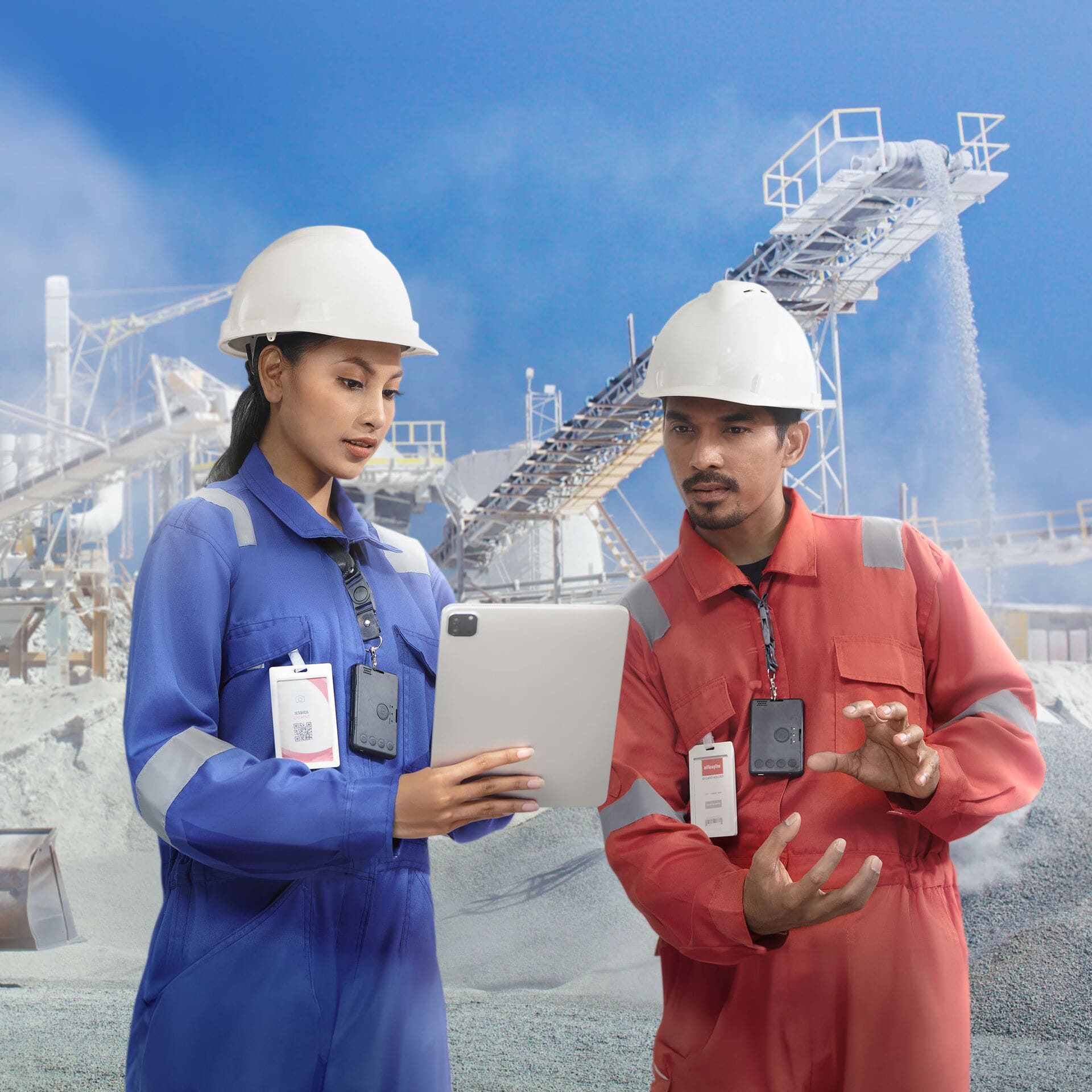
For companies seeking a comprehensive, end-to-end solution, Telkomsel Connected Worker offers a state-of-the-art platform designed to enhance worker safety through real-time connectivity and intelligent monitoring.
Whether you're managing a factory, a construction site, or a logistics fleet, Telkomsel Connected Worker helps keep your team protected while maintaining business continuity.
Workplace safety is evolving, and technology is at the heart of this transformation. From smarter equipment to real-time monitoring and AI-powered analytics, the digital age is providing powerful tools to safeguard employees like never before.
Adopting a workplace safety app like Telkomsel Connected Worker doesn’t just reduce risks, but it also shows your commitment to the people who drive your business. So, if you're looking to create a safer, smarter, and more productive workplace, it’s time to embrace technology as your strongest safety partner.