




Manufacturing overhead cost is one of the biggest silent threats to profit margins.
Manufacturing overhead costs are crucial for maintaining profitability and long-term growth. Often referred to as factory overhead cost, these indirect expenses can silently eat into profit margins if not monitored and controlled properly.
Surprisingly, studies show that factory overhead costs can account for 25% to 40% of a manufacturing company’s total budget, depending on the industry. That’s a massive chunk of money potentially being lost to inefficiencies, tightening profit margins and weakening overall competitiveness.
The good news? Modern technology offers powerful tools to streamline operations, reduce unnecessary spending, and improve visibility across all aspects of production.
Thanks to breakthroughs in Enterprise Resource Planning (ERP), Manufacturing Execution Systems (MES), and the Industrial Internet of Things (IIoT), manufacturers can gain better cost visibility, boost efficiency, and make data-driven decisions to optimize their overhead spending.
Let’s explore how technology can be integrated to effectively manage and reduce manufacturing overhead costs, improving both operational efficiency and bottom-line profitability.
What Is Overhead Cost in Manufacturing?
To understand how to control it, you first need to ask, "what is overhead cost?". In manufacturing, overhead costs refer to all expenses not directly tied to production but essential to factory operations. The examples include building rent, utility bills, equipment maintenance, indirect labor costs, insurance, and administrative expenses.
While these costs don't directly touch the assembly line, they play a crucial role in keeping the production process running smoothly. Mismanaging them can drain resources, shrink profit margins, and throw off financial stability.
Effectively managing manufacturing overhead costs requires a comprehensive understanding of these components. Even minor oversights or outdated methods can lead to budget leaks that erode profitability over time.
Top 3 Challenges in Managing Manufacturing Overhead Cost
Many manufacturers struggle to maintain control over their factory overhead cost. The core issues usually stem from visibility gaps, outdated systems, and reactive strategies. Here are the three main challenges businesses often face:
1. Lack of Cost Visibility
One of the biggest issues in managing manufacturing overhead is the lack of transparency around where and how the money is being spent. Without clear visibility, businesses can’t pinpoint which costs are necessary and which are wasteful.
For example, an unexplained spike in utility expenses or recurring maintenance costs can quietly bleed your budget if not analyzed in detail. Without real-time, granular insights, it's nearly impossible to make proactive, data-driven decisions.
2. Inefficient and Manual Processes
Outdated manual tracking systems are prone to human error and inefficiencies. When data is siloed or manually logged into spreadsheets, companies lose time and risk making decisions based on inaccurate information.
This inefficiency slows response time, affects productivity, and makes manufacturing overhead cost unnecessarily high.
3. Reactive Management
Many companies only address overhead costs after problems arise. This reactive approach may help put out fires, but it rarely prevents them from starting in the first place.
By the time you notice your factory overhead cost has ballooned, fixing the issue may require more time, resources, and money than it would have taken to prevent it.
The solution? A proactive, tech-integrated approach that empowers teams with data, streamlines systems, and anticipates cost issues before they escalate.
Tech Solutions for Managing Overhead Costs
To overcome these challenges, forward-thinking manufacturers are turning to advanced technologies that provide better insights, automation, and integration across departments.
Here are some of the most impactful solutions:
1. Enterprise Resource Planning (ERP)
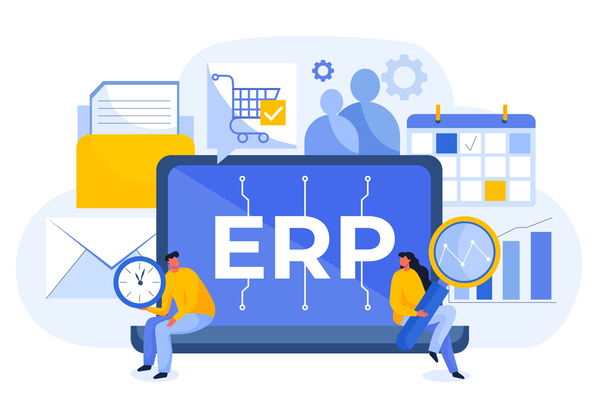
ERP systems centralize financial, operational, and supply chain data across departments. This not only breaks down silos but gives management a 360-degree view of overhead cost components.
With better integration and automation, companies can track indirect costs with precision, manage inventory smarter, and cut down on waste. ERP solutions make budgeting for manufacturing overhead far more reliable and responsive.
2. Manufacturing Execution Systems (MES)
MES provides real-time data on shop floor operations, equipment performance, and production quality. With this system, managers can closely monitor indirect labor and maintenance activities.
By identifying inefficiencies and flagging bottlenecks in real time, MES helps reduce factory overhead costs and fine-tune operational workflows for optimal productivity.
3. Industrial Internet of Things (IIoT)
IIoT uses smart sensors and connected devices to collect and analyze operational data automatically. This technology supports predictive maintenance, energy optimization, and process improvements, all of which significantly reduce manufacturing overhead for examples like equipment downtime and utility waste.
4. Cloud-Based Solutions
Cloud platforms offer scalable, secure, and cost-effective infrastructure. Whether you're storing operational data or running analytics, cloud technology allows easy access and seamless integration across systems.
Cloud tools reduce IT-related overhead while enhancing flexibility and collaboration across teams, particularly useful for multi-location manufacturing businesses.

4 Key Benefits of Integrating Technology to Reduce Overhead Costs
Adopting modern technology isn't just about keeping up with trends, but it's about gaining a competitive edge through smarter cost management.
Here are the top benefits of integrating tech solutions into manufacturing overhead cost control:
1. Reduced Overhead Costs
With ERP, MES, and IIoT in place, businesses can eliminate inefficiencies, automate time-consuming tasks, and reduce resource waste. This brings substantial savings in areas like maintenance, labor, and inventory holding.
2. Increased Profitability
Reducing factory overhead cost directly boosts profit margins. By minimizing unnecessary expenses, manufacturers can reinvest savings into growth or pass cost advantages onto customers, improving competitive positioning.
3. Smarter Decision-Making
Integrated technology delivers real-time data and valuable insights. This enables faster, more informed decisions that drive continuous improvement and long-term cost control.
Businesses can better anticipate risks, adjust strategies, and seize cost-saving opportunities that would otherwise go unnoticed.
4. Increased Competitiveness
Agility is a must in today’s manufacturing landscape. Companies that integrate technology into their overhead management are more responsive to market shifts and better equipped to adapt to change, making them more competitive and resilient.
Conclusion
Integrating digital solutions like ERP, MES, IIoT, and cloud platforms is no longer optional, but it’s essential. By embracing these technologies, manufacturers can reduce overhead costs, streamline operations, and enhance profitability in an increasingly competitive environment.
However, every technological investment should be guided by your unique business needs and a clear long-term strategy. When done right, smart integration empowers manufacturers to not just survive but thrive with stronger margins, better insights, and more control over their financial health.
If you're ready to take control of your factory overhead cost and boost operational efficiency, it’s time to explore innovative digital solutions tailored to your business.
Just as technology transforms manufacturing overhead management, it can also revolutionize your financial operations.
Telkomsel Enterprise offers a financial management solution called Pembukuan Digital, designed to simplify and enhance your business accounting. With features like automated financial reports, invoice generation, and accounts receivable/payable tracking, our system empowers smarter financial decisions.
Choosing Pembukuan Digital from Telkomsel Enterprise means choosing a future of streamlined, accurate, and efficient financial control. Contact us today to learn more and start your journey toward smarter financial management.