


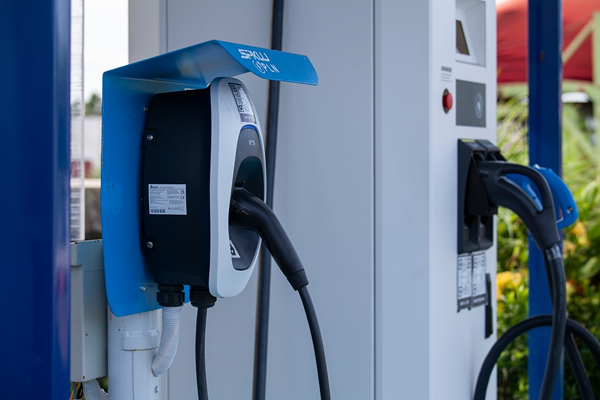


Why EV Charging Station Placement Remains a Challenge for Energy Operators
Finding strategic EV charging station locations remains a challenge for energy operators as the number of electric vehicles continues to grow in Indonesia. The demand for charging infrastructure is increasing but deciding where to build new EV charging stations (SPKLU) is not as simple as it may seem. Busy areas, such as city centers, may look like ideal locations, but they do not always match the actual concentration of EV owners, or their charging needs along frequently traveled routes.
Data Factors That Determine Strategic EV Charging Station Locations
Several data factors need to be considered when determining strategic EV charging station locations. These include the density of electric vehicle owners in a particular area, mobility patterns and frequently traveled routes, the availability of existing charging infrastructure nearby, and the charging applications commonly preferred by EV users in that area.
Risks of Misplaced EV Charging Stations
Building EV charging stations in areas with low demand can lead to inefficient infrastructure investments. Charging units may remain underused, while maintenance costs continue to add up. On the other hand, areas with a high concentration of EV owners but insufficient charging points risk losing potential users, as they may switch to other energy operators with more accessible charging facilities.
How SiteSense Helps Determine EV Charging Station Locations
SiteSense, a location intelligence solution from Telkomsel Enterprise, uses mobility and demographic data from Telkomsel's customer base of more than 159 million users, combined with Google Maps and Point of Interest data. Energy operators simply need to select the area they want to analyze and choose relevant parameters, such as EV owner density or the availability of existing charging stations. SiteSense then generates data-based scores and location recommendations for each potential EV charging station.
Case Study: Mapping Charging Points Based on EV Owner Density
A similar approach has been used to map EV charging station locations based on the density of electric vehicle owners and the availability of existing charging facilities in an area. This helps energy operators identify areas that still lack charging infrastructure while avoiding the placement of new units in locations that are already well-served.
People Also Ask (FAQ)
Q: What is the difference between location intelligence and manual field surveys for EV charging station placement?
A: Manual field surveys rely on visual observations and limited samples, while location intelligence analyzes large-scale mobility and demographic data to provide a more representative picture of the actual distribution of EV owners.
Q: Is SiteSense only relevant for large EV charging station operators?
A: No. This approach is relevant to energy operators of different sizes and EV infrastructure partners who want to evaluate potential locations before making investment decisions.
Q: What data does SiteSense use for EV charging station location analysis?
A: SiteSense combines mobility data, EV owner density and profiles, Point of Interest data, and map data from Google Maps.
Conclusion
Choosing the right EV charging station locations no longer has to rely solely on visual assumptions. With SiteSense from Telkomsel Enterprise, energy operators can make data-driven charging location decisions based on EV owner density and mobility patterns. This helps ensure that infrastructure investments are better targeted and deliver greater value to electric vehicle users.