





The manufacturing business stands as one of the most dynamic yet complex sectors in today’s economy. From volatile raw material prices to intense global competition and operational inefficiencies, manufacturers constantly face a wide range of challenges that can make or break their success.
As pressures mount, business leaders in the manufacturing sector are left asking, how can we not just survive, but thrive? And even more crucially, is it possible to implement effective manufacturing business strategies in the digital era?
What Is a Manufacturing Business?
At its core, the manufacturing sector is the backbone of industrial growth. It converts raw materials into finished goods that fuel economies, provide employment, and meet essential daily needs. From the food we consume to the cars we drive and the furniture in our homes, almost every tangible product begins in a factory.
The importance of this sector goes beyond production, it influences trade, supply chains, innovation, and national competitiveness. Without a robust manufacturing base, economic stability becomes fragile.
Types of Manufacturing Industries
The manufacturing business sector is incredibly broad, covering a wide range of industries that are often part of our daily lives, whether we realize it or not. From food processing to electronics and automotive assembly, here are some common examples of manufacturing businesses across different industries.
1. Food and Beverage Manufacturing
This sector transforms raw ingredients like wheat, sugar, and milk into ready-to-consume products. Think of a bakery that processes flour, sugar, and other ingredients into packaged bread, or beverage factories that produce bottled tea, milk, and mineral water.
2. Textile and Apparel Manufacturing
In this industry, the journey begins with processing cotton into yarn and continues through weaving, dyeing, and eventually turning fabric into garments. One popular example of a manufacturing business in this field is a garment factory or local tailoring workshop.
3. Automotive Industry
This segment involves the assembly of motor vehicles such as cars and motorcycles, often using parts sourced from various suppliers. In addition to auto and motorcycle plants, companies that produce vehicle components like brakes, tires, and electrical systems also fall into this category.
4. Electronics Manufacturing
Electronics manufacturers produce high-demand tech products including smartphones, laptops, TVs, and home appliances like washing machines and refrigerators. These businesses rely heavily on precision and innovation.
5. Chemical Industry
This industry covers factories that produce fertilizers, paints, industrial chemicals, detergents, and household cleaning products. Chemical manufacturing is essential in supporting many other sectors.
6. Pharmaceutical Manufacturing
Unlike general chemical production, this sector focuses on processing active pharmaceutical ingredients into medicines, vitamins, and health supplements. It requires strict quality control and compliance with health standards.
7. Wood and Furniture Industry
In this sector, raw timber is processed into finished furniture such as chairs, tables, bookshelves, and wardrobes. Furniture factories are a prominent example of manufacturing businesses in this category.
8. Paper and Printing Industry
This industry includes the production of A4 paper, book and brochure printing, and packaging materials for food and consumer goods. These manufacturers serve both businesses and consumers directly.
9. Plastic and Rubber Product Manufacturing
Common products from this sector include plastic containers, toys, vehicle tires, and various goods made from synthetic rubber. It’s one of the most versatile and widespread segments in manufacturing.
Challenges in Manufacturing Businesses
Despite its importance, the manufacturing business faces numerous hurdles that can impact profitability, scalability, and sustainability. Understanding these challenges in manufacturing businesses is the first step toward overcoming them.
1. Demand Forecasting Difficulties
Unpredictable market demand can lead to either overproduction or stock shortages. Both are costly. Without real-time data and reliable reporting systems, manufacturers risk losing revenue or unsold inventory.
2. Managing Big Data
The larger the data, the greater the difficulty in managing it. However, the challenges here extend beyond storage.
How this data is processed to generate useful insights is equally challenging. Without an integrated data management system, important information can be lost or difficult to access when needed.
3. Inventory Management
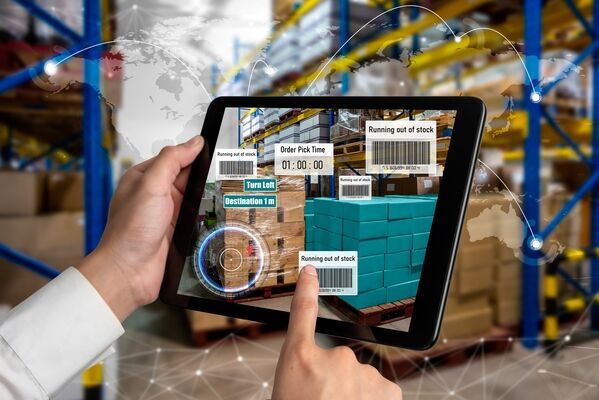
Excess inventory increases storage costs. On the other hand, insufficient inventory can lead to delivery delays, leading to customer dissatisfaction. To address these issues, manufacturers must invest in real-time inventory monitoring systems that provide an accurate picture.
4. Boosting Factory Efficiency
Many manufacturers struggle with operational inefficiencies. The question is, how do you increase productivity without sacrificing quality? The answer lies in adopting digital technologies, streamlining workflows, and deploying ERP systems to ensure every department works in harmony.
5. Identifying Sales Prospects
Not every lead is worth pursuing. So, you can imagine how difficult it is to track and analyze leads without a reliable system. Furthermore, if a company misplaces its focus on low-potential clients or even ignores valuable opportunities, the sales team can become completely lost.
Staying Afloat Isn’t Enough, It’s Time to Accelerate
The manufacturing business is about more than just production. Today’s market demands more than operational efficiency, it requires agility, foresight, and the ability to respond quickly to change. In an increasingly competitive landscape, the difference between stagnation and growth often lies in how strategic your next move is.
To support this transformation, Telkomsel Enterprise, through its Solution Day initiative, brings fresh momentum to the manufacturing sector. Beyond offering cutting-edge digital services, Telkomsel Enterprise delivers comprehensive solutions tailored to real-world manufacturing needs, from boosting operational efficiency and optimizing assets to enhancing overall business competitiveness.
The time has come to let go of outdated systems and shift toward smarter, more adaptive, and measurable approaches. With Telkomsel Enterprise, your manufacturing business can evolve into a future-ready operation, fully equipped to thrive in today’s fast-moving, technology-driven industrial landscape.