


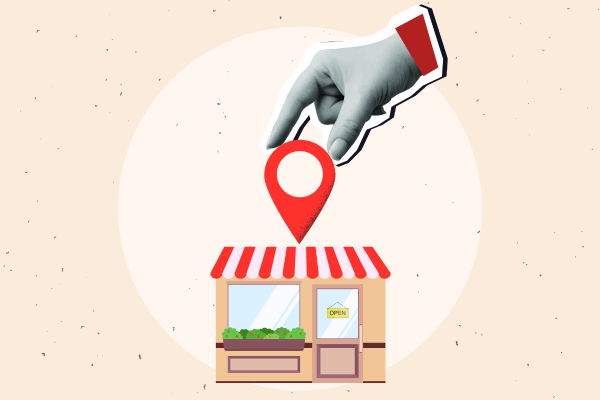


Choosing the ideal retail location goes far beyond picking a spot that merely looks busy or strategically positioned on a map. In practice, pinpointing the right physical footprint stands as a decisive factor that can dictate whether your venture thrives or struggles to survive. That’s precisely why entrepreneurs must thoroughly evaluate every dimension before committing to a commercial space.
Why Choosing a Retail Business Location Matters
A retail store’s location directly affects overall business performance. From customer acquisition to operational costs, every aspect of the business can be influenced by where your store operates.
1. Target Market Alignment
Your commercial space must perfectly align with the demographic you intend to serve. Grasping the unique characteristics, spending habits, and lifestyle preferences of locals enables you to verify whether the neighborhood truly resonates with your product lineup or service offerings.
2. Growth Potential
Areas experiencing infrastructure development, commercial expansion, or increasing economic activity often offer stronger opportunities for future growth. A location in a developing district may become significantly more valuable over time as population density and consumer demand increase.
Businesses that strategically position themselves early in high-growth areas often gain long-term advantages over competitors.
3. Accessibility and Visibility
Easy access plays a major role in attracting customers. A retail location with smooth transportation access, nearby parking areas, pedestrian-friendly infrastructure, and visibility from major roads naturally receives more attention.
High visibility also improves organic brand exposure. The easier customers can spot and reach your store, the more likely they are to visit regularly. When discussing what makes a good retail location, accessibility and visibility consistently rank among the top factors.
4. Competition Analysis
On one hand, a high concentration of similar storefronts signals robust consumer demand. On the other, an oversaturated market can quickly erode your profit margins. Conducting a thorough competitor audit beforehand ensures you enter a market with a clear advantage.
Retail Business Location Selection Criteria
Selecting the right retail site requires careful planning and research. Below are the most critical factors to evaluate during the retail business location selection process.
1. Pedestrian and Vehicular Traffic Volume
Locations with high pedestrian activity or heavy vehicle traffic typically offer better opportunities to attract customers. Busy commercial streets, shopping districts, and transit-connected areas often generate higher spontaneous visits.
Monitoring traffic patterns at different times of day can provide valuable insight into the true commercial potential of a location.
2. Presence of Complementary Businesses
Complementary businesses are establishments that indirectly support your sales by attracting similar customer groups. For instance, a fashion store located near cafés, entertainment venues, or shopping centers may benefit from increased visitor flow.
This strategy is commonly used in successful retail location strategy planning because neighboring businesses can create stronger customer ecosystems.
3. Area Demographics
Demographic analysis remains one of the most important retail business location selection criteria. Factors such as age group, income level, lifestyle, occupation, and purchasing behavior all influence customer demand.
By understanding local demographics, businesses can better adjust product offerings, pricing strategies, and promotional campaigns to fit market expectations.
4. Financial and Operational Costs
Rental fees or property purchase costs should align with your business budget and projected revenue. Beyond rent, businesses must also calculate additional operational expenses such as utilities, security, maintenance, parking management, internet connectivity, and local taxes
A strategic retail location should support healthy profit margins while remaining financially sustainable.
5. Competitor Evaluation
Studying nearby competitors helps identify market gaps and differentiation opportunities.
This evaluation helps businesses build stronger positioning strategies and avoid entering overly competitive markets without preparation.
6. Long-Term Area Development
A location may seem less attractive today but holds enormous future value due to upcoming infrastructure projects, commercial developments, or population growth. Businesses that consider long-term area potential often gain stronger returns on investment compared to those focused only on immediate visibility.
7. Infrastructure Quality
Infrastructure significantly impacts customer convenience and business operations. Reliable roads, parking facilities, internet access, drainage systems, and public transportation all contribute to a positive retail environment.
Strong infrastructure also improves operational efficiency and enhances the overall customer experience.
Types of Retail Location
Understanding the different types of retail location can help businesses select the most suitable environment based on their target audience and operational goals.
-
Shopping Malls: Deliver massive foot traffic and premium amenities, though they typically command premium rental rates.
-
Commercial Shop Houses or Retail Complexes: Offer greater operational flexibility and more budget-friendly leasing terms.
-
Main Roadside Locations: Ideal for brands prioritizing maximum street exposure and immediate customer access.
-
Residential Areas: Neighborhood-based retail locations are suitable for businesses serving daily consumer needs, such as convenience stores, laundry services, pharmacies, or small cafés.
-
Office Districts: Retail businesses targeting office workers, such as coffee shops, quick-service restaurants, or convenience services, often perform well in business and corporate areas.
How to Choose the Right Retail Business Location
Finding the ideal retail location requires a structured and data-driven approach. Below are several practical steps to improve your decision-making process.
1. Conduct Thorough Location Research
Visit your shortlisted neighborhoods in person. Observe street dynamics, peak traffic hours, and local community behaviors across different days and times to capture a realistic snapshot.
2. Execute a SWOT Analysis for Each Candidate
Evaluate each candidate location by identifying its strengths, weaknesses, opportunities and threats. This method allows businesses to compare multiple options objectively and reduce decision-making risks during the retail business location selection process.
3. Create a Priority Checklist
Every business has different priorities. Some focus on affordability, while others prioritize visibility, accessibility, or proximity to target customers. Establishing clear priorities helps narrow down choices and supports more strategic decision-making.
4. Calculate Financial Projections
Calculate anticipated revenue streams, recurring operational costs, and realistic profit margins. Confirm that your selected address will deliver a solid return on investment that aligns with your long-term business goals.
5. Consult Industry Experts
Business consultants, retail strategists, and property professionals can provide valuable insights before making a final decision. Expert guidance may help identify hidden risks or opportunities that are easily overlooked.
Choosing the right retail location requires more than intuition. Businesses must evaluate demographics, accessibility, competitors, infrastructure, operational costs, and long-term growth potential before making a decision.
Fortunately, location analysis can become more accurate and efficient with SiteSense from Telkomsel Enterprise.
By providing insights into demographic profiles, mobility patterns, and consumer behavior, SiteSense helps businesses identify the most strategic retail locations using data-driven analysis. Maximize your business opportunities with SiteSense from Telkomsel Enterprise and make smarter retail location decisions with confidence!