





A secure internet connection has become one of the most important foundations for every modern business. As companies grow increasingly dependent on technology and constant connectivity, cyber threats such as data breaches, ransomware attacks, phishing schemes, and unauthorized access to corporate systems continue to evolve at an alarming pace.
Without the right protection in place, these threats can disrupt business operations, cause significant financial losses, and damage a company's reputation. For that reason, building a strong and reliable network security system is no longer optional, it is a business necessity.
Why Do We Need a Secure Internet Connection?
The internet serves as the backbone of virtually every digital activity within a company. From internal data exchanges and customer communications to cloud-based application access and production system management, every business process demands a fast, stable, and protected connection. However, without adequate security measures, your internet network becomes a wide-open gateway for a wide range of cyber threats.
A secure internet connection works by shielding your data, devices, applications, and company systems from unauthorized access. With the rise of hybrid work models, the growing use of IoT devices, and the surge in digital-based business activities, companies now need a far more comprehensive security framework to ensure that every connected device remains protected against emerging threats.
Beyond safeguarding sensitive information, a secure internet connection also supports compliance with various information security standards and data protection regulations. This means your company can confidently pursue digital transformation without compromising the security aspect that keeps everything running smoothly.
Why Businesses Need a Secure Internet Connection?
Every company, whether small, medium, or large in scale, stores a wealth of critical information that serves as a valuable business asset. A secure internet connection ensures these assets receive optimal protection around the clock. When security is properly maintained, all digital activities can proceed without unwanted interruptions or unexpected downtime.
Amid rising customer expectations regarding personal data protection, investing in network security has also become a key factor in building trust. Companies that demonstrate a strong commitment to information security tend to earn greater confidence from customers, business partners, and investors alike. With a robust security system in place, businesses can also maintain operational continuity while boosting overall workplace efficiency.
The Risks of Using an Unsecured Internet Network
On the flip side, a lack of proper protection for your internet network can expose your business to a host of serious risks, including:
Company Data Breaches
Cybercriminals can exploit security vulnerabilities to gain access to sensitive information such as customer data, financial reports, business strategies, and confidential product details. A data breach doesn't just hurt a company financially, it can also lead to severe legal consequences and regulatory penalties.
Cyber Attacks
Cyber threats continue to evolve with increasingly sophisticated methods. Some of the most common types of attacks include ransomware, malware, phishing, Distributed Denial of Service (DDoS) attacks, and the exploitation of system vulnerabilities.
These attacks can result in data loss, operational disruptions, or even a complete takeover of your company's systems by malicious actors with harmful intentions.
Operational Disruptions
When your network experiences downtime due to a cyber-attack or a security system failure, business activities can grind to a halt.
Employees lose access to essential applications, production systems stop functioning normally, and distribution processes become severely disrupted. The longer the disruption lasts, the greater the impact on your company's overall productivity and output.
Financial Losses and Business Reputation Damage
Cybersecurity incidents often come with staggering costs. Your company may need to allocate significant funds for system recovery, digital forensic investigations, hardware replacement, and even compensation to affected customers.
Beyond the financial toll, your company's reputation can suffer lasting damage. Customers who lose trust are likely to switch to competitors, while business partners may reconsider their collaborations if they perceive your security systems as inadequate or unreliable.
Characteristics of a Secure Internet Network
To fully support business operations at peak performance, a company's internet network should ideally possess the following characteristics:
-
Strong authentication systems, such as the implementation of multi-factor authentication (MFA), verify user identities before granting access.
-
Data encryption to ensure that any information transmitted across the network remains unreadable to unauthorized parties.
-
Network segmentation based on function or access level, so that any network issues are contained and do not spread across the entire company system.
-
Real-time monitoring to detect suspicious activities at the earliest possible stage before they escalate into major incidents.
-
Stable and reliable connectivity, especially for operations that require real-time responsiveness and minimal latency.
-
Role-based access control ensures that users only have access aligned with their specific duties and responsibilities, thereby reducing the risk of internal misuse or data leaks within the organization.
Network Security Solutions for Businesses
Building a secure internet connection requires a thoughtful combination of technology, policies, and ongoing management. Businesses need to perform regular system updates, deploy firewalls, utilize dedicated network security devices, conduct cybersecurity awareness training for employees, and implement routine data backup procedures.
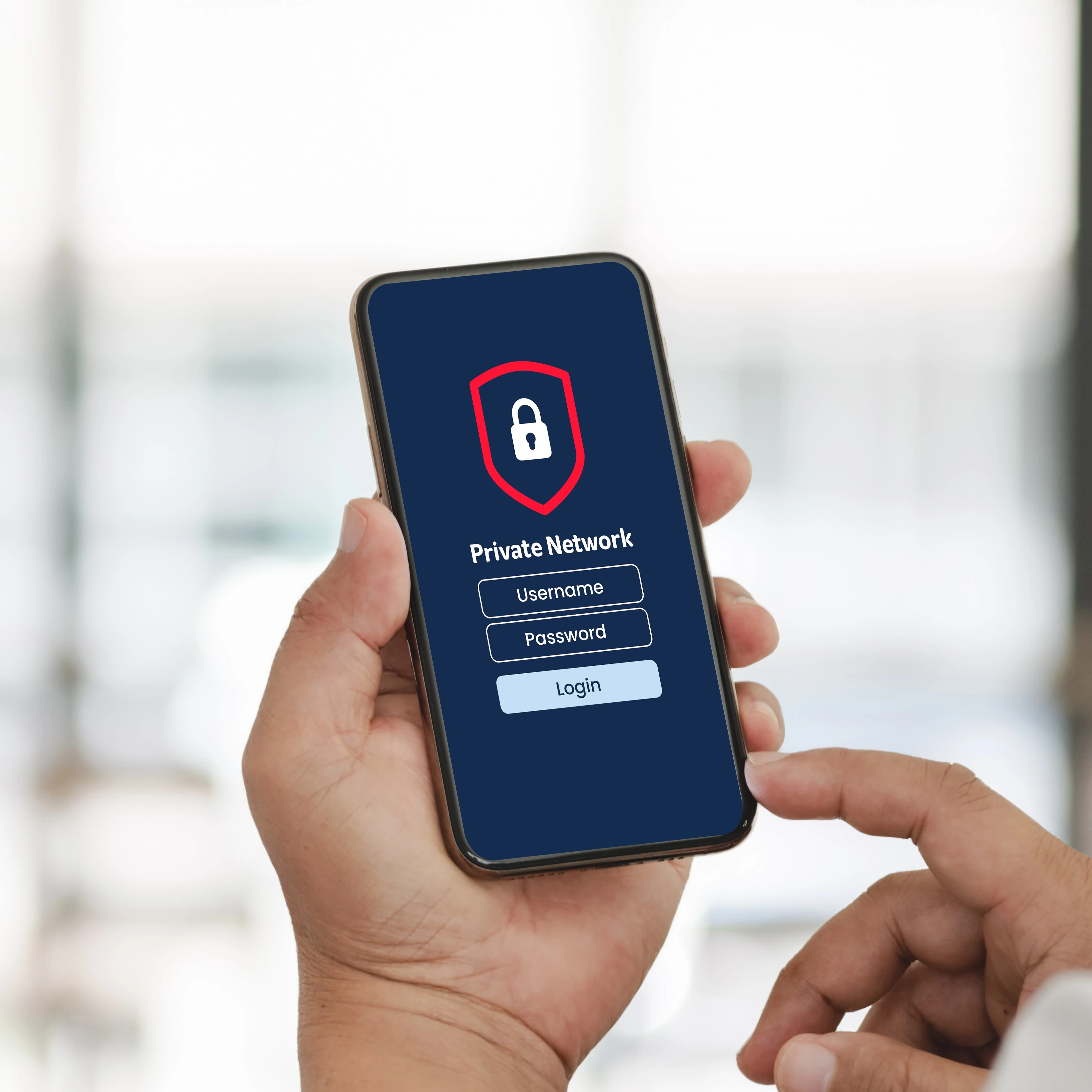
Additionally, the use of private networks has become an increasingly popular strategy among companies looking to enhance the security of their data communications. Unlike public networks shared simultaneously by numerous users, a private network is designed exclusively for a company's specific needs. More restricted access makes data communication significantly safer, while the risk of external interference is minimized to a great extent.
Telkomsel Enterprise offers a Private Network solution that helps your business build a private network with a far higher level of security compared to public alternatives. With exclusive access, Telkomsel's stable connectivity, and low latency, Telkomsel Enterprise's Private Network supports the secure exchange of critical data while enabling more efficient and reliable real-time operations.
Build a stronger, safer foundation for your digital business with Private Network from Telkomsel Enterprise! Enjoy private connectivity that supports secure data exchange, maintains operational continuity, and elevates your business efficiency to the next level.
FAQ:
What Is a Secure Internet Connection?
A secure internet connection is a network protected by multiple security mechanisms that safeguard data, devices, and systems from unauthorized access, cyberattacks, and information leaks. It typically uses encryption, authentication, access control, and continuous network monitoring to maintain security.
How can I tell if an internet network is secure?
A secure network typically uses encrypted connections, strong authentication methods, firewalls, access controls, and secure communication protocols such as HTTPS. These security measures help ensure that information is transmitted safely and protected from unauthorized access.
Is public Wi-Fi safe for online transactions?
Public Wi-Fi networks generally carry higher security risks because they are shared by many users. It is recommended to avoid online banking, financial transactions, or access sensitive business information while connected to public Wi-Fi unless additional protection, such as a VPN, is being used.
Why should I use a VPN when accessing the internet?
A Virtual Private Network (VPN) encrypts your internet connection, making it much more difficult for unauthorized parties to intercept or access your data. Using a VPN provides an extra layer of protection, especially when accessing the internet through public or unsecured networks.