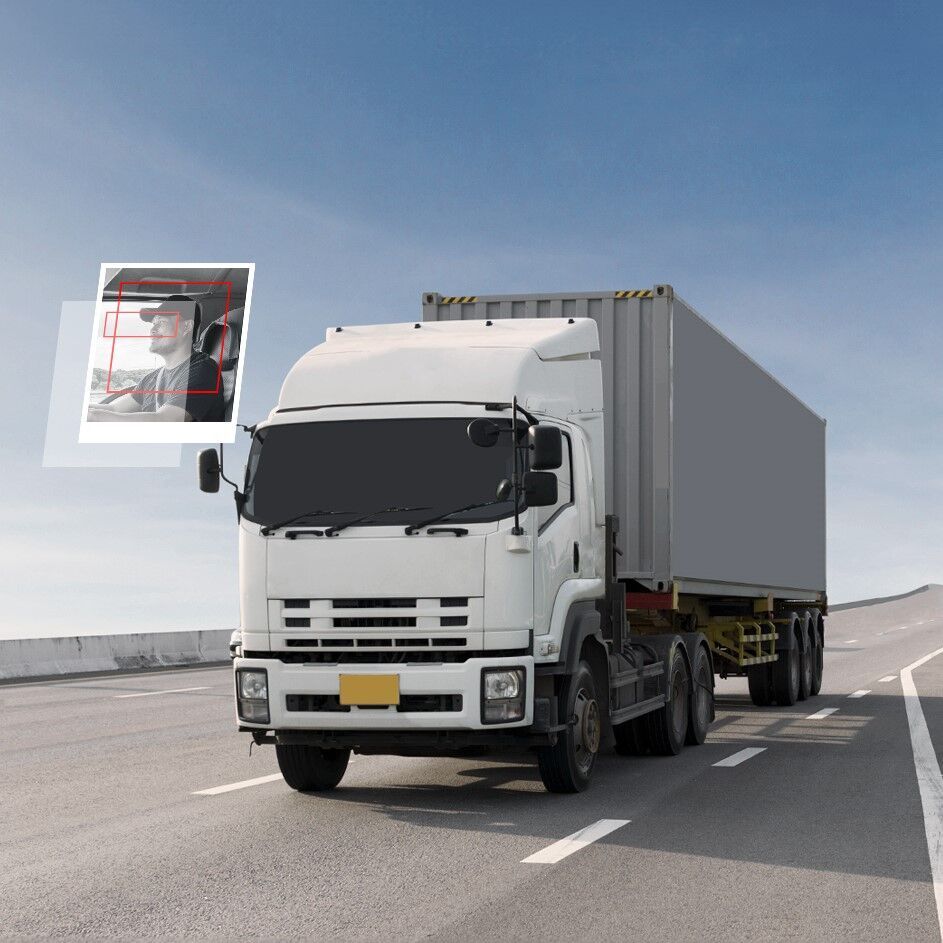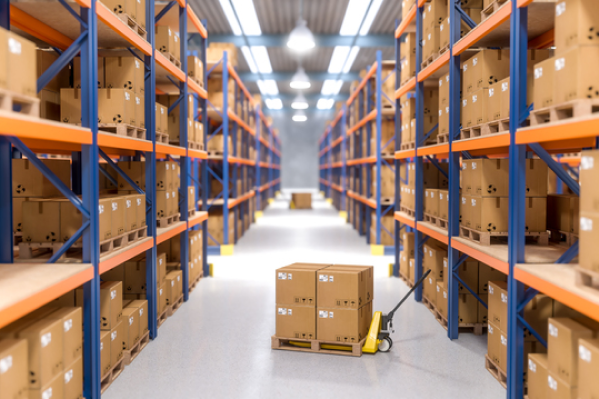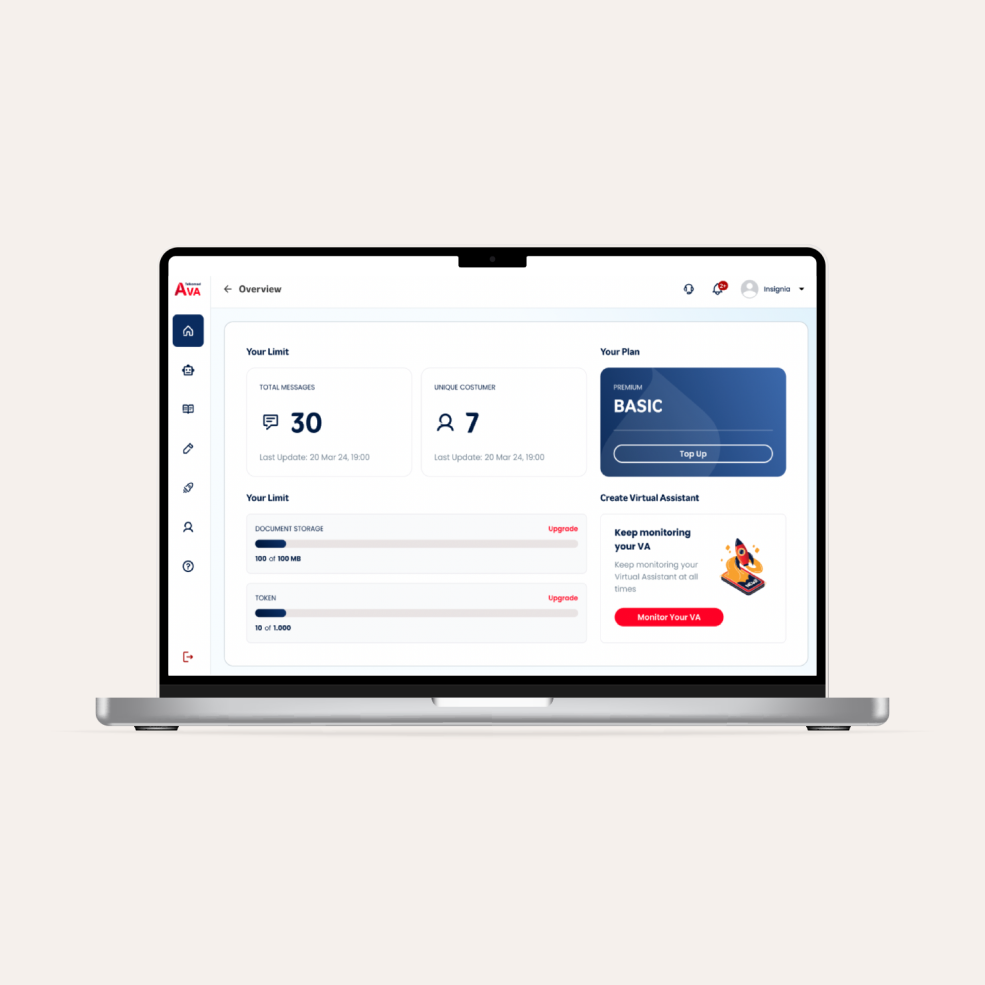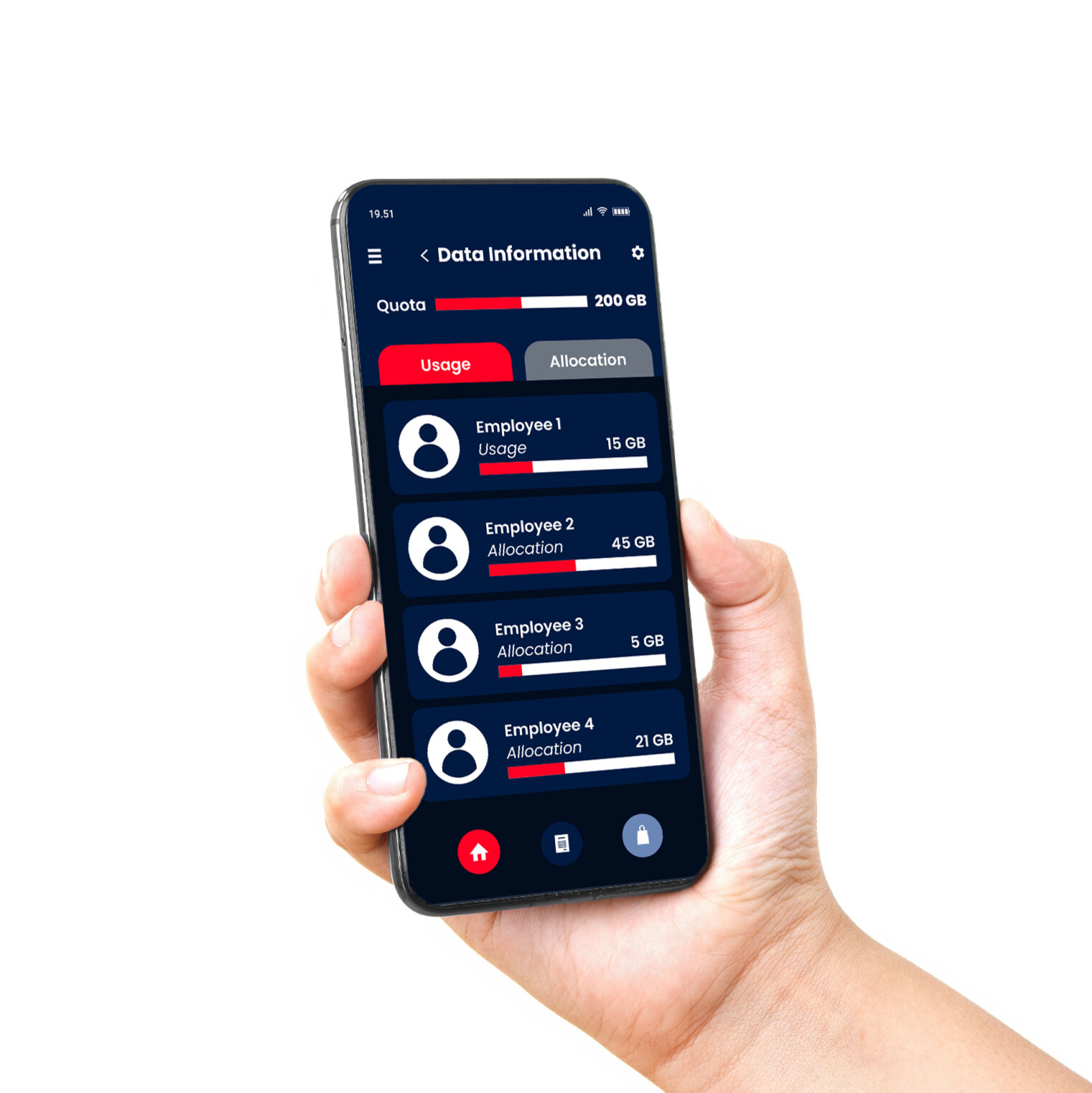






Inbound logistics is able to respond to changes in demand and supply disruptions. This allows businesses to be more flexible in adapting to market dynamics and reduce the risk of under or over-stocking.
The performance of a company’s supply chain heavily depends on how effectively it manages the flow of raw materials and components from suppliers. This early phase, known as inbound logistics, is the foundation of a well-functioning production and distribution system.
When inbound logistics is handled with precision, businesses can maintain optimal inventory levels, ensure timely production, reduce operational costs, and strengthen relationships with suppliers. Conversely, poorly managed inbound operations can lead to supply delays, increased storage costs, and missed deadlines, all of which negatively impact the entire logistics management framework.
In Indonesia, where manufacturing and trade industries are rapidly evolving, logistics companies are under increasing pressure to stay adaptive and responsive to shifting market conditions. According to the Indonesian Logistics Association (ALI), the local logistics sector demonstrated a relatively fast recovery from the impacts of the COVID-19 pandemic, thanks largely to accelerated digitalization.
This highlights the critical role of aligning technology with inbound logistics strategies to ensure business continuity and long-term resilience amid uncertainty in the global supply chain landscape.
What Is Inbound Logistics?
Inbound logistics refers to the process of managing and coordinating the flow of raw materials, components, and goods from suppliers into a company’s production or storage facilities. It is a crucial part of logistics management and plays a central role in ensuring the smooth operation of the supply chain.
Unlike outbound logistics, which deals with delivering finished products to customers, inbound logistics focuses on the upstream movement of goods that are essential for manufacturing and inventory purposes. This includes everything from procurement and transportation to receiving, inspection, and warehousing.
Inbound logistics covers a range of tasks, including:
-
Procurement: Identifying and ordering the right type and quantity of raw materials. Transportation
-
Management: Coordinating delivery methods and routes to ensure timely arrival.
-
Receiving & Inspection: Checking received goods for quality and quantity.
-
Inventory Storage: Storing materials safely and efficiently for easy access during production.
The 6 Strategic Roles of Inbound Logistics in Supply Chain Mangement
When aligned with broader business goals, inbound logistics becomes a powerful enabler of operational excellence. Here are six key ways it supports and enhances supply chain management:
1. Cost Efficiency Through Streamlined Operations
One of the most significant benefits of robust inbound logistics is cost savings. By optimizing the procurement and transportation of raw materials, companies can reduce both shipping and storage costs.
Strategic planning ensures that materials arrive just in time for production, minimizing excess inventory and associated holding costs. Additionally, long-term supplier partnerships can lead to volume discounts and favorable payment terms.
2. Ensuring Continuous Production Flow
Timely availability of raw materials ensures that manufacturing processes run smoothly without unnecessary delays. This helps maintain consistent production schedules, improves throughput, and enhances delivery performance to end customers.
When inbound logistics is well-managed, bottlenecks caused by material shortages are minimized, which directly contributes to higher productivity and output reliability.
3. Minimizing Supply Chain Disruptions
Global supply chains are vulnerable to disruptions, ranging from natural disasters and geopolitical issues to supplier insolvency. Strong inbound logistics strategies help businesses mitigate these risks through supplier diversification, real-time tracking, and buffer inventory planning.
By maintaining multiple sourcing options and leveraging predictive analytics, companies can anticipate potential disruptions and adjust their inbound flows accordingly.
4. Improving Product Quality from the Start
Inbound logistics also plays a vital role in quality assurance. A structured receiving and inspection process ensures that only high-quality raw materials enter the production cycle. This reduces the risk of defective final products and supports brand reputation and customer satisfaction.
Regular audits and quality checks at the receiving stage contribute to maintaining high standards across the supply chain.
5. Building Stronger Supplier Relationships
Collaborative and transparent interactions with suppliers are essential for successful logistics management. Companies that invest in building strong relationships with their suppliers benefit from better service levels, faster response times, and improved negotiation power.
Joint planning initiatives, shared forecasts, and collaborative problem-solving all stem from effective inbound logistics practices.
6. Advancing Sustainability Goals
Modern consumers and stakeholders increasingly demand environmentally responsible for operations. Inbound logistics offers opportunities to reduce carbon footprints by optimizing transportation routes, consolidating shipments, and adopting eco-friendly packaging.
Additionally, efficient inventory control minimizes waste and overproduction, aligning with sustainable development goals and reducing environmental impact.
Strategies to Optimize Inbound Logistics
To unlock the full potential of inbound logistics, companies should adopt a combination of strategic planning, technology integration, and continuous improvement. Here are some actionable strategies:
1. Choosing the Right Suppliers
Selecting the right suppliers is a foundational aspect of optimizing inbound logistics. Reliable suppliers ensure consistent material availability, reduce the risk of delays, and contribute to smoother production processes.
Beyond that, supplier strategy also impacts cost-efficiency, supply risk management, and long-term collaboration. A smart supplier selection process involves regularly assessing performance and ensuring you’re not overly dependent on a single vendor. Building strategic partnerships with trusted suppliers can lead to favorable pricing and prioritized service, making it a valuable component of a resilient supply chain.
-
Evaluating supplier performance: Regularly assess suppliers based on quality, timeliness, and cost-effectiveness.
-
Supplier diversification: Having multiple suppliers for the same material reduces reliance on one source and boosts negotiation power.
-
Developing long-term relationships: Strong, long-term partnerships with trusted suppliers can bring competitive pricing and preferred service levels.
2. Leveraging Technology for Logistics Management
Modern logistics management relies heavily on digital technology to optimize inbound processes. From shipment visibility to inventory tracking and real-time communication, digital tools can drastically improve accuracy and efficiency.
Software systems designed for logistics help organizations stay informed and responsive throughout the entire inbound flow. These systems also generate valuable data that can be used to refine operations continuously, reduce human error, and respond faster to disruptions across the supply chain.
-
Transportation Management Systems (TMS): Helps plan, execute, and optimize the transportation of goods.
-
Warehouse Management Systems (WMS): Enables efficient storage and retrieval of materials, reducing picking errors and increasing warehouse productivity.
-
Internet of Things (IoT): IoT sensors provide real-time insights into shipment location and condition, improving decision-making and responsiveness.
3. Implementing Just-In-Time (JIT)
The Just-In-Time (JIT) method is designed to align material deliveries with production schedules, minimizing the need for excess storage. This approach is particularly beneficial in reducing inventory holding costs and eliminating waste.
However, JIT requires a high degree of synchronization between procurement, suppliers, and production planning. To make JIT successful, businesses must use accurate forecasting, maintain flexible production lines, and have reliable suppliers who understand and can meet tight delivery timelines.
-
Tight coordination with suppliers: Ensure suppliers are fully aligned with your production needs and schedule.
-
Predictive data usage: Leverage data analytics to accurately forecast raw material needs and plan deliveries accordingly.
-
Production flexibility: Adapt production schedules to accommodate any changes in material delivery without disrupting operations.
4. Data Analysis and Demand Forecasting
Data-driven planning is essential for proactive and efficient inbound logistics. Companies can use past sales trends and market data to forecast future demand more accurately. With these insights, procurement and inventory levels can be aligned with actual business needs, minimizing the chances of overstock or stockouts.
Predictive models and machine learning algorithms further enhance accuracy, helping logistics teams make smarter, faster decisions in an increasingly volatile market. This enables better inventory control and supports overall supply chain efficiency. Steps to apply data-driven forecasting:
-
Use historical data: Analyze previous sales and inventory patterns to predict future demand trends.
-
Apply predictive models: Utilize machine learning or AI tools to generate more precise demand forecasts.
-
Adopt dynamic inventory management: Adjust stock levels in real time based on current demand and market conditions.
Common Challenges in Inbound Logistics
Even with best practices in place, businesses may encounter several inbound logistics challenges:
1. Supplier Delivery Delays
Unforeseen factors like traffic, weather, or customs issues can delay shipments and disrupt production schedules.
2. Supplier Dependency
Relying on a single or limited number of suppliers increases the risk if one fails to deliver. Diversification is key to resilience.
3. Complex Inventory Management
Maintaining the right stock levels is a balancing act. Overstocking ties up capital, while understocking leads to production halts.
Conclusion
Inbound logistics is far more than a background function, but it is a strategic pillar of supply chain success. By reducing costs, ensuring steady material flow, improving quality, and supporting sustainability, it directly impacts a company’s competitiveness and customer satisfaction.
To stay ahead, businesses must invest in the right systems, build strong supplier networks, and adopt agile logistics management practices that can evolve with market demands.
Ready to enhance your inbound logistics strategy? For smoother and more transparent logistics management, Telkomsel Enterprise offers FleetSight, a comprehensive fleet management solution. With real-time vehicle tracking, driver behavior monitoring, and automated alerts, FleetSight helps reduce operational costs and improve fleet efficiency.
Featuring up to 15% fuel savings and 20% improvement in fleet monitoring, FleetSight is designed for various vehicle types, from trucks to ships, ensuring optimal resource utilization and enhanced security.
Optimize your fleet operations today with FleetSight. Contact us now for more information.