




In business operations, robocall has emerged as a promising innovation.
Far from just another automated tool, robocall represents a smart, scalable, and strategic solution that drives efficiency, enhances customer engagement, and streamlines operations across industries.
With mobile phone penetration in Indonesia reaching an impressive 181% in 2020 (Datareportal), the opportunity to leverage robocall technology for mass outreach has never been greater. But what exactly is robocall, and why are forward-thinking businesses integrating it into their core communication strategies?
What Is Robocall
So, what is robocall exactly? At its core, robocall is an automated voice messaging system that allows businesses to broadcast messages to a vast number of recipients simultaneously, no manual dialing required. This technology is widely used for payment reminders, customer notifications, and marketing campaigns, saving businesses both time and money.
Although the term "robocall" often sparks concerns about spam and scams, when implemented ethically and strategically, it can be a game-changing asset for business growth. A smartly designed robocall campaign can strengthen brand communication and significantly enhance customer outreach.
Let’s dive deeper into the positive potential of robocall for businesses and discover how this often-misunderstood technology can drive operational efficiency.
The History and Evolution of Robocall
The idea behind robocall isn’t new. Its origins can be traced back to the early 20th century when the telephone began gaining popularity as a communication tool. Even then, innovators were exploring ways to automate voice calls, though the technology of the time was still rudimentary.
It wasn’t until the 1980s and 1990s that robocall became practically usable, thanks to advancements in telecommunication. At first, it was a costly solution used primarily by large enterprises to send out promotional messages or customer reminders.
As technology progressed into the 2000s, more companies began to recognize robocall as a powerful marketing tool. Its ability to reach thousands of people quickly made it a favored strategy in outbound communication.
The digital era brought transformative changes. With the rise of AI and data analytics, modern robocall systems are no longer generic, but they can now personalize calls based on customer profiles, past interactions, and behavioral data.
Today, robocall systems can tap into multiple data sources to deliver highly relevant and personalized messages that resonate with recipients. But like any powerful technology, robocall comes with its own set of challenges, including privacy issues and regulatory hurdles.
Still, with continued innovation and adaptation, robocall remains one of the most effective tools to enhance business communication and productivity.
How Robocall Works
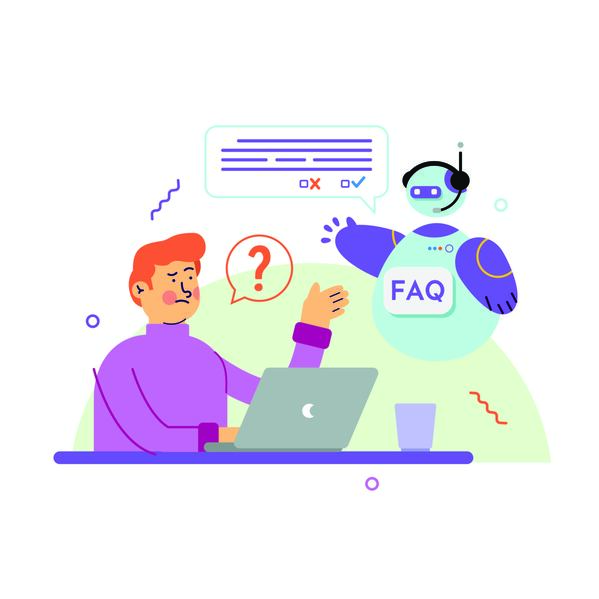
Robocall systems operate on automation. Essentially, a pre-recorded voice message is sent to a list of phone numbers, allowing companies to reach hundreds or even thousands of people at once without any manual involvement.
But don’t let simplicity fool you. Behind the scenes', advanced technologies are at play to ensure that the delivery is smooth, clear, and engaging.
One of the biggest strengths of modern robocall technology is personalization. Messages can be customized with the recipient’s name, past activity, or specific details relevant to them. This tailored approach increases listener engagement and improves response rates.
Moreover, thanks to real-time AI analysis, businesses can make data-driven decisions to target the right people at the right time. This results in higher message accuracy, better cost efficiency, and more meaningful interactions, all without additional manpower.
5 Benefits of Robocall for Boosting Business Efficiency
It's no surprise that businesses are constantly looking for ways to improve their efficiency and productivity. One promising solution is robocalls.
While often perceived as spam by many, when used correctly, robocalls can bring significant benefits to operations.
Here are some of the benefits businesses can gain by utilizing robocall technology:
1. Maximizing Resource Allocation
Gone are the days when scaling outreach meant hiring dozens of call center agents. With robocall, a single campaign can reach thousands or even millions of contacts in minutes, all without expanding your workforce.
This means your human resources can focus on high-value tasks like resolving complex customer issues, building relationships, or developing new strategies, while the robocall handles repetitive, time-consuming communications.
Whether you're notifying customers about policy updates or promoting seasonal offers, automation frees up your team and supercharges productivity.
2. Personalized Communication at Scale
Modern robocall solutions can personalize messages using CRM or customer data. This not only enhances the customer experience but also builds trust and loyalty by making interactions feel human, even when automated.
3. Significant Cost Reduction
Manual calling is expensive. You need infrastructure, trained agents, supervision, and ongoing training. Robocall slashes these costs dramatically.
No need for large call centers. No overtime pays. No downtime. Just reliable, round-the-clock outreach at a fraction of the cost.
For small and medium enterprises (SMEs), this is a game-changer. Even large corporations benefit from improved ROI on marketing and service campaigns.
4. Higher Response and Conversion Rates
When messages are timely, relevant, and personalized, recipients are more likely to engage. This means higher conversion rates and better performance from marketing efforts.
5. Flexibility and Scalability
Whether you need a wide-reaching campaign or targeted internal communication, robocall can scale effortlessly. The system adapts to business needs, big or small, making it highly flexible and future-proof.

Real-Life Business Use Cases of Robocall
Using robocalls in business isn't just a theoretical concept. Many companies have implemented this technology and seen significant results.
Here are some illustrative case studies that demonstrate how robocalls can help businesses improve their efficiency:
1. Retail Sector
A major retail chain in Indonesia deployed robocall to notify loyal customers about exclusive weekend discounts. By targeting users who hadn’t visited in 30 days and personalizing offers based on purchase history, they saw a 30% increase in store visits during the campaign period. Sales surged, and customer satisfaction improved due to perceived exclusivity.
2. Healthcare
A leading hospital network implemented robocall to remind patients of scheduled check-ups and vaccinations. Within three months, patient no-show rates dropped by 40%, freeing up valuable appointment slots and reducing lost revenue. Doctors reported higher patient compliance, and administrative staff experienced less stress managing follow-ups.
3. Airline Industry
By using robocalls, an airline notifies its passengers about flight schedule changes, delays, or cancellations. This increases customer satisfaction and reduces the workload of customer service staff.
4. Educational Institutions
Some universities use robocalls to inform students and parents/guardians about semester activities, schedule changes, or emergencies. This ensures that important information is delivered quickly and efficiently.

Robocall Implementation: Challenges and Solutions
In implementing technology, challenges and obstacles always arise alongside the benefits it offers. Robocalls, despite their significant potential for improving business efficiency, are no exception to this. What are the challenges and obstacles? And what are possible solutions?
Key Challenges
-
Privacy Concerns: Consumers are increasingly aware of how their data is used. Misuse of robocalls can lead to trust issues and negative brand perception.
-
Regulatory Compliance: Each country and sometimes each region has specific regulations on robocalls, especially for marketing. Ignoring these can lead to legal complications.
-
Customer Resistance: Not all customers are receptive to automated calls, even if they are personalized. Some may block or ignore them.
-
Quality Issues: Poor audio quality, dropped calls, or malfunctioning systems can harm your brand image. Invest in high-quality robocall platforms with proven reliability, robust security, and excellent support.
Solution
-
Know the Laws: Ensure your campaigns comply with local and international regulations. This prevents legal risks and promotes ethical communication.
-
Be Transparent: Inform recipients why they’re receiving a call and provide an opt-out option to respect their preferences.
-
Test Before Launch: Run test campaigns to evaluate voice clarity, message impact, and audience feedback.
-
Invest in Trusted Technology: Choose a reliable robocall provider that offers high-quality voice services and system stability.
In Indonesia, Telkomsel Enterprise offers CPaaS Robocall, a trusted solution that enables businesses to launch automated calls without relying on traditional customer service or contact center teams.

Conclusion
As digital transformation continues to evolve, robocall is becoming a powerful tool in shaping how businesses connect with their customers. From personalized marketing campaigns to operational reminders, its ability to deliver voice messages at scale with speed and efficiency is hard to beat.
However, success lies in responsible and strategic implementation. Businesses must approach robocall ethically, comply with regulations, and use data to personalize the customer experience.
Telkomsel Enterprise’s CPaaS Robocall is part of a broader digital solution tailored for businesses. It offers seamless integration with lead management systems (LMS), CRMs, and databases, ensuring your communication efforts are not just fast, but effective and targeted.
Additionally, the platform supports scalable SIP channel expansion, giving businesses the flexibility to grow as demand increases. With higher engagement rates than SMS and more personalized communication, robocall could be the competitive edge your business needs.
Ready to move ahead of the competition? Contact us today to discover how Robocall can elevate your business performance.