




Energy waste is one of the most common yet least recognized challenges in the industrial sector. In many cases, excessive energy consumption happens quietly in the background of daily operations, unnoticed until operational costs begin to rise sharply.
However, the impact of energy waste goes far beyond increasing electricity bills. Uncontrolled energy use significantly contributes to carbon emissions, environmental degradation, and long-term sustainability risks. If left unmanaged, energy waste can weaken business resilience and expose companies to future energy crises.
This is why improving energy management is no longer optional. Without proper monitoring, even the most efficient production systems can turn into sources of energy waste. With the support of modern technology and automated alert systems, industries now have a much greater opportunity to optimize energy usage and eliminate inefficiencies
But how effective are these strategies in real-world operations? Let’s explore the full picture.
What are the Impacts of Energy Waste?
Energy waste in industrial operations is not merely a technical inefficiency, it is a strategic business risk. Below are the most significant impacts of energy waste that businesses need to understand from an early stage.
1. Rising Operational Costs
Uncontrolled energy consumption directly increases production expenses. The more electricity and fuel are wasted, the higher the operational costs a company must absorb.
In the short term, these increases may be masked by high production volumes. However, over time, energy expenses become a fixed burden that is increasingly difficult to reduce. As a result, profit margins shrink, investment flexibility decreases, and businesses become more vulnerable to energy price fluctuations.
2. Increased Carbon Emissions and Environmental Damage
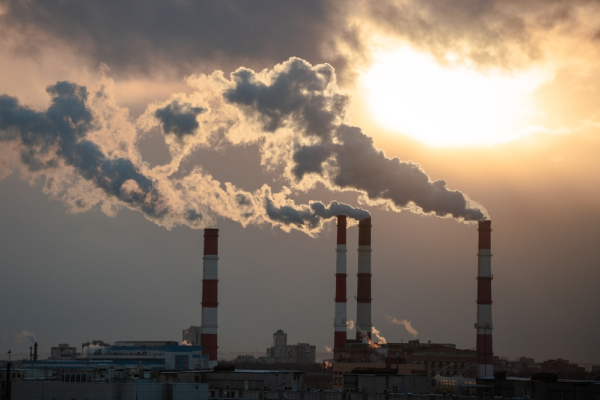
Most industrial electricity supply still relies heavily on fossil fuels. When energy consumption rises unnecessarily, carbon emissions increase alongside it. This accelerates greenhouse gas effects, worsens air pollution, and contributes to global temperature rise.
These environmental consequences are no longer abstract concerns, they directly affect regulatory compliance, corporate reputation, and long-term operational viability.
3. Higher Risk of Acid Rain
Large-scale fossil fuel combustion produces sulfur oxides (SOx) and nitrogen oxides (NOx), which are major contributors to acid rain. This phenomenon can damage ecosystems, contaminate water sources, and reduce agricultural productivity.
For many industries, this long-term environmental impact is often overlooked, even though it can indirectly affect supply chains and surrounding communities.
4. Strain on National Power Grids
Simultaneous spikes in industrial energy consumption, especially during peak production periods, can overload national power grids. This increases the risk of power outages, unstable supply, and sudden tariff adjustments.
Such instability makes production planning more difficult and increases operational uncertainty.
5. Long-Term Energy Crisis Risk
Excessive energy consumption gradually depletes available energy resources. When rising demand is not balanced with efficiency, the risk of an energy crisis becomes unavoidable.
This does not only result in limited supply but also higher energy prices and distribution instability. Companies without early energy management strategies are often the most affected, as their operational flexibility is limited. In contrast, energy-efficient industries tend to be far more resilient in the face of future uncertainty.
Why Energy Efficiency Is Important for Industrial Businesses?
High energy consumption is unavoidable in industrial production, but how energy is managed determines long-term business success. Here are the key reasons why energy efficiency must be a priority.
1. Better Control Over Production Costs
Energy is one of the largest cost components in industrial operations. Excessive usage directly increases production expenses and reduces profitability. By implementing energy-saving strategies, companies can lower routine costs without sacrificing output quality or production capacity.
2. Stronger Business Stability Amid Energy Price Fluctuations
Global energy prices are highly volatile. Businesses that waste energy are far more exposed to sudden price increases. Efficient energy systems reduce dependence on expensive energy sources and help stabilize operational costs.
3. Reduced Environmental Impact
High energy consumption usually means higher greenhouse gas emissions. By reducing energy waste, industries can actively lower their carbon footprint and contribute to climate change mitigation efforts.
4. Better Prepared for Sustainability Regulations
Governments and international standards are increasingly pushing toward sustainable industrial practices, including Net Zero Emission targets. Industries that adopt energy efficiency early find it easier to comply with regulations while building a responsible and forward-thinking brand image.
What Are the Causes of Energy Waste During Production?
Energy consumption often increases alongside production activity. While this may seem normal, deeper analysis reveals several operational factors that contribute to unnecessary energy usage.
Understanding what are the causes of energy waste is essential to preventing it.
1. Increased Machine Operating Intensity
When market demand rises, production machines are operated longer and at higher capacities. Motors, compressors, and supporting systems require significantly more power under heavy workloads, driving up energy consumption.
2. Additional Load on Cooling and Lighting Systems
Many industries rely on stable temperature control to maintain product quality. As production volume increases, cooling systems must operate harder and longer. Extended working hours and additional shifts also increase lighting requirements, further raising energy usage.
3. Extended Operating Hours and Extra Shifts
To meet production targets, companies often add overtime or additional shifts. This causes machines and electrical systems to operate almost continuously, consuming more energy, especially when efficiency controls are not in place.
4. Lack of Energy Monitoring and Management
In urgent production situations, energy efficiency is often overlooked. Machines are run without optimization, workflows are not adjusted, and energy consumption is not monitored in real time. This combination leads to excessive energy use without management realizing it.
6 Ways to Reduce Energy Waste in Manufacturing Industry
Energy waste often stems from small, repeated habits, machines running inefficiently, energy usage without visibility, and decisions made without accurate data.
Below are six effective strategies to reduce energy waste in manufacturing operations.
1. Identify Inefficient Energy Consumption Points
Start by identifying machines or equipment that consume large amounts of energy without delivering proportional output. Regular performance evaluations help detect declining efficiency and determine whether repairs, adjustments, or upgrades are needed.
2. Implement Consistent Maintenance Programs
Poorly maintained equipment consumes more energy. Planned maintenance schedules ensure machines operate under optimal conditions. Routine checks on HVAC systems, compressors, and lighting help prevent hidden energy losses.
3. Build Energy Awareness Among Employees
Energy-saving efforts will fail without employee involvement. Operators and staff must understand the impact of inefficient energy use and their role in preventing it. Awareness programs encourage more responsible machine operation and facility usage.
4. Manage Energy Loads During Peak Hours
Energy consumption usually spikes during peak production times. By monitoring peak usage, companies can reschedule high-power machines, so they do not operate simultaneously, reducing costs and easing electrical system strain.
5. Monitor Energy Usage in Real Time
Real-time monitoring is one of the most powerful tools to prevent energy waste. Digital energy monitoring systems collect and analyze consumption data across production points, enabling quick responses to unusual spikes before they become costly issues.
6. Conduct Regular Energy Audits and Planning
Audit energi membantu perusahaan memahami pola penggunaan energi secara menyeluruh, termasuk area yang paling boros dan potensi penghematannya. Dari hasil audit, perusahaan dapat menyusun strategi pengelolaan energi yang lebih tepat, mulai dari penjadwalan mesin, penggantian peralatan, hingga investasi pada teknologi yang lebih efisien.
Reducing Energy Waste with IoT-Based Energy Management
Energy waste in industry often begins with simple oversights, machines running longer than needed or cooling systems operating without monitoring. These energy waste examples, when repeated daily, significantly increase operational costs, carbon emissions, and business risk. This is where intelligent, data-driven energy management becomes essential.
By monitoring energy usage in real time, companies gain visibility into consumption patterns and can detect inefficiencies early. This allows for faster decision-making and prevents small issues from turning into major losses.
The benefits are tangible, such as lower operational costs, reduced carbon emissions, improved competitiveness, and direct contribution toward Net Zero Emission goals.
To achieve this, businesses can leverage IoT Envion by Telkomsel Enterprise. This solution enables real-time energy monitoring through an integrated dashboard equipped with remote supervision and automated alert features. With better visibility and data-driven insights, businesses can make smarter decisions, based on facts, not assumptions.
For more information on how can we reduce energy waste with IoT Envion, consult with Telkomsel Enterprise and discover how intelligent energy management can transform your industrial operations.