





When purchasing a product, customers generally have the same expectation, they want to receive a product that is worth the price they pay. But what happens if they end up with a defective product?
Customers will undoubtedly be disappointed, and the company’s reputation could be at stake. This is a potential risk business faces when they neglect quality control.
Without proper quality control, a manufacturing business is essentially walking a tightrope without a safety net. In today’s highly competitive market, with rising customer expectations, quality is no longer just an added benefit, it's a crucial requirement for survival. But what exactly is quality control, and why does it matter so much?
What is Quality Control?
You’ve likely heard the term quality control (QC), especially in manufacturing, but what does it really mean?
In simple terms, quality control refers to the process of inspecting products during production to ensure that each item meets predefined quality standards. The primary goal is to ensure that every product produced is up to the mark.
In practice, quality control isn't just about checking the final product. It involves monitoring every stage of production, from testing and inspections to ensuring that no errors slip through the cracks. If a product doesn’t meet the standards, it won’t be sold right away. Typically, it will be corrected or fixed to ensure it is safe and functional for consumers.
There are two main ways to implement quality control, that is manual and modern methods. The manual approach usually involves a team dedicated to overseeing and ensuring that production follows set standards. On the other hand, modern quality control methods leverage advanced tools and technology to make the process faster and more efficient.
Quality Control vs. Quality Assurance: Understanding the Difference
To maintain product quality from production to customer delivery, two key processes are crucial: quality control and quality assurance (QA). At first glance, these terms might seem similar, but there are significant differences between them.
1. What is the difference between QC vs QA?
Quality Assurance (QA) is the "process guardian." Its main task is to ensure that all stages of production adhere to standards, preventing errors from occurring in the first place. QA focuses on systems, procedures, and SOPs before the product is even made.
On the other hand, quality control (QC) acts as the "final checkpoint." Its role is to examine finished products to ensure they meet quality standards or are free from defects. If any issues arise, products are corrected before reaching consumers.
2. Key Focus Areas
QA focuses on the process of production. This means ensuring that every step, from raw material usage to work procedures, aligns with set quality standards.
Meanwhile, QC focuses on the finished product, inspecting whether it meets the quality standards and requirements.
3. How They Work
QA is proactive. It focuses on preventing problems before they occur by setting standards, creating procedures, and ensuring compliance at every step of the production process.
Then, QC is reactive. It inspects the final product and identifies defects or issues to resolve before distribution.
4. Examples of Activities
Quality Assurance activities include quality audits to assess if production processes follow prescribed standards, checking procedures to ensure correct execution, and documenting every step for future review.
And Quality Control (QC) activities directly involve examining finished products. Examples include inspecting individual items for defects, conducting performance tests, and sorting out defective products to prevent them from reaching customers.
5. End Goal
The goal of QA is to maintain consistent quality through standardized systems and processes. QA ensures that every step in the production process is carried out correctly, minimizing errors from the start.
On the other hand, the aim of QC is to ensure that only high-quality products make it to market. QC serves as the last line of defense, guaranteeing that defective or substandard products are not distributed to customers.
Why Quality Control is Essential for Your Business
As a manufacturer or business owner, your goal is to deliver products that meet customer expectations. This is where quality control plays a vital role in turning your aspirations into reality. Here are three key reasons why quality control is so influential in determining the quality of products produced by your company:
1. Setting Clear Quality Standards
Quality control helps set clear product standards that align with business goals. With these standards in place, everyone involved in production has a shared understanding of the expected quality level. Without clear standards, production can become inconsistent, resulting in variations in product quality.
2. Monitoring and Verifying Product Quality
Quality control acts as a vigilant overseer throughout the production line. By catching defects early, it prevents faulty products from reaching consumers. This not only protects your brand’s reputation but also avoids costly recalls or legal liabilities.
3. Ensuring Consistent Product Standards
Every product that leaves your facility undergoes rigorous inspections to confirm it meets the required standards. Defective items are either repaired or discarded, ensuring that only top-tier products make it to market.
4. Improving Production Efficiency
When applied consistently, quality control is key to achieving a more efficient production process. By overseeing quality at every step, potential errors are caught early, reducing the need for revisions and minimizing waste. This not only saves time and resources but also boosts overall productivity.
5. Enhancing Customer Satisfaction
Quality control impacts the customer experience directly. When products are thoroughly tested and proven to meet quality standards before being released to the market, customers are more likely to be satisfied with their purchase. Consistent quality builds trust, and trust leads to brand loyalty.
The Quality Control Process
Quality control isn’t just about inspecting products, but it’s a systematic approach that ensures consistency, efficiency, and customer satisfaction. One of the most widely used frameworks for implementing quality control is the PDCA cycle (Plan, Do, Check, Act).
Introduced by Edward Deming, this method remains a cornerstone of quality management in modern manufacturing. Let’s break down each step to understand how it works.
1. Plan
The first step in quality control is planning. This stage involves defining quality standards, work procedures, and targets to be achieved. Careful planning ensures that production aligns with the desired outcome.
2. Do
Once planning is complete, it's time to execute. During this stage, the planned procedures are implemented, often on a small scale initially, to minimize risks. Tasks are assigned according to team members’ expertise to ensure a smooth process.
3. Check
After implementation, the next step is checking. Here, the production process is reviewed to ensure it aligns with the established standards. Any discrepancies are identified and corrective actions are taken.
4. Act
Finally, a review of the outcomes is conducted. If adjustments are necessary, they are made to prevent recurring issues, ensuring continuous improvement in the production process. By repeating the PDCA cycle, businesses can maintain a culture of ongoing improvement and excellence.
Enhancing Quality Control with Smart Technology
While traditional quality control methods have proven effective, advancements in technology are taking these processes to the next level. Imagine automating defect detection, reducing human error, and achieving faster, more accurate results, all while cutting costs. That’s exactly what IoT Smart Manufacturing from Telkomsel Enterprise offers.
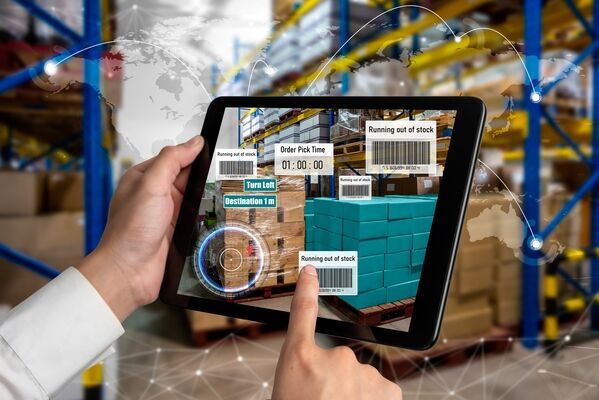
With computer vision technology, IoT Smart Manufacturing automatically detects product defects, ensuring that only the highest-quality items make it to consumers. Say goodbye to manual inspections that are prone to errors.
Here’s how this innovative solution can elevate your business:
-
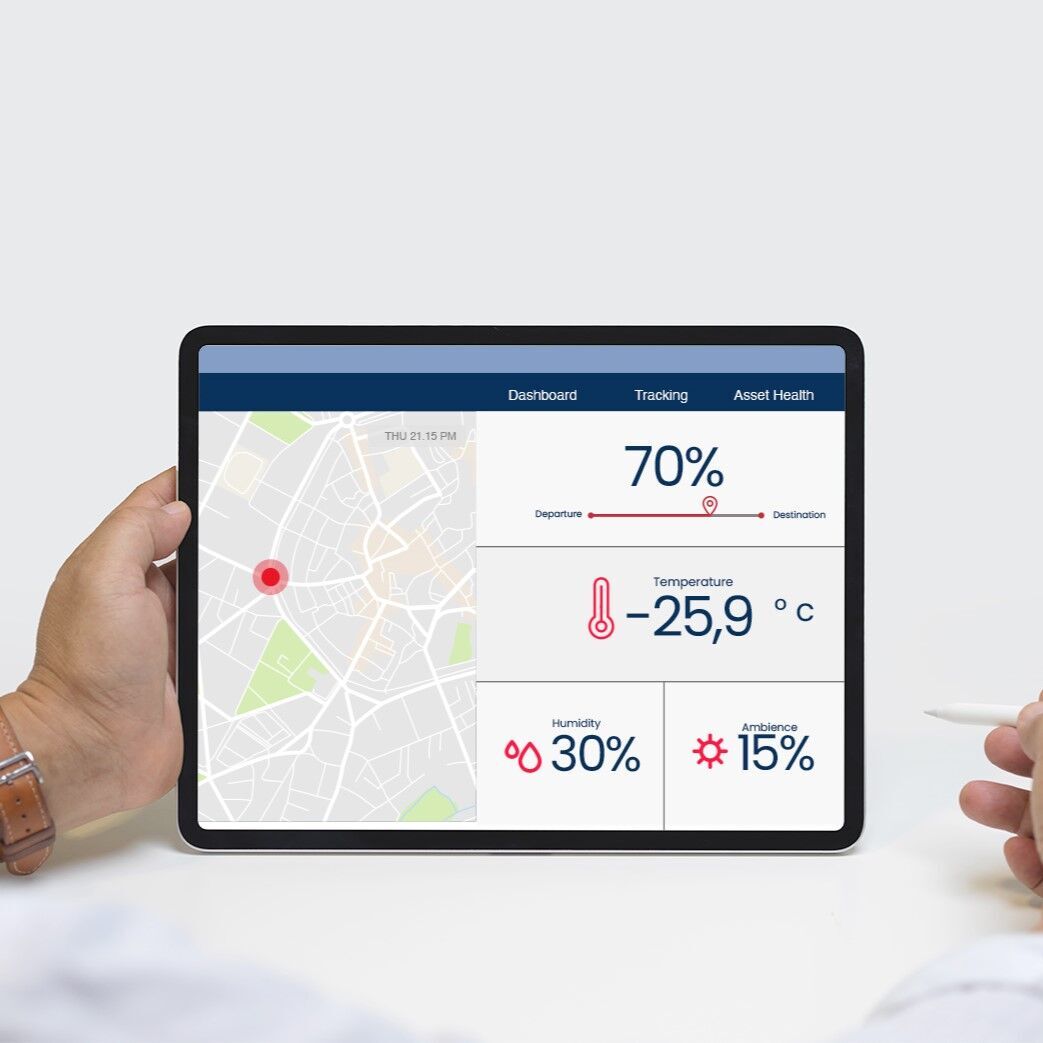
Real-Time Monitoring: Track machine performance and production processes in real-time, boosting uptime by up to 80% and improving machine efficiency by 85%.
-
Increased Productivity: Optimize machine usage to increase production volume and quality by up to 20%.
-
Reduced Downtime: Minimize equipment breakdowns by 30% and cut repair times by 10%, ensuring smoother operations.
-
Efficient Resource Management: Reduce material waste by up to 30%, lowering production costs significantly. Additionally, proactive issue resolution helps avoid unnecessary overtime expenses.
By adopting IoT Smart Manufacturing, you can streamline quality control, making it faster, smarter, and more cost-effective than ever before. Ready to take your manufacturing business to the next level? Partner with Telkomsel Enterprise today and experience the power of smart, data-driven quality control.
For more information, contact us today.