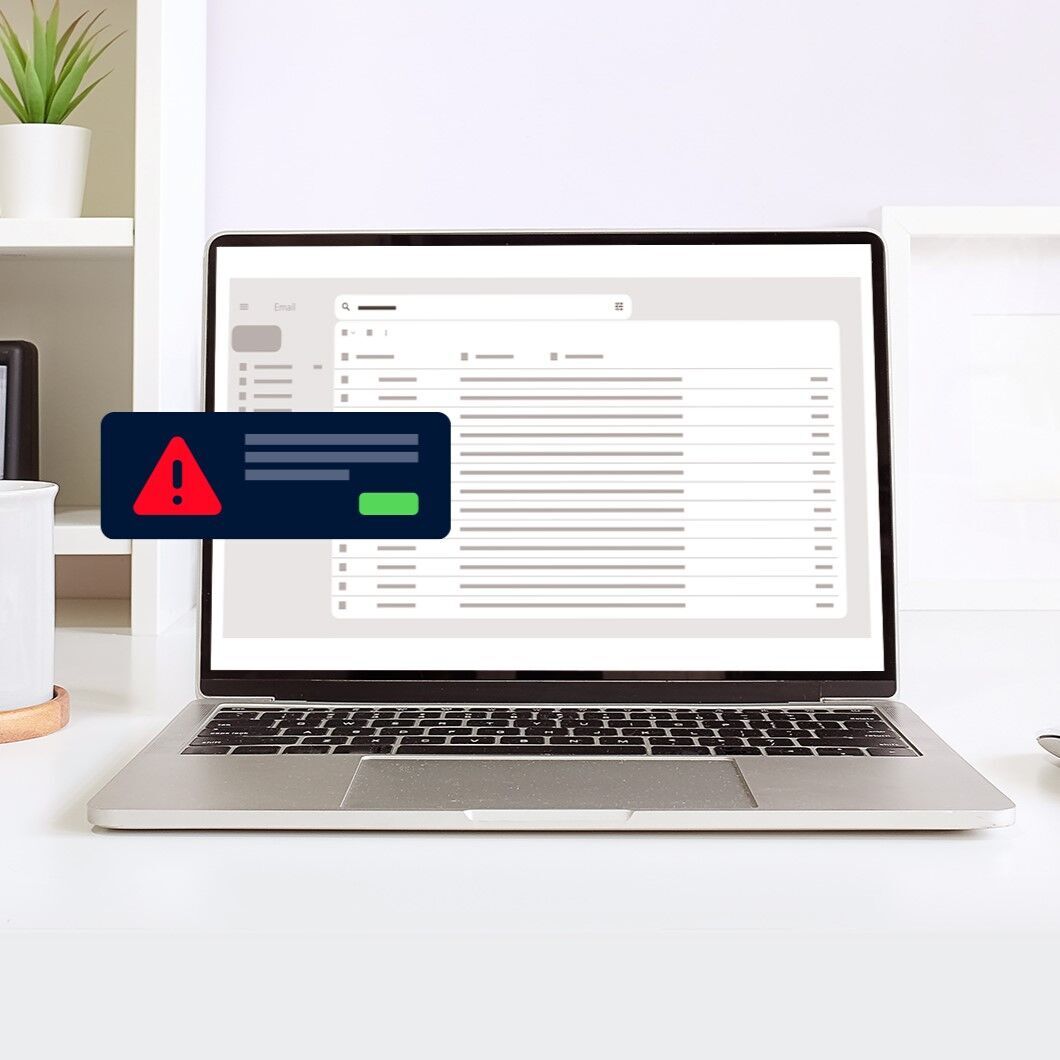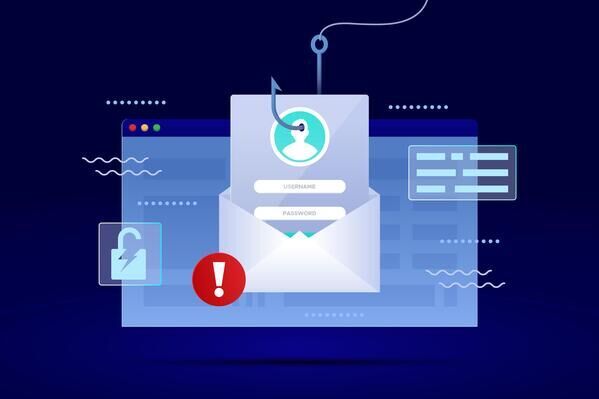






A QRIS scam can happen in ways that may look convincing at first glance. A payment screenshot may show the merchant’s name, the correct amount, and even appear to be a valid transaction. But what if the money that should have reached the business never actually arrived? This is a challenge that businesses need to be aware of, especially when handling many transactions every day.
To minimize the risk, businesses need to make sure every payment is properly verified instead of relying only on payment proof shown by customers. Technology can also help businesses strengthen transaction security and avoid various types of QRIS fraud.
QRIS Scam in Business
QRIS has made the payment process much simpler. Customers only need to scan one QR code to make payments through various payment applications that support QRIS. For businesses, this payment method can also reduce reliance on cash and make transaction records more practical to manage.
However, this convenience can also create opportunities for irresponsible parties to take advantage of the payment process.
A QRIS scam is an act that takes advantage of the QRIS payment system or payment process to gain money illegally. The targets are not only customers but also merchants, including small and medium-sized businesses, retail stores, restaurants, and businesses with cashiers handling a high volume of transactions.
The problem is that fraud does not necessarily happen because there is something wrong with the QRIS system itself. In many cases, the real issue lies in the payment verification process, especially when a transaction is not properly checked before goods or services are handed over.
What Are Common QRIS Fraud Methods?
QRIS fraud can be surprisingly convincing. A transaction may look completely normal from the outside, which makes it difficult to identify without proper verification.
Here are some common QRIS scam methods that businesses should watch out for.
1. Replacing the Original QRIS Sticker with a Fake QR Code
This is one of the more difficult QRIS fraud methods to notice, especially if merchants do not regularly check the QRIS displayed at their stores. Scammers place their own QR code over the merchant’s original QRIS. Since the replacement may not look suspicious at first, customers may think they are paying the store as usual, when the money is actually sent to another account.
2. Using a Fake Payment Screenshot
Although this method is relatively simple, it can still be effective, especially when a store is busy. A customer may show a screenshot that appears to confirm a successful payment. However, the actual transaction may have failed, may still be incomplete, or may never have been made in the first place.
3. Pretending to Make a Payment
Not every scammer uses fake payment proof. Some may simply pretend to complete a transaction.
For example, the person may open their phone camera or a particular page and act as though they have scanned the QR code. When the store is crowded, the cashier may assume the payment has been completed without checking the transaction again.
4. Entering the Wrong Payment Amount
In some cases, a customer may enter an amount that is lower than the actual purchase total. For example, the total bill is Rp250,000, but the payment received is only Rp25,000.
A difference of one zero may seem minor. However, if this happens repeatedly, the financial impact can quickly add up.
5. Manipulating Payment Confirmation
Scammers may also take advantage of situations where the payment system is experiencing a delay. They may claim that they have already made the payment and say that the notification has not appeared because of a network issue.
An explanation like this may sound reasonable. The problem is that the cashier cannot immediately tell whether the payment is actually being processed or was never made at all. That is why, if the payment notification has not been received, it is best not to assume that the transaction was successful.
What Are the Impacts of QRIS Fraud on Businesses?
The impact of QRIS fraud goes beyond simply losing money. Several other problems may arise, including:
-
Direct financial losses: Goods or services have already been provided, but the payment was never actually received.
-
Operational disruptions: Cashiers need to check and trace transactions that should normally be completed within seconds.
-
Customer disputes: When payment records are unclear, both the merchant and customer may believe that they have completed the transaction correctly.
-
Damage to business reputation: Repeated transaction problems can make customers question the professionalism and reliability of a business.
-
Additional employee workload: Staff may need to carry out manual checks, especially during busy periods when transaction volumes are high.
How to Prevent QRIS Fraud When Making Payments
So, how to prevent QRIS scams without making the payment process complicated? You can apply several simple steps to improve transaction security.
1. Don’t Rely Only on Screenshots
A screenshot is not final proof that the merchant has received the payment. Always check the transaction through your business’s payment app or payment receiving system to make sure the funds have actually been received.
2. Verify Payments in Real Time
Every transaction should be confirmed immediately based on the payment notification or transaction status received by the merchant. This way, cashiers do not have to rely on the information displayed on the customer’s phone.
3. Check That the Payment Amount Is Correct
Don’t just check whether the transaction shows a successful status. Make sure the amount received also matches the total purchase amount.
4. Check Your QRIS Regularly
Make sure the QRIS sticker or display has not been changed, covered by another sticker, or altered in any way that may indicate tampering. Place the QRIS in an area that is easy for employees to monitor and not easily accessible to unauthorized people.
5. Train Cashiers and Employees
Security procedures will not be very effective if only the business owner knows about them. Everyone involved in receiving payments should understand the proper verification process and know that goods should only be handed over after the payment has been successfully verified.
6. Use a Payment Notification System
As transaction volumes increase, checking payments manually can become less practical. Consider using a system with payment notification features to help cashiers quickly identify transactions that have actually been completed.
Real-Time Verification with Telkomsel Enterprise Soundbox
For businesses that need a faster and more secure payment process, Soundbox from Telkomsel Enterprise can help verify QRIS payments in real time through a voice notification whenever a transaction is successfully completed.
With instant payment confirmation, merchants can make sure that funds have actually been received without constantly relying on screenshots provided by customers.
The feature also provides an additional layer of verification that can help reduce the risk of transaction errors and disputes. As a result, the payment process can become safer and more efficient for both businesses and their customers.
Rely on Soundbox to support safer and more detailed business transactions. Consult Telkomsel Enterprise to learn more about Soundbox and find a solution that fits your business needs.
FAQ
Is QRIS Safe to Use for Transactions?
Yes, QRIS is safe to use as long as transactions are made through official payment apps, and the payment details are properly verified. Risks usually arise when users or merchants do not check important payment details, such as the recipient’s name, transaction amount, and payment status.
How Can You Tell If a QRIS Is Fake?
Check the merchant's name that appears after scanning the QRIS. If the name does not match the business you intend to pay, do not continue with the payment.
Merchants should also check their QRIS regularly to make sure no other sticker or QR code has been placed over the original QRIS. If you notice any changes or anything suspicious, stop the transaction and check the QRIS before continuing.
What Should You Check Before Paying with QRIS?
Before pressing the payment button, make sure the merchant's name and transaction amount are correct. After making the payment, check the transaction status again to confirm that it was successful
Avoid making payments through suspicious QR codes or QR codes from unclear or untrusted sources.
Can an Incorrect QRIS Transaction Be Canceled?
A completed QRIS transaction generally cannot be canceled unilaterally by the user. If you make a payment to the wrong merchant or the funds are sent to the wrong recipient, contact the payment service provider or bank used for the transaction as soon as possible and follow the applicable complaint procedure.