




By leveraging a Point of Sales (POS) system, businesses in Indonesia can unlock a more seamless and optimized shopping experience for their customers.
During high-traffic periods like Ramadan and Eid al-Fitr, businesses across Indonesia brace themselves for a surge in customer activity, especially in the retail and food service sectors, where speed, accuracy, and convenience in transactions are non-negotiable. This is where the role of a modern POS system becomes not just important, but essential.
A well-integrated Point of Sales system streamlines every transaction, significantly reducing human error and capturing real-time data that empowers business owners to make sharper, data-driven decisions. During peak seasons, the benefits of having an accurate and efficient POS solution are magnified, helping businesses handle increased volumes with ease and precision.
According to a report by ReportLinker, the global POS market is projected to exceed $20.5 billion by 2027. In Indonesia, this growth is fueled by rising demand for contactless payments and e-commerce integrations. Whether you're running a small cafe or managing a chain of convenience stores, adopting a robust point of sales solution can be the key to staying competitive and scaling your business effectively.
So, what happens if your business hasn’t yet adopted a POS system? This article will unpack what is Point of Sales, and why investing in one could be the smartest move you make this year.
What is Point of Sales (POS)?
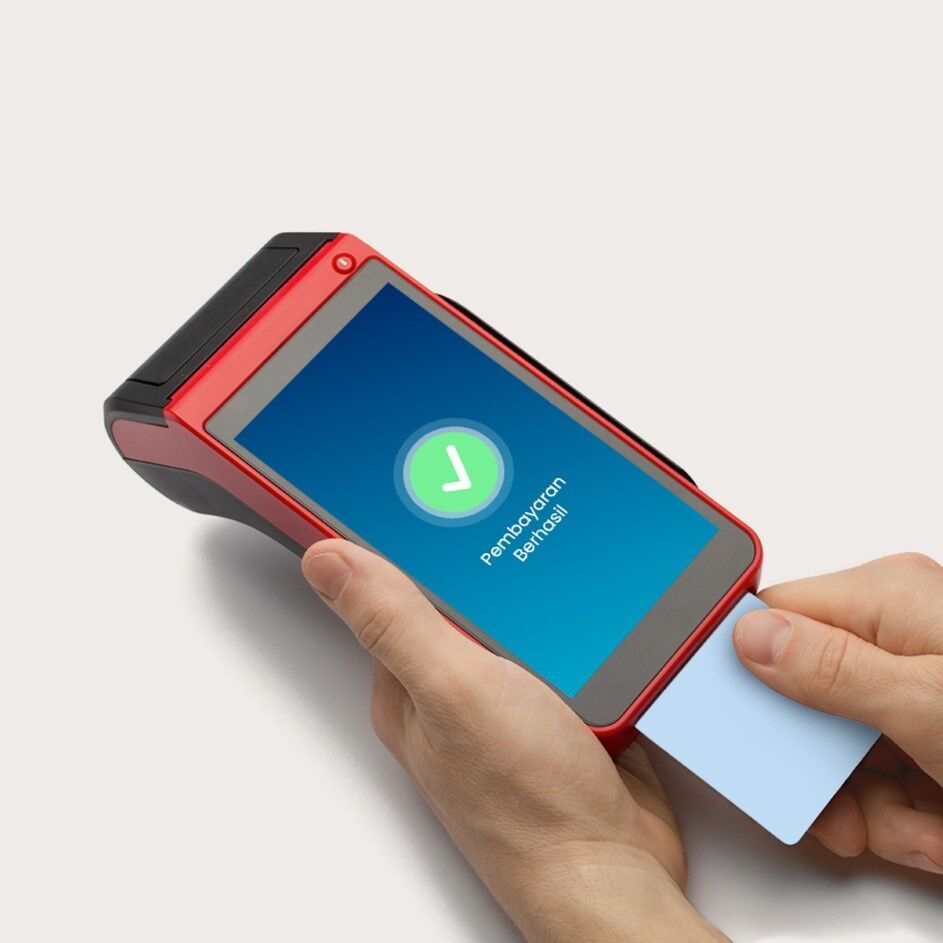
The Point of Sales (POS) is more than just a place where customers pay for their purchases, it’s an all-in-one system that combines hardware and software to process sales, manage inventory, handle payments, and generate analytics to enhance strategic decision-making.
A modern POS system goes far beyond a traditional cash register. It provides businesses with the tools to operate more efficiently, streamline checkout processes, and create a smoother customer experience. With enhanced transaction speed and accuracy, a solid POS system supports higher sales volumes while simultaneously building customer trust and loyalty.
Key Benefits of a Point of Sales System
Adopting a POS system can revolutionize operations across several business layers, from day-to-day efficiency to long-term customer engagement. Here are three major benefits to consider:
1. Boost Operational Efficiency
One of the most compelling advantages of a Point of Sales system is its ability to drastically improve operational flow. With features such as barcode scanning and automated calculations, checkout times are significantly shortened, minimizing customer wait times and easing the workload on cashiers.
POS systems also offer structured and automated inventory management. Features like automatic restocking alerts help ensure product availability while reducing overstock issues. When stock levels are monitored and managed efficiently, business owners avoid lost sales and excess holding costs.
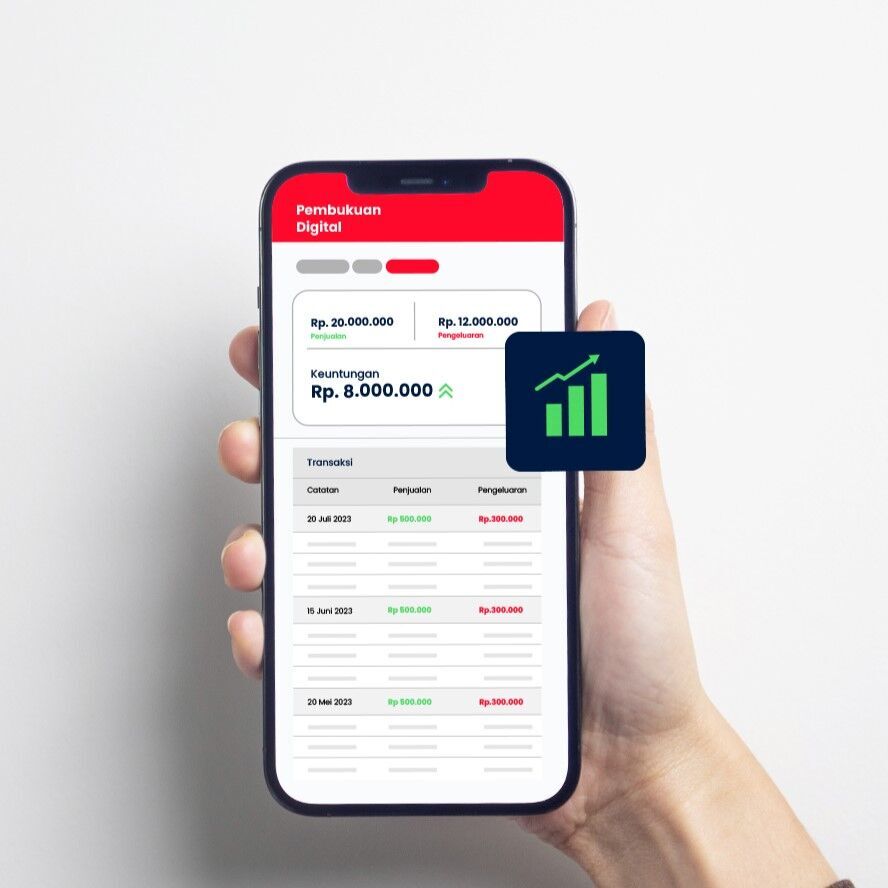
With real-time sales data at their fingertips, decision-makers can quickly spot trends, adjust pricing, and optimize promotions, making for faster and smarter business strategies.

2. Improve Transaction Accuracy
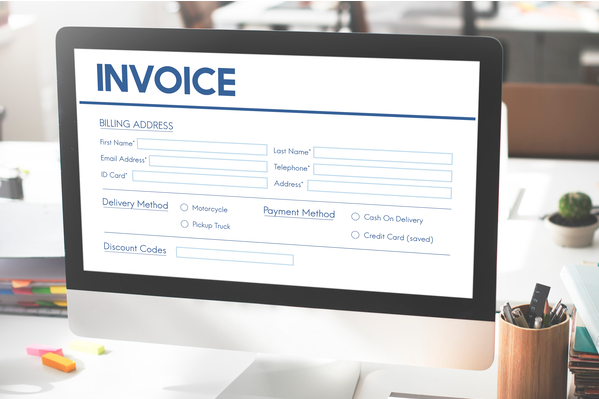
Manual entry errors can cost businesses time and money. A POS system eliminates these issues by automating calculations and invoice generation. From tax calculations to discount applications, everything is handled digitally and accurately.
Beyond financial accuracy, inventory tracking becomes more precise with integrated POS solutions. Businesses gain full visibility into their stock levels, reducing shrinkage and preventing costly discrepancies.
With fewer human errors and greater transparency, companies can maintain tighter control over their finances and supply chain, leading to better profitability and smoother operations.
3. Elevate Customer Experience
Modern consumers expect speed, convenience, and personalization, and a point of sales system delivers on all fronts. By capturing and analyzing customer data, POS systems allow businesses to create personalized marketing campaigns, targeted offers, and loyalty programs tailored to individual preferences.
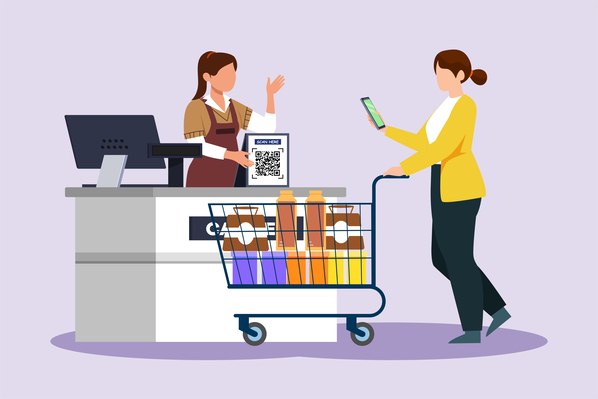
Furthermore, flexible payment options, from QRIS codes to credit card swipes, ensure a smooth and secure checkout process. This not only improves customer satisfaction but also increases the likelihood of repeat visits and higher average transaction values.
In short, a POS system isn’t just about processing sales, but it’s about creating memorable shopping experiences that turn first-time buyers into loyal customers.
How to Choose the Right POS System for Your Business?
Selecting the ideal POS system means aligning features and functionality with your business’s unique needs. Here are a few essential aspects to consider:
1. Understand the Types of POS Systems
When choosing a Point of Sales system, understanding the different types available is an important first step. There are several types of POS systems in common use, including:
-
Cloud-Based POS: Offers remote access and easy integration with other tools. Ideal for growing businesses that need mobility and flexibility.
-
On-Premises POS: Installed locally and stored in-house, giving businesses full control over data. Suitable for those prioritizing data security and offline access.
-
Mobile POS: Run via smartphones or tablets, perfect for dynamic environments like pop-up shops, food trucks, or small retail setups.

2. Key Features
When choosing a POS system, there are several key features to consider, including:
-
Industry-Specific Functionality: Some systems are designed specifically for restaurants, salons, or retail stores, offering specialized tools that align with daily operations.
-
Inventory Management: Real-time tracking, low-stock alerts, and automatic reorder capabilities keep your shelves stocked efficiently.
-
CRM Integration: Use built-in customer relationship management tools to analyze customer behavior, enhance service, and improve marketing efforts.
-
Payment Processing Options: Ensure the system supports a variety of payment methods, from QR codes to EMV chips.
-
Analytics & Reporting: Data-driven insights help track performance, identify top-selling items, and drive strategic planning.
-
Budget & Scalability: Choose a system that fits your current budget but also allows for growth and expansion.
How to Implement a POS System Successfully
Adopting a new POS system involves more than just installing software, but it requires strategic planning and execution. Here’s how to do it right:
1. Set Up Hardware & Software
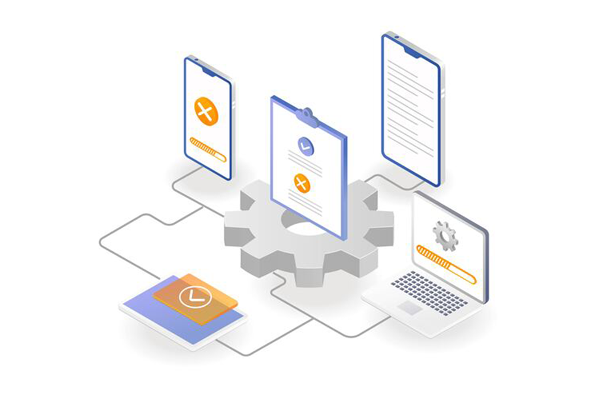
Install essential hardware components such as receipt printers, barcode scanners, and POS terminals. Then configure the software to match your business structure, including product listings, pricing, and user roles.
Ensure compatibility between hardware and software to avoid technical glitches during operations.
2. Data Migration
Transfer critical data from your old system, including customer databases, inventory records, and past transactions, into the new POS platform. Clean up outdated entries and verify data integrity before going live.
Proper migration ensures continuity and prevents disruptions in daily operations.
3. Train Your Staff
Your team must be comfortable using the new system. Provide comprehensive training sessions covering transaction processing, inventory updates, returns, and reporting functions.
Offer ongoing support and troubleshooting assistance to ease the transition period and build confidence among staff.
4. Maintain and Update Regularly
Like any tech investment, a POS system needs regular maintenance. This includes software updates to fix bugs or add new features, and hardware upkeep to ensure everything runs smoothly.
A well-maintained POS system ensures long-term reliability and adaptability to evolving business needs.
Conclusion
Integrating a Point of Sales system isn’t just a technical upgrade, but it’s a strategic business move. From delivering faster service to boosting financial accuracy and elevating the customer journey, a POS system adds measurable value.
By understanding what is Point of Sales and how to choose and implement it effectively, businesses in Indonesia can thrive in competitive and high-demand environments. A reliable POS solution becomes more than just a transaction tool, but it becomes a cornerstone of operational success.
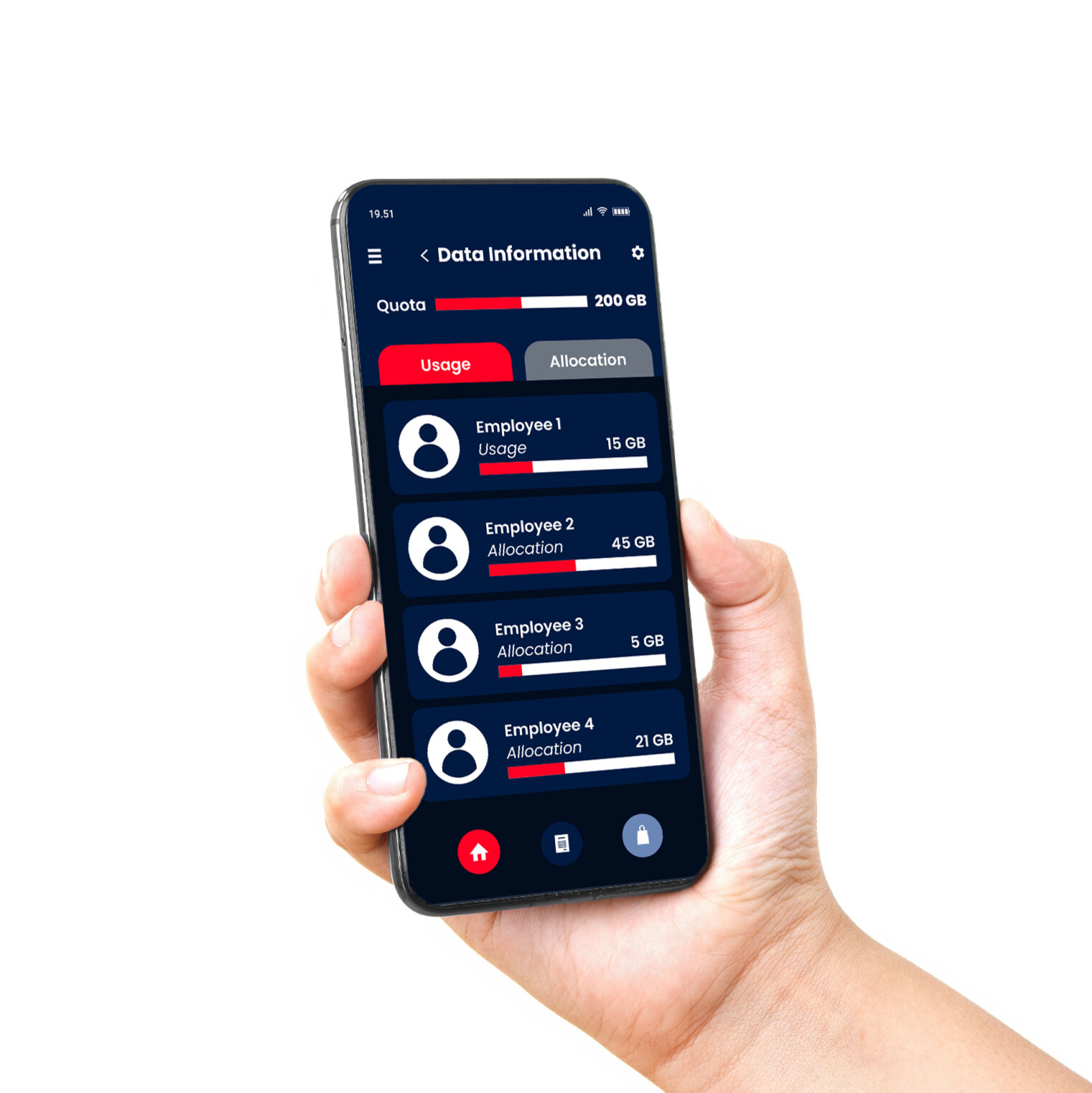
Are you ready to elevate your business operations? For businesses seeking advanced POS technology, Telkomsel Enterprise offers IoT Managed EDC, a customizable solution designed to optimize your payment infrastructure. This service integrates EDC and ATM devices to ensure smooth transactions while saving 20%-25% on data usage.
Track transactions in real-time, monitor device performance, and enjoy flexible payment options with monthly or annual billing. Whether you’re aiming to improve customer experience or enhance transaction efficiency, IoT Managed EDC is a powerful ally in your business growth.
Contact us today to learn more about how our innovative solution can elevate your transaction systems and bring lasting value to your operations.