




Technology makes transactions much easier and faster. However, without realizing it, small habits like forgetting payment monitoring can trigger new problems.
One or two missed payments might seem trivial. However, this condition can negatively affect business cash flow and even open the door to transaction recording errors. Therefore, payment monitoring is crucial, especially for businesses with high daily transaction volumes.
Moreover, digital payments like QRIS are increasingly used by customers today. Merchants must ensure every transaction is tracked in real-time to keep daily operations running smoothly.
The Importance of Payment Monitoring
Revenue may come from sales, but keeping track of incoming transactions is equally important. Without a proper payment monitoring system, businesses can quickly lose visibility over their cash flow and financial performance.
Here are several reasons why payment monitoring is essential for merchants.
1. Ensures Every Transaction Is Recorded
Without proper monitoring, there is a chance transactions get missed or unrecorded, especially during peak hours. At times like these, a payment monitoring system plays a vital role in ensuring all transactions are clearly received and recorded automatically.
2. Reduces Human Error
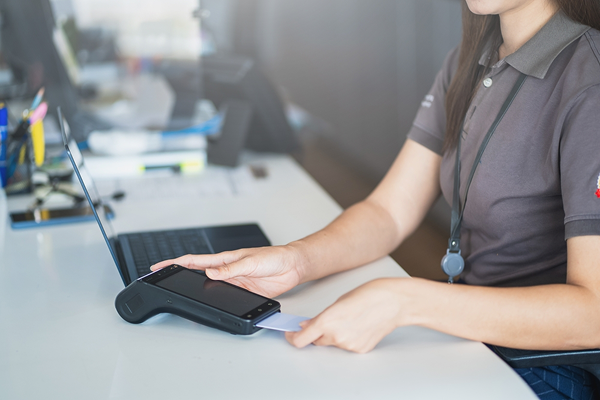
Manual transaction verification can easily lead to mistakes, particularly when cashiers are handling long customer queues while checking payments one by one.
Automated payment monitoring simplifies transaction verification and minimizes the risk of human error. This allows staff to focus on serving customers instead of spending time manually confirming payments.
3. Prevents Potential Fraud
It must be admitted that digital fraud risks will always exist, whether in the form of fake transfer receipts or transactions that have not actually succeeded but are considered paid. All of these can clearly harm business.
However, with real-time notifications from a payment monitoring system, merchants can immediately receive confirmation when a transaction is truly successful.
Key Components in a Payment Monitoring System
To make payment monitoring truly effective, businesses need a system capable of tracking, analyzing, and identifying potential issues before they become larger problems. Here are some key components to consider:
1. Real-Time Transaction Monitoring
The most critical component in a payment monitoring system is the ability to track transactions directly or in real-time. With real-time monitoring, you can instantly know whether a payment is successful, pending, or failed right at that moment.
This is also closely related to the connectivity of the payment devices used. A system with stable connectivity will help merchants receive transaction notifications quickly without needing to check the payment app repeatedly.
2. Transaction Data Analysis
A good monitoring system should also help businesses read customer payment patterns. Through data analysis, you can see daily transaction trends, the busiest payment hours, and the most frequently used payment methods by your customers.
Besides aiding business decision-making, this data analysis is also crucial for detecting unusual transaction patterns. For example, a sudden spike in transactions within a short time or repeatedly failed payments could indicate system glitches or potential fraud.
3. Automated Alerts and Notifications
Another equally important component is a rule-based alert or automated notification system based on specific conditions. Simply put, the system will provide a warning when an unusual transaction occurs, such as transactions with very large amounts, repeated payments in a short time, repeatedly failed transactions, or payment activities outside normal business patterns.
Benefits of Payment Monitoring
Payment monitoring benefits are not only felt after a business becomes busy. In fact, the advantages of this system will be felt much more if implemented from the very beginning of business operations.
1. Makes Operations More Efficient
With a good monitoring system, cashiers do not need to constantly check the payment app to ensure a transaction is successful. All transactions can be tracked automatically through real-time notification systems, making service faster and helping to avoid long customer queues.
2. Supports Better Business Decisions
Well-recorded transaction data helps businesses understand sales patterns and customers' favorite payment methods. So, when you need to make business decisions, it is not done merely based on guesses. You can do it based on accountable, data-driven insights.
3. Builds Customer Trust
Customers tend to feel more comfortable when the payment process is fast and clear. Furthermore, real-time payment confirmation also provides more professional transaction experience for customers.
Effective Strategies in Merchant Payment Monitoring
Simply having a payment monitoring system is not enough. Businesses also need a structured strategy to ensure payment activities remain secure, organized, and efficient.
1. Use an Automated Payment Monitoring System
One of the most effective answers to the question of how to monitor payments efficiently is through automation.
An automated monitoring system helps businesses track transactions in real-time without needing to check repeatedly. Besides speeding up operations, this kind of automation also helps reduce the risk of human error, verification delays, and missed transactions. Automated systems can even instantly detect suspicious activities or transactions that do not match normal business patterns.
2. Centralize Payment Management
One of the main challenges in payment monitoring is transaction data scattered across different platforms. With an integrated payment system, operational or finance teams can monitor all payment activities more transparently and practically.
The risks of duplicate transactions, recording errors, or unsynchronized data can be minimized. A centralized system also helps businesses keep transaction monitoring neat even as payment volumes grow higher.
3. Monitor Multiple Payment Devices from One Platform
Businesses with multiple cashiers, payment counters, or branch locations often rely on several payment devices simultaneously. When these devices are managed separately, transaction monitoring becomes more complicated and increases the risk of overlooked payments.
For this reason, merchants should adopt a payment system that supports centralized monitoring across multiple devices. With connected payment infrastructure, businesses can track payment activities from different transaction points in real time without switching between applications or devices.
Besides improving operational efficiency, centralized monitoring also helps maintain transaction accuracy, making it especially valuable for high-volume businesses and multi-outlet operations.
4. Conduct Regular Audits and Reconciliation
Even though the payment system is already running automatically, transaction audits still need to be done routinely. This is necessary to ensure payment data is accurate. As a note, businesses that routinely perform reconciliation usually have much healthier financial control compared to businesses that only rely on automated reports without additional checks.
Soundbox: An Effective Solution for QRIS Payment Monitoring
Effective payment monitoring is not just about confirming that money has been received. It is about tracking transactions accurately and in real time across all payment points. This is where Soundbox from Telkomsel Enterprise provides a practical solution for modern merchants.
Soundbox helps merchants simplify this process through stable connectivity and automatic voice notifications. Every successful QRIS payment is confirmed instantly, eliminating the need to repeatedly check payment apps.
Its portable design makes it ideal for businesses with multiple cashiers or payment locations. With more integrated payment monitoring, merchants can reduce missed transactions, improve operational efficiency, and deliver a smoother customer payment experience.
Discover how Soundbox can make payment monitoring more practical and efficient with Telkomsel Enterprise.