




Omnichannel WhatsApp helps businesses manage customer conversations from different channels in one more connected and integrated flow. Imagine a customer sending a WhatsApp message in the morning, following up through an Instagram DM (Direct Message) in the afternoon, and then reaching out by email because they have not received a response.
For the customer, these messages may all be about the same issue. However, without an integrated system, a business may see them as three separate conversations handled by different people. So, what if all those conversations could be connected and managed in one place?
What Is Omnichannel WhatsApp?
Simply put, what is omnichannel WhatsApp? It is a system that integrates WhatsApp with various business communication channels, such as Instagram, Facebook Messenger, email, live chat, and CRM, into one centralized system.
Omnichannel WhatsApp is not simply about adding a WhatsApp button to a website or providing several customer service numbers. The main idea is to connect customer conversations and data so that the conversation remains connected and keeps its context even when a customer switches from one channel to another.
For example, a customer may ask about their order status through WhatsApp. A few hours later, they may contact the business through Instagram because they have not received an answer. With an omnichannel system, the customer service team can see the previous interaction without asking the customer to explain the issue all over again.
This is different from a multichannel approach. Multichannel means a business uses multiple communication channels, but each channel may still operate separately.
How WhatsApp Omnichannel Works to Integrate Various Communication Channels
The way omnichannel WhatsApp works is actually quite simple. Each communication channel is connected to a centralized platform, allowing messages, customer data, and interaction history to be managed through one system.
Here is a simple overview of the process:
1. Customers Contact the Business Through Their Preferred Channel
Customers can send messages through WhatsApp, Instagram, email, or live chat. They are free to choose whichever channel is most convenient for them.
2. All Messages Go Into One System
Messages from different channels are collected in a single dashboard. Customer service teams no longer need to switch between several applications just to check incoming messages.
3. The System Identifies and Stores Customer History
A new conversation can be connected to existing customer data. Agents can view previous information and interaction history, so they do not have to ask the same questions from the beginning.
4. Messages Are Routed to the Right Team
The system can help distribute conversations to the appropriate agents based on the customer's needs or the type of question they have. For example, questions about payments can be forwarded to the team responsible for handling transactions.
5. Agents Respond With Complete Context
Because the customer's interaction history is available, agents can provide faster and more relevant responses. If a customer has already explained an issue through WhatsApp, they do not need to repeat the same story when they move to another channel.
6. Conversations and Customer Data Remain Recorded
Once an issue has been resolved, the conversation history remains stored in the system. This data can later be used to evaluate service performance, conduct follow-ups, or support marketing activities.
What Are the Benefits of Omnichannel WhatsApp for Customer Service?
For customer service teams, this integration is not just about adopting new technology. Its impact can be felt directly in their daily work.
1. Faster Response Times
Agents do not need to search for customer information across different applications. Messages and customer context are available in one place, allowing agents to respond more quickly.
2. Lower Risk of Missed Messages
The more channels a business uses, the greater the chance that a conversation could be overlooked. With a centralized dashboard, teams can monitor incoming conversations in a more organized way.
3. More Personalized Customer Service
Agents can review a customer's previous interactions before providing an answer. At the same time, customers do not have to repeatedly explain the same issue every time they contact the business.
4. Higher Team Productivity
Simple questions can be handled by chatbots or autoreply features. This allows human agents to spend more time on issues that require personal attention and more specific solutions.
5. Easier Performance Monitoring
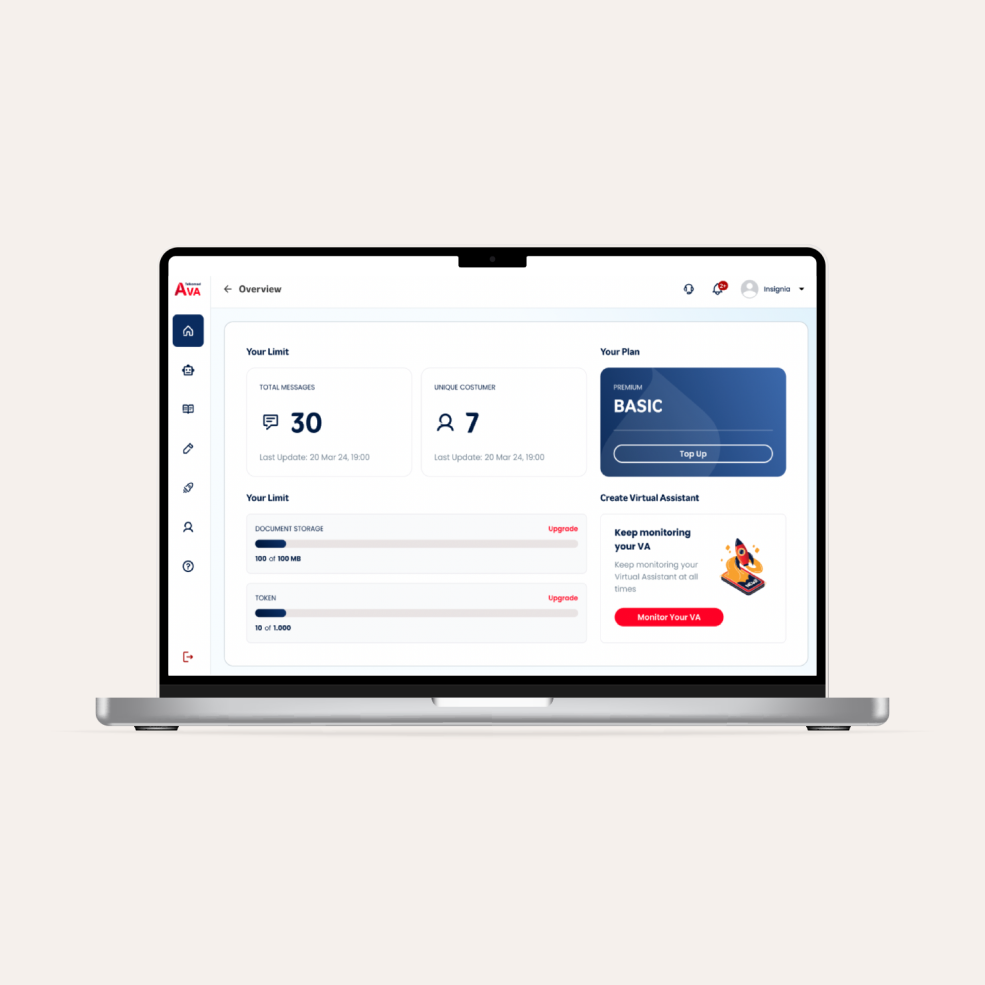
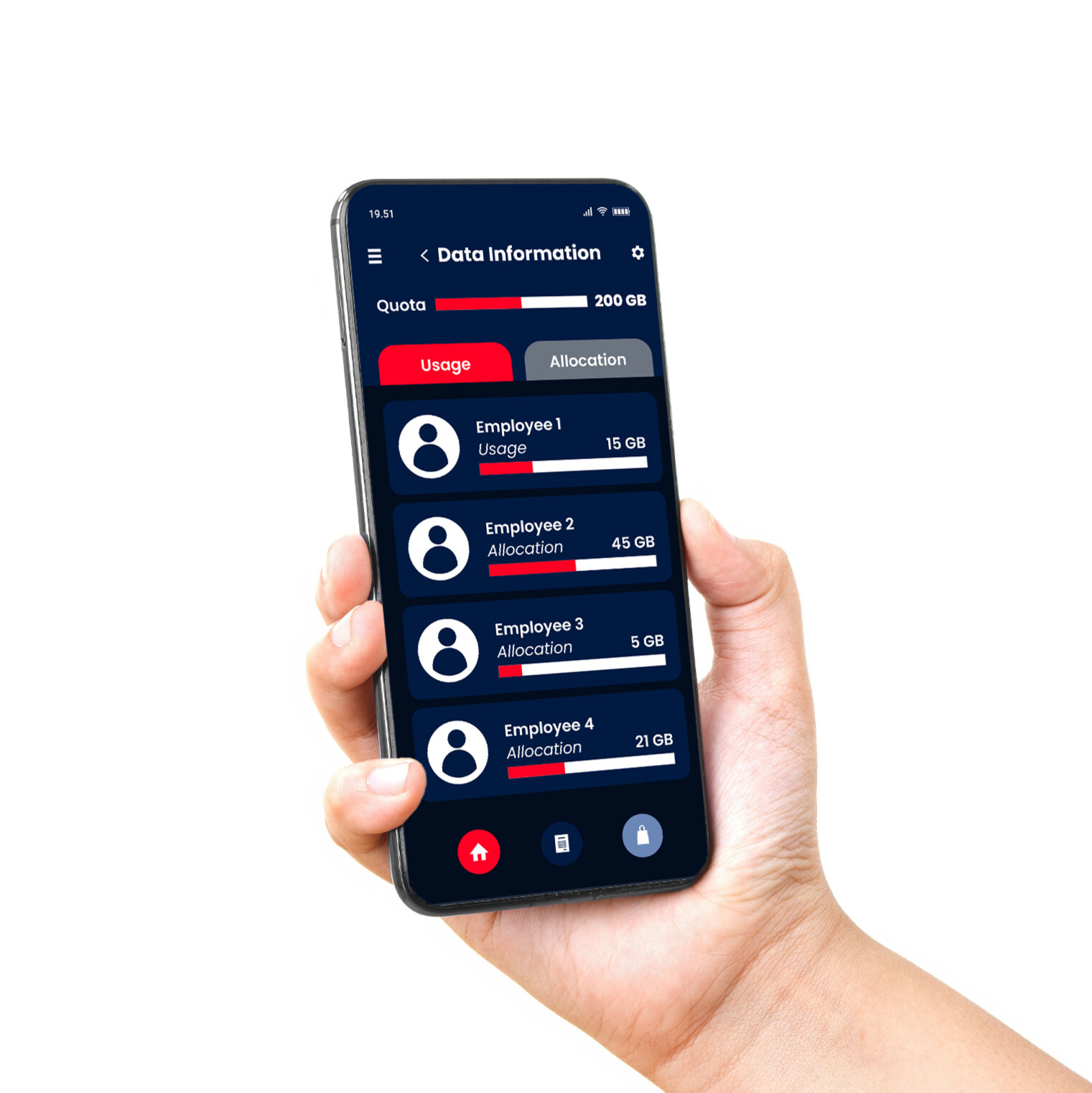
Data such as the number of conversations, response time, and resolution rate can be monitored through a dashboard. Customer service decisions can therefore be supported by actual data rather than relying only on assumptions.
Challenges of Managing WhatsApp and Other Communication Channels Separately
Using multiple channels can certainly make a business easier to reach. However, without proper integration, that convenience can turn into an operational burden.
Teams may have to open multiple applications, move data manually, and search through conversation histories one by one. As a result, several problems can occur, including:
-
Customer messages may receive delayed responses.
-
Chats can be missed when message volumes increase.
-
Customers may have to repeat the same information.
-
Customer data can become scattered across different platforms.
-
Coordination between agents can become more complicated.
What Features Are Needed in an Omnichannel WhatsApp Solution?
To make sure integration genuinely supports daily operations, businesses should look for several important features, including:
-
Unified inbox to manage multiple communication channels from one dashboard.
-
Multi-agent support so several agents can handle customer conversations at the same time.
-
Chatbot and autoreply features to automatically handle common and routine questions.
-
Automatic routing to direct incoming messages to the appropriate agent or team.
-
CRM integration to keep customer data and interaction history stored in one centralized system.
-
Monitoring and analytics dashboard to measure communication performance in real time.
CPaaS Solutions for More Integrated Business Communication
One example of an omnichannel WhatsApp solution that can help businesses address the challenges of adopting an integrated communication system is CPaaS (Communication Platform as a Service). With a CPaaS platform, businesses can integrate different digital communication channels, including WhatsApp, through APIs and a centralized system.
Telkomsel Enterprise provides a CPaaS solution supported by features such as chatbot, autoreply, and monitoring dashboards. With this approach, businesses can manage customer communication more efficiently, reduce the risk of missed messages, and create a more seamless and personalized customer engagement experience.
Imagine a customer no longer having to think about which channel is the "right" one to contact a business. They can simply choose the channel that feels most convenient, while the business can still understand the full context of their conversation.
FAQ
What is omnichannel WhatsApp?
Omnichannel WhatsApp is a system that integrates WhatsApp with various business communication channels, such as Instagram, Facebook Messenger, email, live chat, and CRM, into one centralized system. With this system, customer conversation history and data remain connected even when customers switch between channels.
What are examples of omnichannel WhatsApp?
One of the examples of omnichannel WhatsApp is when a customer asks a question through WhatsApp and then continues the conversation through Instagram or email. The customer service team can still view the customer's interaction history from different channels in one dashboard, so the customer does not have to repeat the same information.
What are the benefits of using omnichannel WhatsApp?
Some of the benefits of omnichannel WhatsApp include faster response times, a lower risk of missed chats, more personalized customer service, higher team productivity, and easier customer service performance monitoring. This integration also helps businesses manage multiple communication channels without having to switch between different applications.
What is the difference between omnichannel WhatsApp and WhatsApp Business?
WhatsApp Business is an application designed to help businesses communicate with customers through WhatsApp, while omnichannel WhatsApp connects WhatsApp with multiple other communication channels in one integrated system.
With WhatsApp Business, communication management focuses mainly on WhatsApp. Omnichannel WhatsApp, meanwhile, allows businesses to manage conversations from WhatsApp, Instagram, email, live chat, and other channels in an integrated way, complete with customer interaction history and features such as multi-agent support, chatbots, routing, and monitoring dashboards.