





As marketing evolves with the rise of cutting-edge technologies, brands are no longer relying solely on traditional surveys or interviews. Today’s most successful brands dive deeper into the human mind itself. Welcome to the world of neuromarketing, where neuroscience meets strategy to unlock the hidden drivers behind consumer decisions.
By fusing neuroscience with marketing strategy, neuromarketing decodes how the human brain responds to branding, advertising, and customer interactions. It’s not just about what consumers say, but they often don’t realize what truly influences them. Neuromarketing reveals what their brains are already telling us.
So, what is neuromarketing, and how does it tie into customer experience?
Customer experience is no longer a luxury, but it’s a necessity. Brands that craft meaningful, emotionally resonant experiences win the loyalty and trust of their audience. Neuromarketing offers a fresh, scientific lens to decode what drives satisfaction, loyalty, and decision-making, helping you shape a customer experience strategy that genuinely resonates.
In fact, PwC found that 73% of consumers say customer experience is a key factor in their buying decisions, and 85% are willing to pay more for a better experience. These numbers speak volumes: crafting exceptional experiences isn't optional, but it’s a business imperative.
Let’s explore the fascinating intersection of brain science and marketing innovation and uncover six game-changing neuromarketing tactics that can elevate your customer experience strategy to unprecedented levels.
What Is Neuromarketing?
Neuromarketing is the intersection of neuroscience and marketing, a scientific approach that seeks to understand how the brain reacts to marketing stimuli.
At its core, neuromarketing leverages brain science to decode consumer behavior. Tools like eye-tracking, fMRI (Functional Magnetic Resonance Imaging), and EEG (Electroencephalogram) allow brands to measure attention, emotional engagement, and even subconscious preferences.
A key principle in neuromarketing is emotion outweighs logic in decision-making. While consumers might believe they’re making rational choices, their brain activity often tells a different story, driven by emotions, habits, and sensory triggers.
Here are some foundational insights from neuromarketing:
-
The brain’s response to marketing, whether it’s an ad, product packaging, or website layout, can be tracked and analyzed.
-
There’s often a mismatch between what consumers say and how their brains actually respond.
-
With the right data, brands can optimize their strategies to trigger more favorable emotional and behavioral reactions.
This science empowers businesses to pinpoint which parts of their campaigns work, which fail, and where customer frustration begins, all critical for refining a customer experience strategy that connects.
Why Neuromarketing Matters in Shaping Customer Experience?
Understanding your customer is the heart of exceptional marketing and neuromarketing digs deeper than traditional methods, offering insights into the subconscious factors that shape loyalty and satisfaction. Here’s why this approach is transforming the customer experience landscape:
1. Gaining Access to the Consumer Brain
Every decision we make, especially buying decisions starts in the brain. Neuromarketing helps brands tap into that internal process, revealing:
-
What motivates customers to purchase.
-
Which visuals, sounds, or messages grab their attention.
-
What might trigger discomfort or confusion.
Armed with this knowledge, brands can design experiences that naturally align with how the brain prefers to engage and respond.
2. Predicting Buying Behavior
What factors influence consumers to choose one product over another? The answer may be more complex than we think.
Neuromarketing can help uncover the factors that influence these decisions by predicting purchasing behavior. With more accurate data, brands can design more effective customer experience strategies.
3. Strengthening Customer Loyalty
Loyalty isn't just about returning customers, but it's also about building relationships with them. When brands understand what consumers truly want and how their brains work, they can create experiences that better align with their wants and needs, increasing loyalty.
This way, consumers are more likely to return and engage with the brand. A loyal customer will not only purchase more but will also recommend the brand to others.
Neuromarketing Techniques to Understand Customer Experience
Creating memorable customer experiences starts with understanding how consumers truly think and feel. These proven neuromarketing techniques reveal what customers value, even if they can’t express it themselves:
1. Eye-Tracking Studies
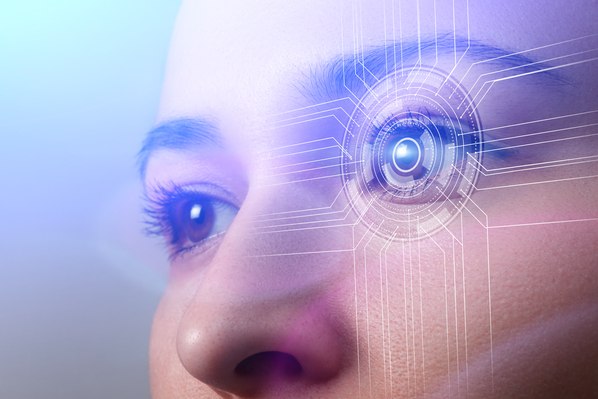
Eye-tracking technology allows brands to see where consumers' eyes move and focus when interacting with content or products. This provides insight into which elements capture their attention, and which parts may be overlooked.
By understanding where consumers' eyes are drawn, brands can:
-
Identify visual elements that attract attention.
-
Redesign layouts to guide the eye to key areas (CTAs, brand logos, product info).
-
Remove or adjust distracting or overlooked elements.
The result? A more intuitive and engaging experience that aligns with how the brain processes visuals.
2. Neuroimaging and Brain Scanning
Technologies such as fMRI (Functional Magnetic Resonance Imaging) and EEG (Electroencephalogram) provide insights into how the brain reacts to certain stimuli. By measuring brain activity, we can understand consumers' emotions and responses to various purchasing experiences.
Through brain scans:
-
Which parts of the brain activate during different types of engagement.
-
Emotional reactions like excitement, boredom, frustration, or confusion.
-
How content emotionally connects or fails to connect.
3. Physiological Response Monitoring
In addition to brain activity, physiological responses such as heart rate and Galvanic Skin Response can provide information about how consumers perceive a particular experience.
Physiological responses often correlate with emotions. If your heart rate increases when viewing an advertisement, it could indicate excitement. Conversely, an increased skin reaction may indicate anxiety or tension.
Using these techniques allows brands to delve into consumers' inner worlds, uncover valuable insights, and maximize their customer experience.

How Neuromarketing Works to Maximize Customer Experience
Knowing what works half the battle is only. To elevate customer experience, brands must put these insights into action. Here’s how neuromarketing can directly improve the way businesses engage with customers:
1. Optimizing Product Design
Through brain activity scans, brands can identify which parts of a product trigger positive responses, and which may cause frustration or confusion. With these insights, brands can optimize product design by adjusting the design to create products that better align with consumers' wants and needs.
The human brain has specific preferences for color, shape, and texture. Using neuromarketing, brands can design products that align with these brain preferences, increasing the chances of consumers liking and choosing them.
2. Personalizing Customer Interactions
Every consumer is unique, and so are their brains' responses to various stimuli. By using neuromarketing data, brands can personalize customer experiences based on how their brains react to specific content or products, enabling a more personalized experience.
By understanding what makes consumers' brains 'react', brands can deliver content that is relevant and satisfying to them. This not only improves the customer experience but also deepens the relationship between the brand and the consumer.
3. Enhancing Advertising and Marketing Campaigns
Effective advertising is attention-grabbing. Through eye-tracking techniques, brands can determine which parts of their ads are most engaging and can optimize their advertising and marketing efforts for greater effectiveness.
Emotions also play a crucial role in purchasing decisions. By understanding consumers' emotional responses to marketing messages, brands can tailor those messages to maximize their intended impact.
Integrating neuromarketing tactics into a customer experience strategy is a worthwhile investment. It enables brands to build deeper relationships with customers, increase loyalty, and ultimately, boost business growth.
Conclusion
Today’s consumers expect brands to understand them deeply and deliver seamless experiences. Generic marketing won’t cut it. Neuromarketing bridges that gap, empowering you to tap into emotional motivators, create human-centric designs, and connect in meaningful ways.
Adopting a neuromarketing-informed customer experience strategy can lead to higher engagement rates, more effective advertising, increased customer retention and advocacy, and smarter product and service development.
To unlock these benefits, consider integrating tools like Telkomsel Enterprise’s Customer Engagement Platform (CEP). This platform lets you build a unified customer profile with actionable data, run targeted campaigns based on real behaviors and preferences, and also personalize every interaction using cloud-based, SaaS-driven intelligence.
With advanced features like audience segmentation and real-time campaign customization, CEP gives your brand the edge to thrive in a competitive market.
Don’t just guess what your customers want. See it, feel it, and act on it.
Curious to learn more? Contact us today and start building a customer experience strategy that’s not only smart, but scientifically unforgettable.