


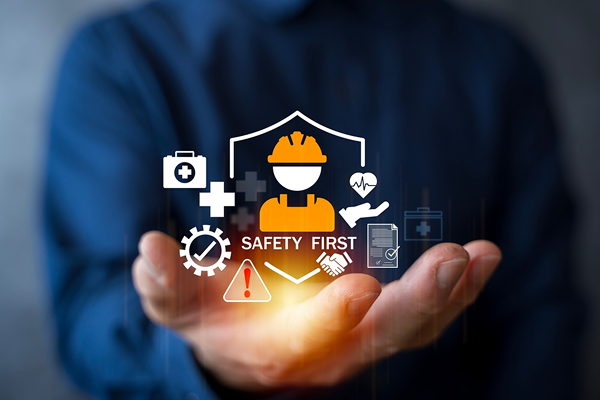


Implementing robust work safety protocols, such as Occupational Health and Safety (OHS), serves as a critical foundation for maintaining the sustainability and productivity of the mining industry. This is particularly crucial because the mining sector stands out as one of the industries with the highest levels of occupational risk.
Without the application of an optimal safety system, the risks of work accidents, health disturbances, and even significant operational losses can increase dramatically. That is why workplace safety in mining must go beyond regulatory compliance. It should become a core business strategy that safeguards people, protects assets, and strengthens long-term operational performance.
Understanding Occupational Safety in Mining
Occupational safety in mining refers to a structured and systematic effort to protect workers’ health and well-being by preventing workplace accidents and work-related diseases. In mining environments, workers encounter numerous hazards, including exposure to hazardous dust and toxic gases, high noise levels and extreme vibrations, landslides and ground collapses, explosions and blasting risks, heavy equipment accidents
Mining sites are often located in remote or isolated areas, adding further complexity to supervision, communication systems, and emergency response coordination. These conditions make it clear why a consistent and well-structured safety framework is not optional, it is essential.
Understanding the Mining Work Environment
The mining industry operates in highly unique and complex environments. Activities may take place in surface (open-pit) mines or underground mines, each presenting different risk profiles.
Open-pit mining commonly involves challenges such as extreme weather exposure, dust pollution, extensive heavy equipment movement across large operational areas
Meanwhile, underground mining presents additional risks, including limited ventilation systems, potential structural collapses, confined and restricted workspaces
Beyond physical hazards, operational and human factors also influence safety levels. Long working hours, production targets, physical fatigue, and mental stress can reduce worker alertness. This is why a proactive and well-managed work environment plays a crucial role in strengthening occupational safety and overall Mining Safety performance.
The Role of Occupational Health and Safety (OHS) in Mining
The implementation of OHS plays a strategic role in supporting the operational success of the mining industry, both in terms of safety and business sustainability. This role includes:
-
Preventing Financial Losses
Workplace accidents can result in enormous financial consequences, including medical expenses, compensation claims, equipment damage, legal penalties, and production shutdowns. By implementing effective Mining Safety protocols, companies can significantly reduce these preventable losses.
-
Protecting Workers’ Health and Well-Being
Employees are a company’s most valuable asset. A strong occupational safety program ensures that workers can perform their duties safely while minimizing injuries, occupational illnesses, and long-term health risks.
-
Minimizing Environmental Damage
Uncontrolled mining activities can lead to environmental degradation, ecosystem destruction, and pollution incidents. Proper safety management reduces environmental risks, protects surrounding communities, and strengthens corporate reputation.
-
Ensuring Regulatory Compliance
Governments impose strict regulations on mining safety standards. Non-compliance can result in administrative sanctions, operational suspensions, or even criminal penalties. A comprehensive workplace safety management system ensures that companies meet regulatory requirements and avoid costly legal consequences.
Implementation of Occupational Safety and Health (OHS) in Mining
To ensure optimal occupational safety, OHS implementation must be comprehensive and sustainable through the following strategic steps:
-
Risk Identification and Assessment
The first step involves identifying potential hazards and evaluating the level of risk associated with each mining activity. A comprehensive risk assessment allows companies to determine appropriate control measures, from hazard elimination to engineering controls and PPE usage.
-
Monitoring and Inspection
Routine inspections of work areas, machinery, and operational procedures are critical to maintaining compliance with safety standards. Consistent supervision ensures that potential hazards are detected early, before they escalate into serious incidents.
-
Training and Continuous Education
Ongoing safety training enhances worker awareness, discipline, and emergency response capabilities. Continuous education also helps cultivate a safety-first culture within mining operations.
Implementing an OHS Management System (SMK3)
The OHS Management System (SMK3) helps companies manage work safety in a structured manner, from planning to continuous performance evaluation. However, maximizing safety in the mining sector also requires the support of appropriate technology. This is where a robust workplace safety management system becomes vital for tracking compliance and incidents.
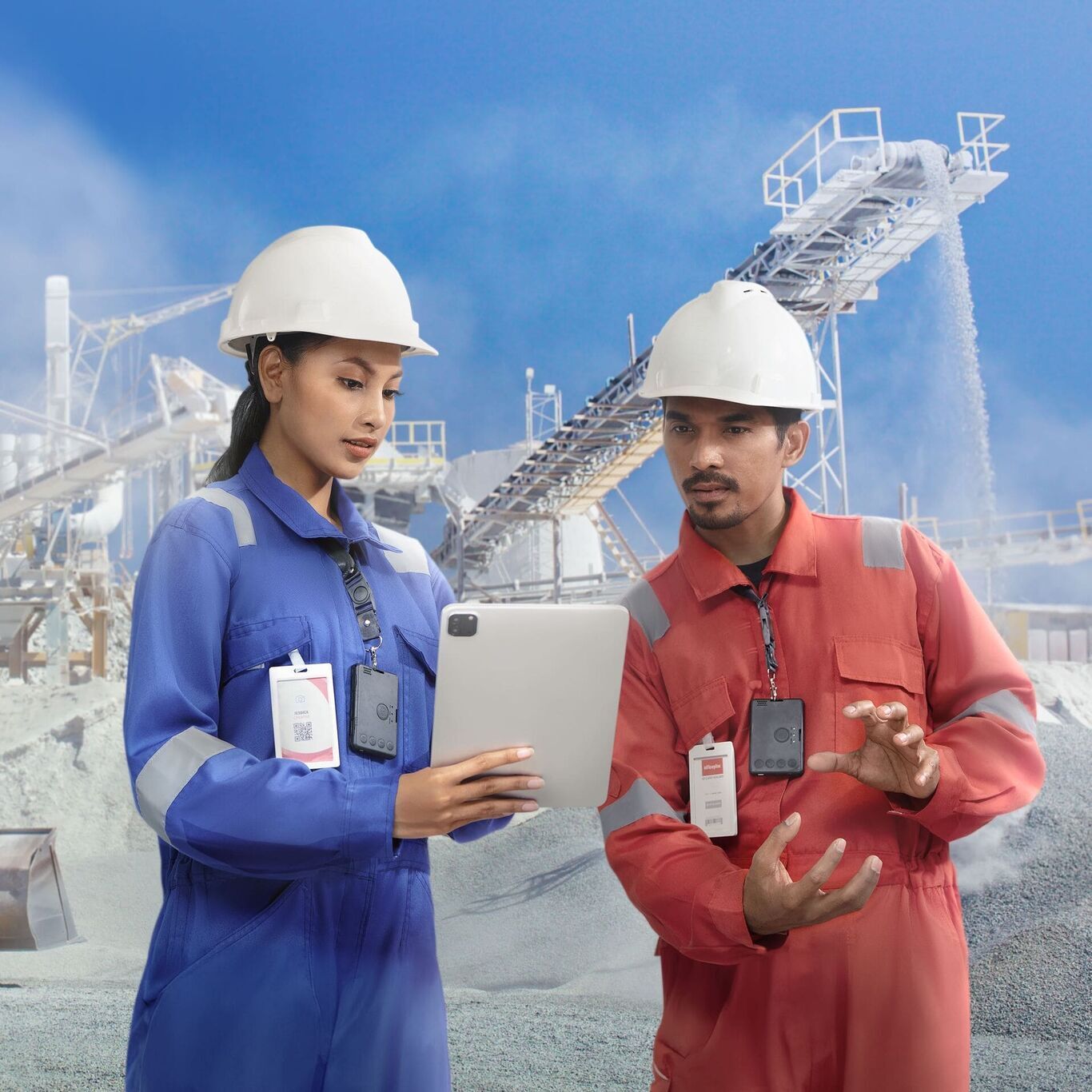
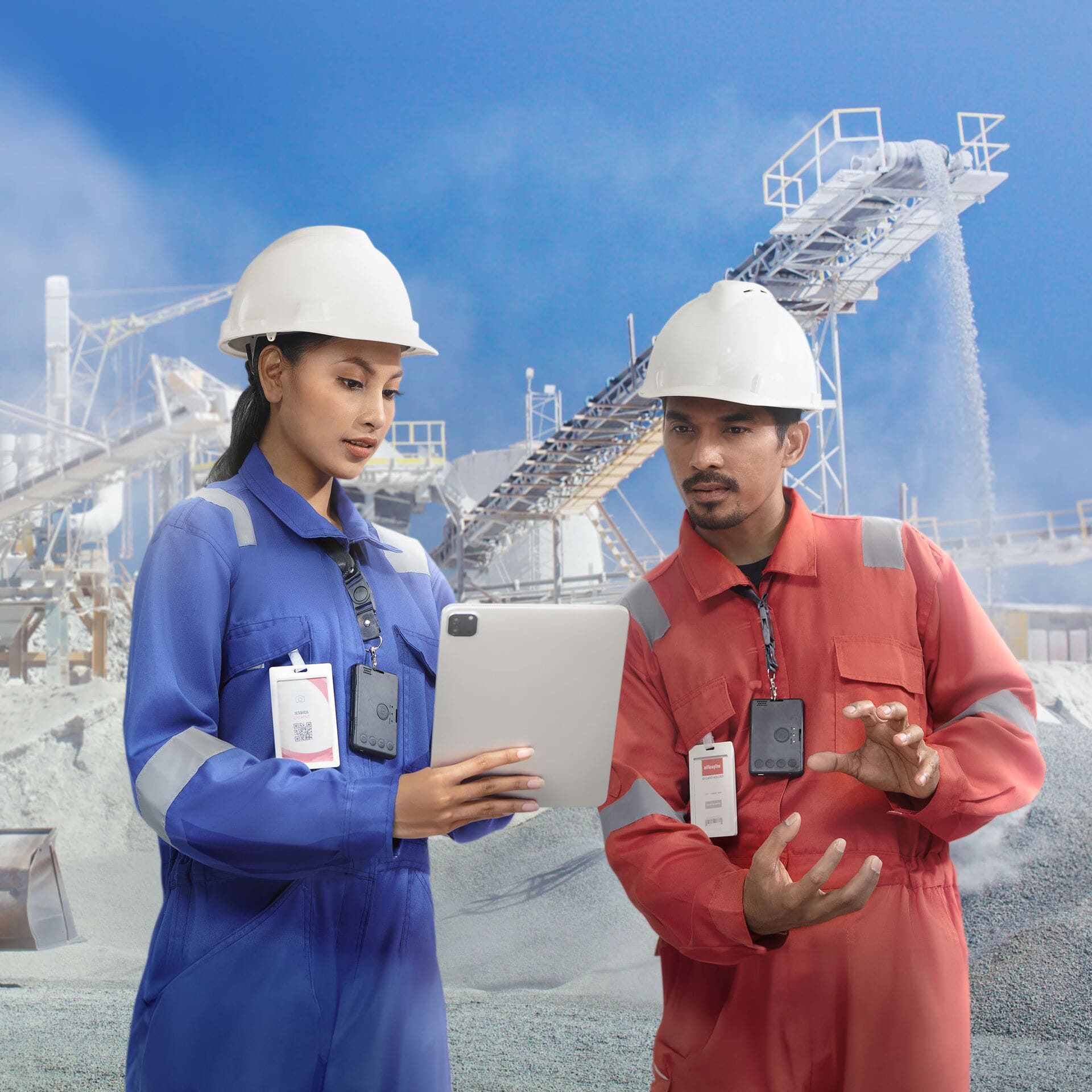
Telkomsel Enterprise presents Connected Worker, a solution that makes monitoring workers easier in real-time. With an integrated dashboard, companies can:
-
Monitor worker conditions directly
-
Identify potential operational obstacles
-
Receive safety warnings automatically
With Connected Worker, your company can improve a safer and more productive mining work environment. Switch to digital solutions for more optimal work safety. Protect your workforce with Connected Worker from Telkomsel Enterprise!