



A single frustrating checkout experience can instantly cost you a customer. Whether it’s a slow transaction, limited payment options, or doubts about security, even minor issues can break trust in seconds. This is why implementing a fast, secure, and flexible merchant payment system has become a critical factor in winning customer loyalty and staying ahead of competitors.
The right payment solution doesn’t just process transactions, it shapes how customers perceive your brand. So, how can an optimized merchant payment strategy improve customer satisfaction while streamlining your operations? Let’s dive deeper, because the way you accept payments today directly influences your business growth tomorrow.
What Is Merchant Payment?
Merchant payment is a system or service that enables businesses (merchants) to accept payments from customers through various methods, including both cash and cashless transactions. In practical terms, it commonly refers to digital payment methods such as debit/credit cards, e-wallets, bank transfers, and QR code payments like QRIS.
A modern merchant payment ecosystem connects customers, merchants, banks, and payment service providers into one seamless network. This integration allows transactions to be processed automatically, quickly, and with minimal manual errors.
As fintech continues to advance, these payment solutions have transcended their traditional role as mere checkout tools. They now serve as vital growth engines that elevate customer experience, fuel data-driven insights, and accelerate comprehensive digital transformation.
How Merchant Payment Works?
A merchant payment gateway processes transactions through a series of integrated steps that occur within seconds. Each phase plays a vital role in ensuring accuracy, speed, and security.
1. Transaction Initiation
The process begins when a customer selects a product or service. They are then directed to a checkout page where they choose their preferred payment method, such as bank transfer, card payment, e-wallet, or QR code.
At this stage, the system records key transaction details, including payment amount, product information, and customer data if required.
2. Authorization Process
Once the customer confirms the payment, transaction data is sent to the payment gateway, which acts as a bridge between the merchant, banks, and payment networks.
For card payments, the system forwards the request to the issuing bank to verify the card’s validity, status, and available balance or credit limit.
3. Authentication and Verification
To safeguard against unauthorized usage, the platform triggers multi-layered authentication protocols. This ensures the person completing the purchase is the legitimate account holder. Common verification methods include:
-
One-Time Password (OTP) sent to a registered mobile number
-
PIN verification
-
Biometric authentication such as fingerprint or facial recognition
-
Additional verification layers also help detect fraud or suspicious activity.
4. Transaction Approval
If all checks are successful, the bank or payment provider approves the transaction. If any issue arises, such as insufficient funds, invalid data, or risk detection, the transaction is automatically declined.
The result is instantly sent back to the merchant system and displayed to the customer.
5. Penyelesaian (Settlement)
Approved transactions proceed to settlement, where funds are transferred from the customer’s bank to the merchant’s account. Settlement timelines vary depending on the payment method and provider policies, ranging from real-time processing to T+1 or T+2 business days.
Merchant Payment Type Example
Merchant payment solutions come in various forms, each tailored to different business models, customer behaviors, and sales channels.
1. In-Store (Face-to-Face) Payments
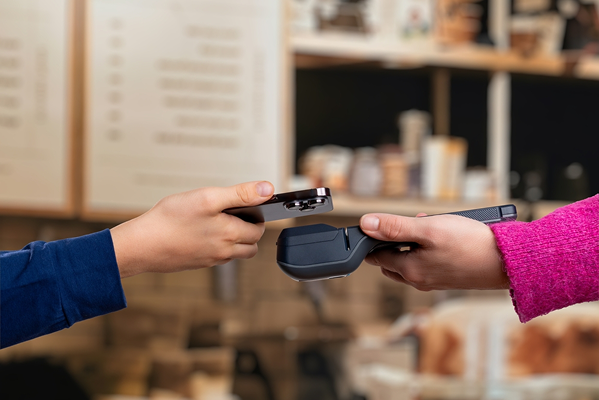
Designed for physical retail environments, restaurants, cafés, and service outlets, this variant relies on hardware like EDC machines for debit/credit cards, QRIS for QR-based payments, and NFC/contactless payments. Shoppers simply tap their card or smartphone to finalize purchases instantly.
The primary advantage lies in its speed and convenience, which significantly enhances the on-site shopping journey and reduces checkout queue friction.
2. Online Payments
This digital-native solution allows buyers to complete purchases remotely, seamlessly embedded into websites or mobile applications. It supports a broad array of methods, including virtual cards, direct bank debits, digital wallets, and virtual account. Many platforms also feature optimized one-click checkout flows to minimize cart abandonment.
This type is essential for e-commerce and digital services, allowing transactions anytime and anywhere.
3. Payment Links
Payment links provide a simple solution for businesses without a website or app. Merchants can generate a link containing transaction details and share it via email, SMS, or messaging platforms.
Customers only need to click the link to complete the payment, making it highly effective for service-based or social commerce businesses.
4. Subscription and Recurring Billing
Designed for membership-based or subscription-driven revenue models, this system automatically charges registered clients at predefined intervals (monthly, quarterly, or annually).
Common use cases include SaaS platforms, streaming services, online academies, and fitness clubs. By eliminating manual invoicing and follow-up collections, it dramatically streamlines administrative overhead while stabilizing predictable cash inflows.
5. B2B Enterprise Transfers
Tailored for business-to-business commerce, this architecture handles high-value transactions and complex procurement cycles. It typically features automated digital invoicing, flexible payment terms (Net-30, Net-60), and advanced reconciliation dashboards.
Settlement methods usually include bulk bank transfers, dedicated virtual accounts, or direct ERP integrations. Its standout value lies in structured, audit-ready documentation that simplifies corporate accounting and compliance.
Benefits of Adopting a Digital Payment System
Integrating a modern checkout infrastructure delivers undeniable competitive advantages in today’s fast-paced economy. Key rewards of upgrading your financial routing include:
1. Accelerating Revenue Growth and Conversion Rates
By accommodating diverse checkout preferences, you capture a broader demographic. This flexibility drastically reduces cart abandonment and converts hesitant browsers into paying customers, directly boosting top-line revenue.
2. Improve Operational Efficiency
Contemporary platforms feature intelligent auto-reconciliation engines that automatically match incoming funds with order records. This eliminates tedious manual bookkeeping, minimizes human error, and frees up your finance team to focus on strategic analysis.
3. Strengthen Transaction Security
Leading solutions deploy end-to-end encryption, tokenization, and real-time threat monitoring. These safeguards protect sensitive consumer data, drastically reduce chargeback rates, and shield your brand from financial and reputational damage.
4. Optimize Cash Flow Management
Digital routing ensures faster, transparent fund clearing. With real-time liquidity tracking and detailed analytics dashboards, you can forecast revenue accurately, manage working capital efficiently, and make data-driven financial decisions.
5. Expand Market Reach
A robust payment infrastructure breaks geographical barriers, enabling you to serve regional, national, and international audiences effortlessly. In the current digital economy, this borderless capability is essential for sustained scaling.
How to Choose the Right Merchant Payment Service Provider
Selecting the right provider ensures smooth transactions and a better customer experience. Here are the key factors to evaluate:
1. Wide Range of Payment Methods
Ensure your chosen platform supports the full spectrum of preferred checkout methods: credit/debit cards, bank transfers, e-wallets, and national QR standards like QRIS. Broader options mean fewer abandoned carts and higher accessibility across diverse consumer demographics.
2. Easy Integration
For digital-first businesses, seamless connectivity is non-negotiable. Prioritize providers offering well-documented APIs, ready-made plugins, and native POS compatibility. A straightforward integration reduces development overhead, shortens deployment timelines, and allows your team to focus on growth rather than troubleshooting.
3. Security Compliance and Licensing
Security must never be compromised. Verify that the vendor holds internationally recognized certifications like PCI-DSS and operates under official regulatory licenses. Compliance not only safeguards sensitive data but also builds unwavering consumer trust and protects your brand from legal liabilities.
4. Transparent Pricing Structure
Before signing any contract, thoroughly audit the fee structure. This includes understanding the Merchant Payment Fees (MDR) definition, which refers to the percentage-based processing fee deducted from each transaction by the payment provider.
Also review setup costs, monthly subscriptions, and potential hidden surcharges. Transparent pricing enables precise financial modeling and prevents unexpected margin erosion.
5. Reliable Customer Support
Technical glitches or payment declines can happen at any hour. Partner with a vendor offering 24/7 multichannel support, rapid SLA response times, and dedicated technical specialists. Proactive assistance minimizes downtime, resolves buyer complaints swiftly, and preserves your brand’s reputation.
6. Unified Payment System
Opt for a single, centralized hub that consolidates all checkout channels. Managing multiple disparate vendors creates operational chaos. A unified dashboard simplifies transaction tracking, reporting, and reconciliation, giving you holistic visibility over your financial health.
7. Advanced Security Features
Beyond basic compliance, evaluate the underlying security architecture. Look for end-to-end data encryption, dynamic tokenization, and multi-factor authentication (MFA). These layers are critical for neutralizing sophisticated cyber threats and preventing data breaches.
8. Cost Transparency
Transparency should be a foundational contract clause. All cost components must be clearly outlined from day one. This prevents financial surprises, fosters long-term partnership trust, and allows for accurate ROI calculations.
9. Global Expansion Support
If cross-border scaling is on your roadmap, select a processor that supports multi-currency routing and international payment networks. Additionally, prioritize platforms offering instant or same-day settlement capabilities to maintain healthy liquidity and operational agility.
Soundbox: A Practical Solution for More Secure Merchant Payments from Telkomsel Enterprise
As QR-based payments like QRIS continue to grow, businesses need solutions that are not only fast but also reliable and secure. Soundbox by Telkomsel Enterprise integrates seamlessly with your merchant payment system and provides real-time voice notifications for every successful transaction. This helps reduce human error, prevent fraud, and ensure accurate payment tracking
Backed by Telkomsel’s nationwide, high-stability network infrastructure, Soundbox by Telkomsel Enterprise comes equipped with advanced operational tools that keep your business running smoothly and efficiently.
Upgrade to a smarter merchant payment gateway solution today. Improve security, accelerate transactions, and unlock greater business potential with the right payment technology. Discover how Soundbox can support your growth, connect with Telkomsel Enterprise and find the perfect solution for your business needs.