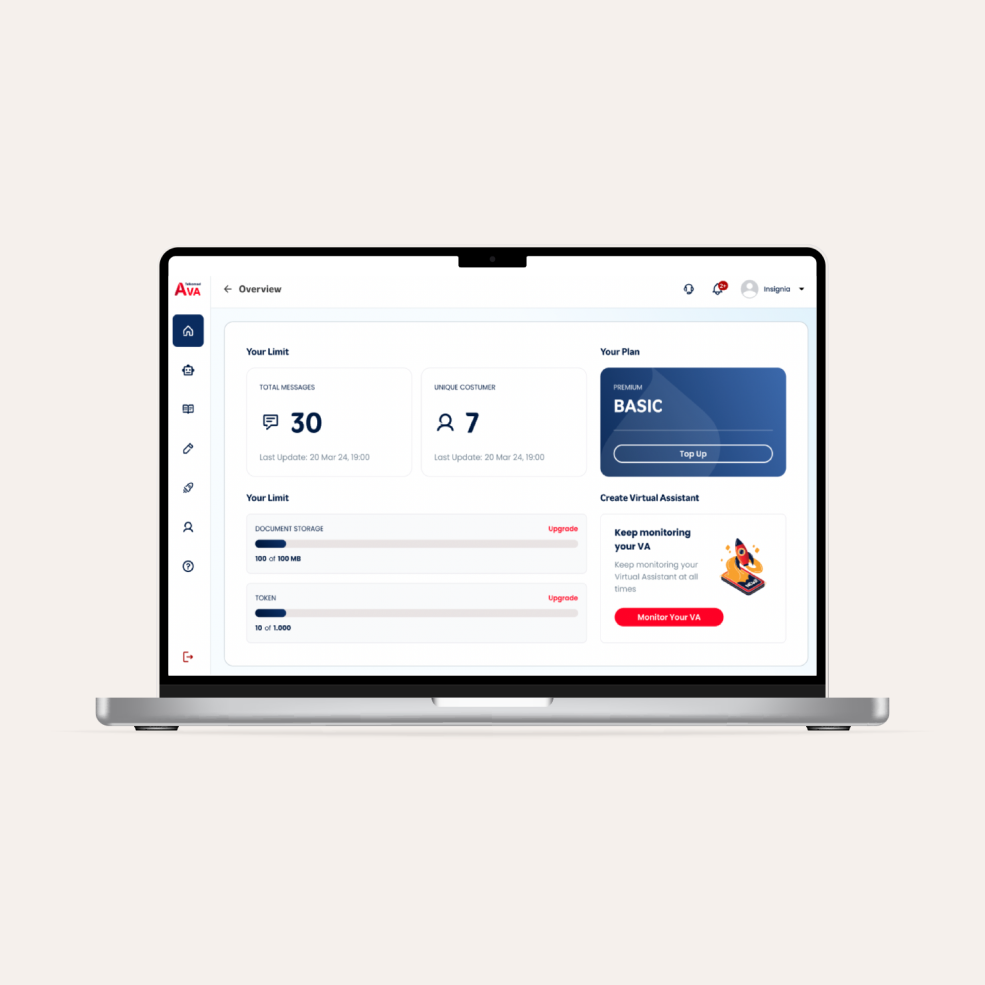






Every day, businesses handle large amounts of data. From customer purchases and stock updates to daily activities, everything depends on systems that can process data quickly, correctly, and safely.
An operational database helps make this possible. It keeps data organized, easy to access, and ready to use anytime.
So, why is this system so important for modern businesses? Let’s look at the full explanation below.
What Is Operational Database?
To answer what is operational database, it is a database system built to manage daily business data quickly and efficiently. The operational database definition refers to a system that stores, updates, and retrieves data in real time to support ongoing business activities.
This type of database focuses on current data, not past data. For example, when a customer makes a purchase, the system immediately records it. When stock changes, the database updates it right away. This makes operational databases very important for businesses that need fast and accurate information.
Unlike analytical databases that are used for reports and long-term analysis, operational databases are designed for daily transactions. Because of this, speed, accuracy, and reliability are the most important features.
The Important Function of an Operational Database for Business
An operational database is not just for storing data. It also helps businesses run smoothly. Here are its main functions:
1. Data Management
It helps organize data in a clear and structured way. This makes it easier to find and use information when needed.
2. Backup and Recovery
The system can save backup data and restore it if something goes wrong. This protects the business from data loss caused by errors or system problems.
3. Real-Time Data Access
One of the biggest advantages is real-time access. Employees from different departments can get the latest data instantly. This allows teams to work faster and make decisions without delay.
4. Data Storage
Operational databases are designed to store large amounts of data in an organized way. Even as the business grows, the system can handle more data while keeping it safe and easy to manage.
5. Prevent Data Duplication
Duplicate data can cause confusion and errors. An operational database helps prevent this by controlling how data is entered and stored. This keeps information accurate and consistent across the company.
Example of Operational Database in Various Industries
Here are some example of operational database uses in different industries:
1. Relational Database
Used in banking, e-commerce, and business systems. It stores data in tables and keeps relationships between data clear and organized.
2. External Database
An external database combines internal data with data from outside sources, such as market trends or third-party customer data. This helps businesses gain more insights and improve their strategies.
3. Operasional Database
Used in systems like Point of Sale (POS), inventory systems, and booking platforms. It focuses on handling daily transactions quickly.
4. Distributed Database
A distributed database stores data across multiple servers or locations. This is useful for large companies with many branches because it allows data to be accessed from different places while staying connected.
5. Analytical Database
Although it has a different purpose, an analytical database often works together with an operational database. While the operational database handles daily tasks, the analytical database helps analyze data for better business decisions.
Benefits of Operational Databases
Using an operational database provides many advantages for businesses:
1. Streamlined Operational Efficiency
Automation helps reduce manual tasks and speeds up business processes. This allows teams to work more efficiently.
2. Better Data Quality
The system ensures that data is accurate and consistent. This reduces errors and improves trust in the information used.
3. Real-Time Decisions
Data is updated instantly, so businesses can make quick decisions based on the latest information. This is very important in competitive markets.
4. Better Customer Service
With fast access to customer data, businesses can respond quickly and provide more personalized services. This helps increase customer satisfaction.
Challenges in Managing an Operational Database
Even with all these advantages, Challenges in Managing an Operational Database still affect many companies. One of the most common issues is an unstable network connection.
When the internet or internal network is weak, it causes high latency, which slows down data access and delays important tasks. Poor connectivity can also break data synchronization, especially for businesses using distributed systems across multiple locations. These technical problems quickly disrupt daily operations and reduce team productivity.
To solve this, companies need a strong, secure, and reliable network foundation. Private Network by Telkomsel Enterprise offers the perfect fix by providing a stable, protected connection designed specifically for business data.
Private Network keeps your operational database secure, ensures smooth data syncing, and guarantees that information flows without interruption. Upgrade your network setup today with Private Network from Telkomsel Enterprise, and keep your daily operations running safely and efficiently!