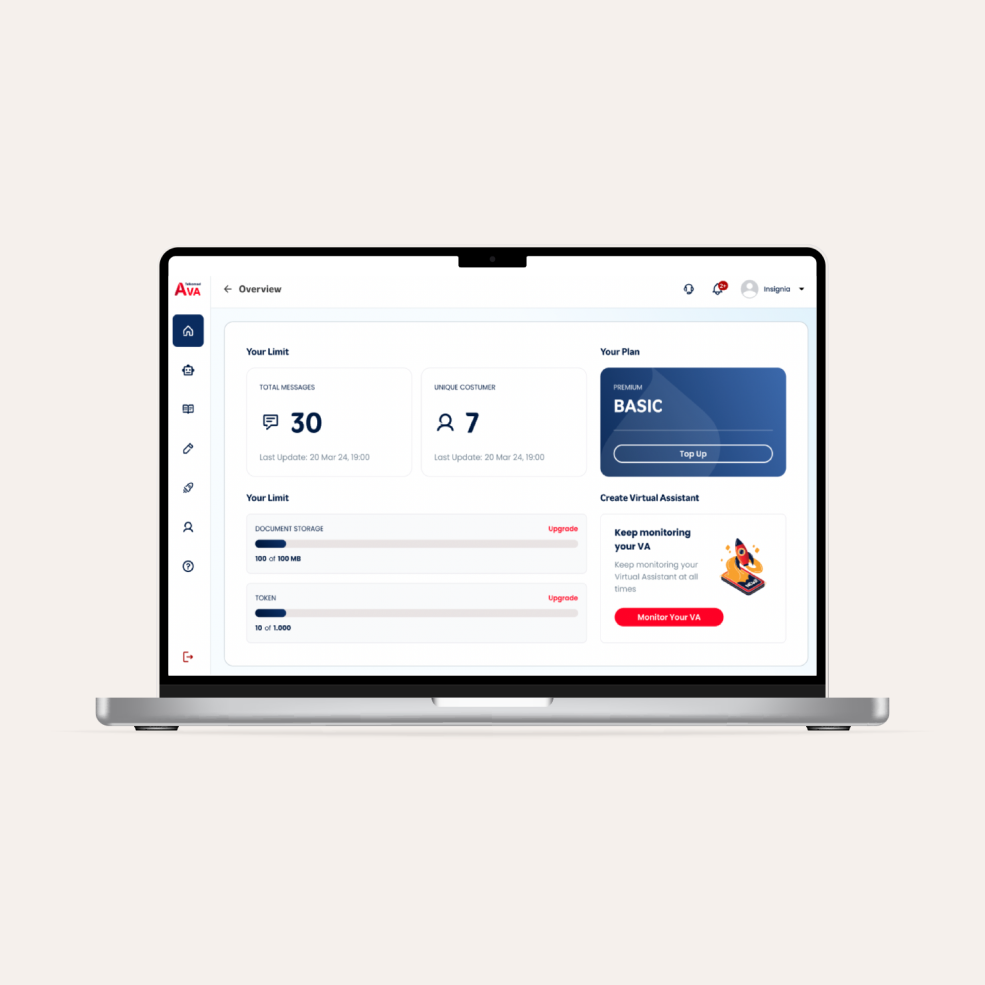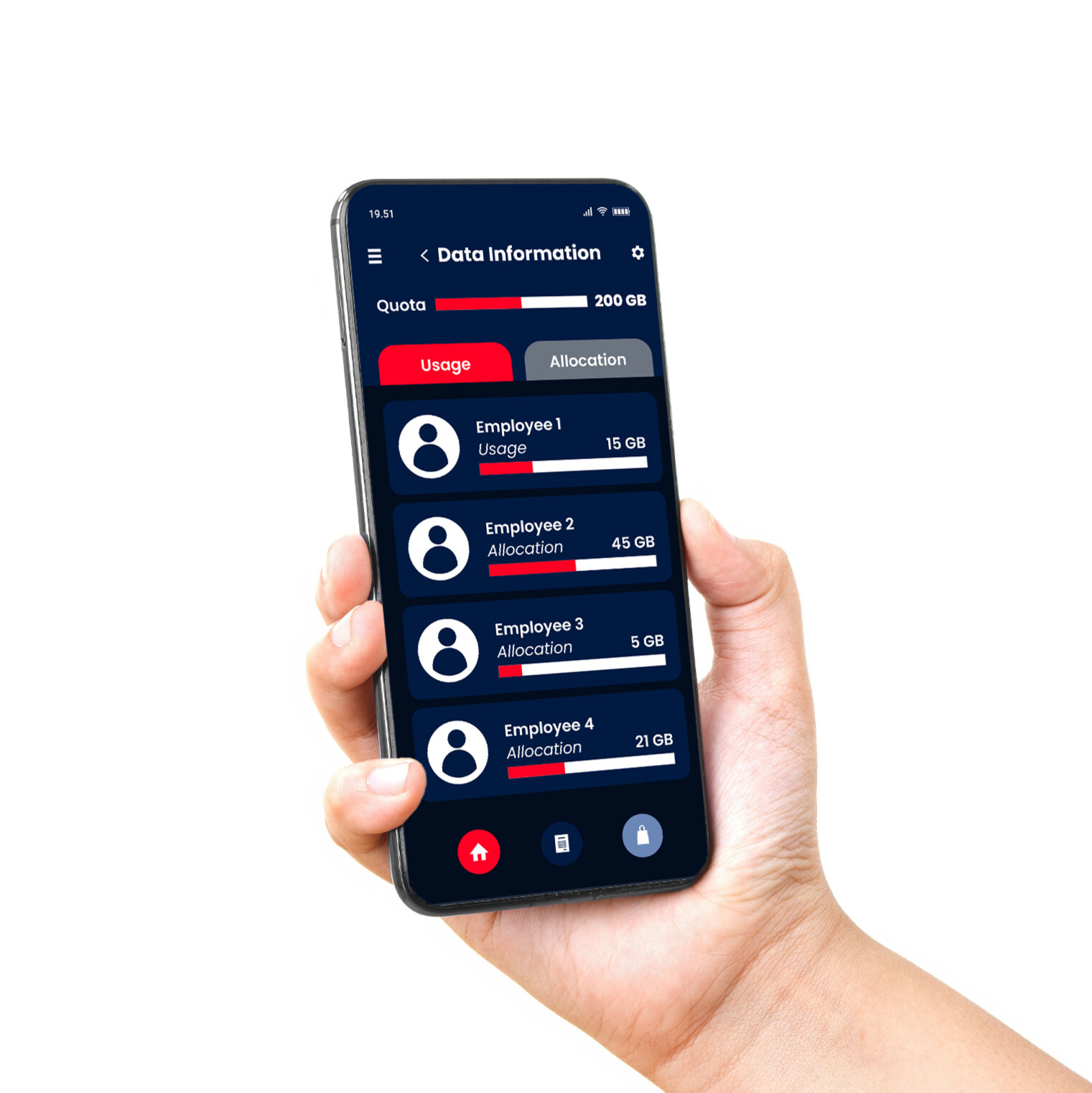



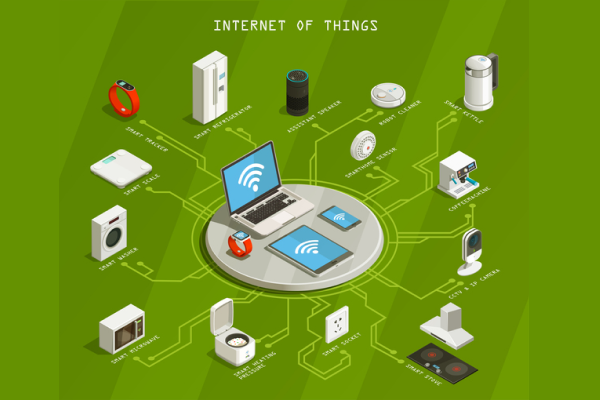


As the number of connected devices within the Internet of Things (IoT) ecosystem rapidly increases, managing their connectivity becomes more complex and demanding. The IoT Control Center emerges as a smart solution to these challenges.
With an IoT Control Center in place, enterprises can efficiently manage thousands of devices across multiple locations in a short amount of time. This is particularly important, because data shows that the number of IoT devices continues to grow significantly year over year.
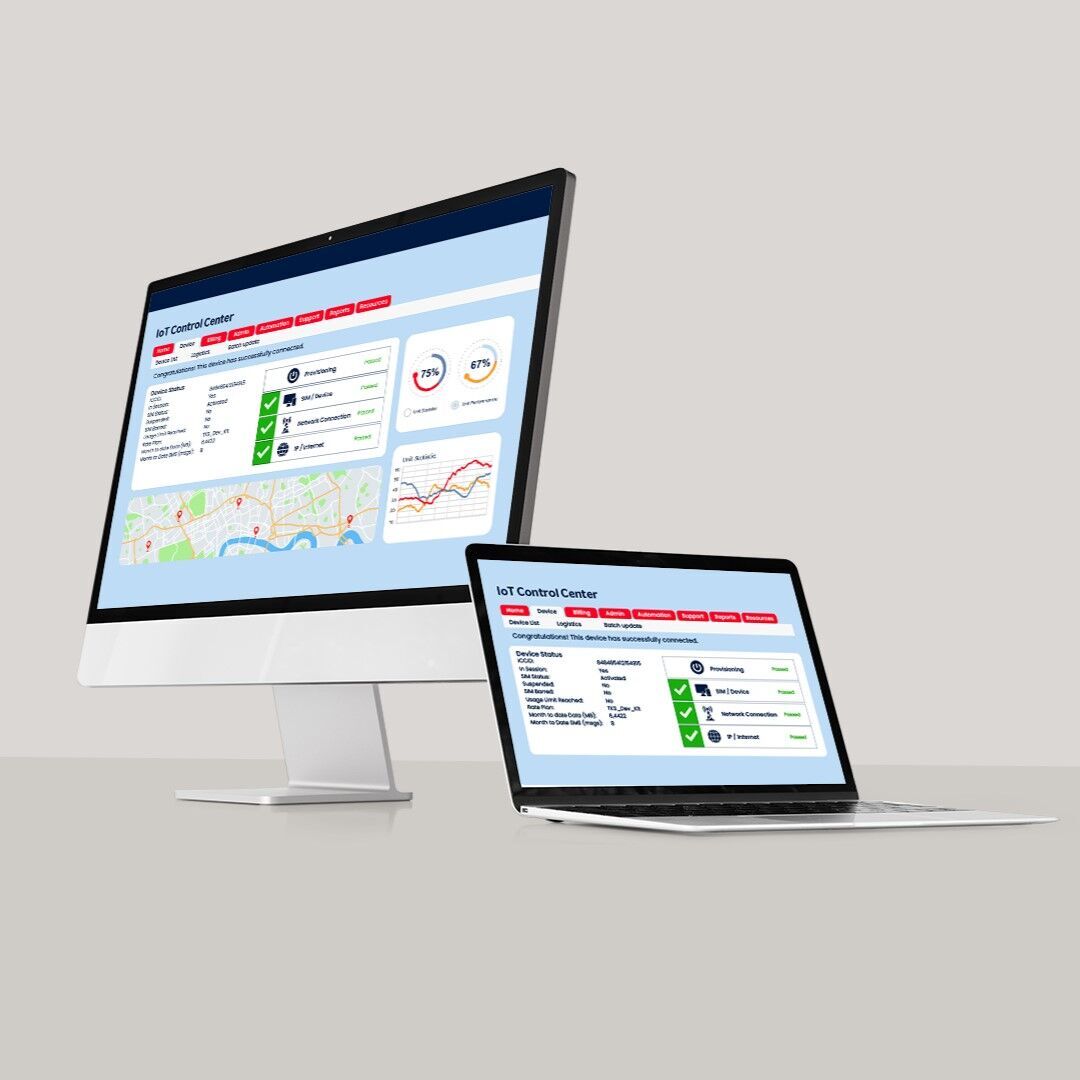
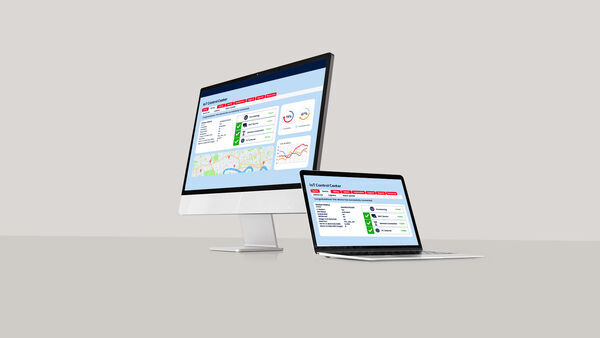
Designed as an advanced IoT connectivity management platform, the IoT Control Center empowers organizations to monitor, manage, and control all their IoT devices from a single hub. This centralized control ensures devices remain functional, connectivity issues are swiftly resolved, and network performance is fully optimized.
Main Features of the IoT Control Center
IoT Control Center has a variety of features designed to support device connectivity management. Some of its key features include:
1. Monitoring and Diagnostics for Real-Time Insights
The IoT Control Center offers real-time monitoring capabilities that allow businesses to keep a close watch on the status and performance of all their connected devices. With sophisticated diagnostic tools, any issues in device performance or connectivity can be quickly identified and analyzed before they escalate into bigger problems.
For example, when a device encounters a connectivity disruption, the IoT Control Center provides immediate alerts and detailed diagnostics, allowing teams to quickly understand the root cause and take corrective actions without delay.
2. Smarter Connectivity Management Across All Devices
One of the biggest hurdles in implementing large-scale IoT systems is maintaining stable and efficient connectivity. The IoT Control Center offers comprehensive tools to manage and control network connections. This includes settings for mobile networks, SIM card lifecycle management, bandwidth allocation, and network configuration.
Through this platform, businesses can ensure that every device stays connected reliably, even across distributed environments. The ability to manage connectivity from a centralized platform brings consistency, visibility, and higher levels of control to large-scale IoT deployments.
3. Robust Security Framework
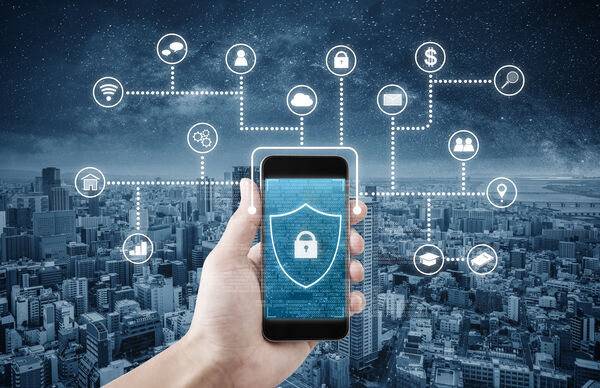
Security remains one of the most critical aspects of IoT management. The IoT Control Center is equipped with robust security features designed to safeguard both the devices and the sensitive data they transmit.
Security capabilities such as end-to-end data encryption, strict device authentication, and intelligent monitoring for suspicious activity help businesses protect against cybersecurity threats. This added layer of defense is crucial for reducing the risk of data breaches and ensuring that enterprise systems remain secure.
4. Automation and Customization for Greater Efficiency
To support scalability and reduce manual workloads, the IoT Control Center enables automation of several device management processes. These include firmware updates, configuration management, and remote application distribution.
In addition to automation, businesses can also define custom rules and settings based on their specific use cases. This means that the system can intelligently adapt to different operational scenarios, ensuring each device performs exactly as needed, without requiring constant human supervision.
Advantages of Using an IoT Control Center
Adopting an IoT Control Center brings a wide range of benefits for organizations managing a large number of IoT devices. It enhances operational efficiency, reduces cost, and strengthens overall security, while also providing actionable insights for smarter decision-making.
1. Operational Efficiency
With all devices managed from a single, unified platform, companies experience significantly reduced complexity in their IoT operations. The ability to monitor and control everything in one place streamlines workflows and improves team productivity.
2. Cost Optimization
The IoT Control Center helps prevent operational disruptions by allowing businesses to identify and resolve issues before they become costly. By reducing downtime and optimizing uptime, the platform supports cost savings in areas like maintenance, device replacement, and lost productivity.
3. Strengthened Security
Thanks to its advanced security features, the IoT Control Center reduces exposure to cyber threats, helping organizations avoid data breaches and system compromises. This results in greater trust, regulatory compliance, and protection for both business operations and customer data.
4. Better Decision-Making Through Data Insights
The platform provides access to real-time data from connected devices, which can be analyzed to generate valuable business insights. These analytics enable better strategic decisions, faster response times, and overall improvements in operational performance.
Use Case: IoT Control Center in Electric Vehicle Connectivity
A compelling example of how the IoT Control Center can transform operations is demonstrated in the collaboration between Wuling and Telkomsel Enterprise. This partnership leverages IoT to create a smarter vehicle experience through the integration of an Internet of Vehicle (IoV) solution.
In this use case, Telkomsel Enterprise SIM profiles are embedded into Wuling’s electric vehicles, enabling access to a range of advanced telematics services. These include smart navigation, real-time vehicle condition monitoring, and in-car entertainment features.
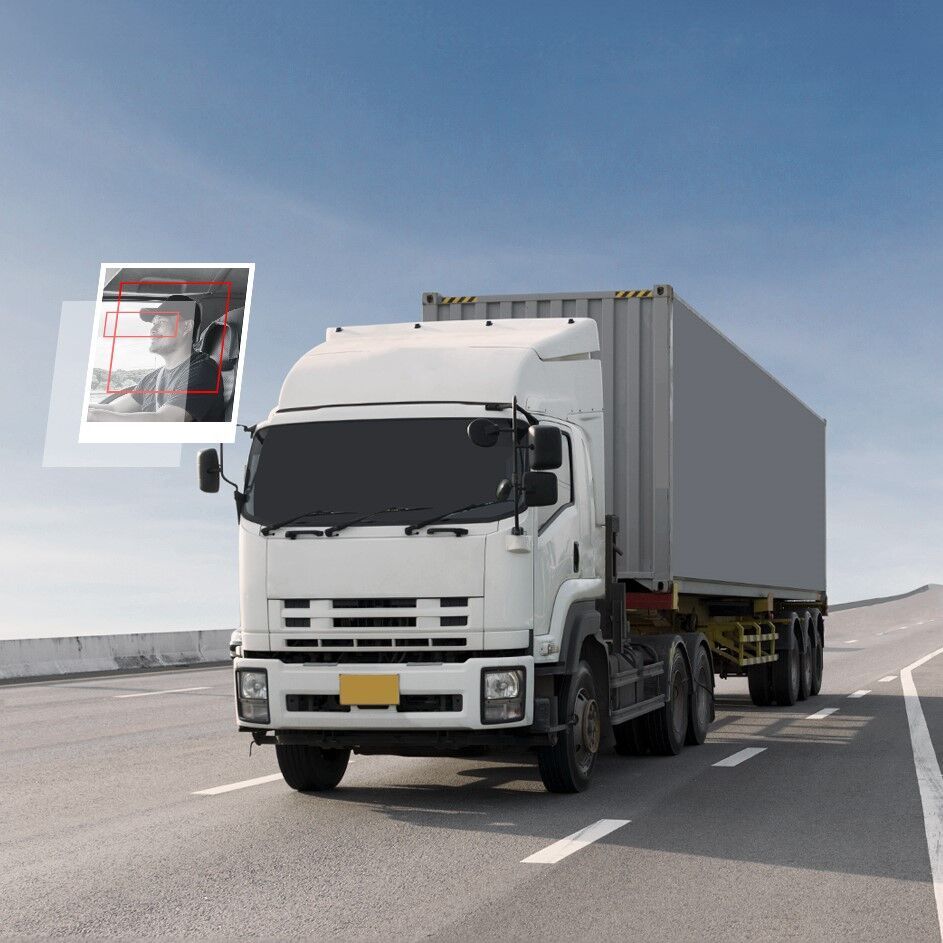
The initiative also involves the development of a real-time Fleet Management System based on IoT technologies. This system allows businesses to track and report on vehicle performance, optimize routes, and continuously monitor the status of their fleets.
Through this collaboration, Wuling and Telkomsel aim to build a more intelligent and connected electric vehicle ecosystem that supports sustainable mobility and enhances operational efficiency throughout Indonesia.
Conclusion
As IoT networks grow more sophisticated, so must the platforms that support them. The IoT Control Center isn’t just about managing the present, but it’s about preparing for the future. With built-in scalability, AI-driven analytics, and seamless integration with existing enterprise systems, it’s designed to evolve alongside your business needs.
Telkomsel Enterprise offers IoT Control Center solutions tailored to the demands of today’s connected business environments. With real-time SIM management, automated provisioning, and advanced security features, it addresses key challenges in asset management, operational visibility, and productivity.
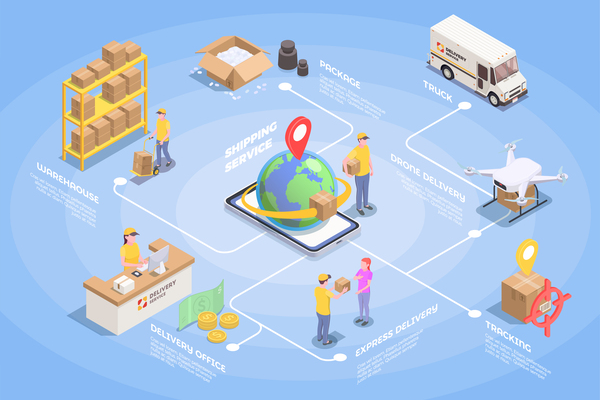
Built for industries ranging from transportation and logistics to banking and public services, IoT Control Center by Telkomsel Enterprise ensures flexibility, scalability, and seamless integration with existing systems.
Ready to transform your IoT strategy? Explore Telkomsel Enterprise’s IoT Control Center solutions and take the first step toward smarter, more secure, and scalable device management.
Contact us today to learn how we can elevate your IoT operations.