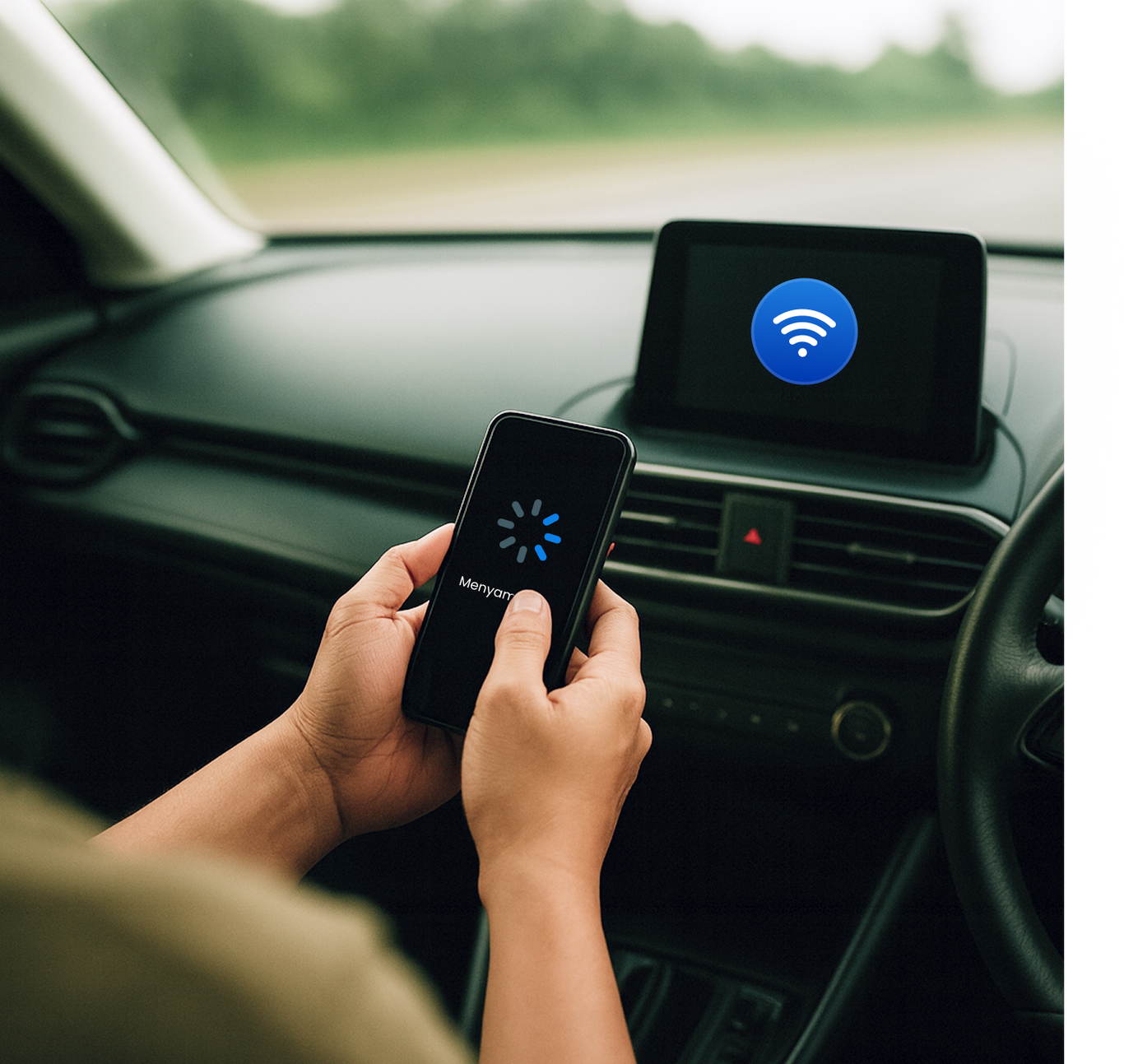





Countless drivers often struggle to find the fastest route or ensure safety while on the road. These challenges might sound familiar and even somewhat traditional. However, the emergence of the Internet of Vehicles (IoV) technology is revolutionizing how these issues are tackled, offering smart solutions for modern driving.
What is Internet of Vehicles (IoV)?
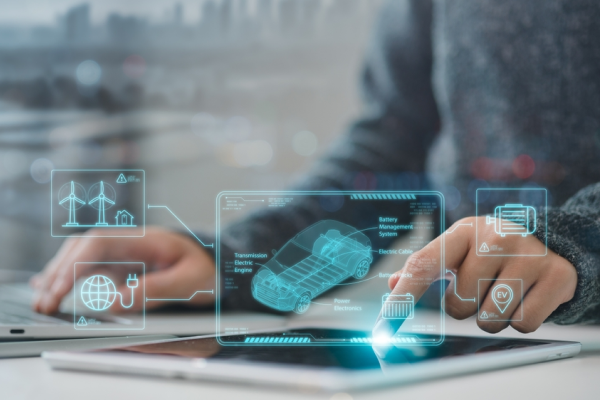
The Internet of Vehicles, or IoV, is an advanced evolution of the Internet of Things (IoT), specially tailored for vehicles. While vehicles once relied solely on conventional systems like brakes or standalone GPS devices, IoV introduces a broader, interconnected system using sensors, internet networks, and intelligent software.
This technology empowers vehicles to communicate not just with their drivers, but also with the surrounding environment and other vehicles on the road. Thanks to IoV, driving experiences become safer, more efficient, and remarkably comfortable.
Main Components of the Internet of Vehicles (IoV)
Behind the seamless operation of IoV lies a complex network of components working in harmony. To better understand, here are the essential building blocks:
1. Sensors and Actuators
Sensors act as the eyes and ears of the IoV system, collecting vital data such as vehicle speed, engine temperature, tire pressure, road surface conditions, weather, and even driver alertness. Meanwhile, actuators function as the system’s hands, executing real-time commands such as adjusting steering, applying brakes, or modulating suspension. Together, they enable the vehicle to perceive and respond to its environment instantly.
2. Communication Networks
The backbone of IoV data transmission is robust communication networks. Utilizing cutting-edge technologies like 5G and GPS, these networks enable real-time data flow and precise vehicle positioning.
3. Computing Systems
Data alone isn’t enough, it must be transformed into insight. Cloud computing plays a key role here, serving as a vast storage and data analysis platform capable of handling large-scale information. On the other hand, edge computing allows for real-time data processing close to its source, either inside the vehicle or at roadside devices.
The synergy between these two technologies enables the Internet of Vehicles (IoV) to make quick, decisive actions. For instance, it can instantly react to avoid potential collisions with other vehicles, providing faster responses than a human driver could.
4. Software Platforms
Software is the backbone that manages the entire workflow of IoV systems. From AI-based navigation to vehicle condition monitoring and security systems, everything is controlled through specialized software.
To interact with the system, users rely on intuitive user interfaces (UI). These interfaces can be in the form of a smartphone app or a control panel within the vehicle. With user-friendly UI designs, drivers can easily customize their preferences and control features, enhancing the overall driving experience.
How the Internet of Vehicles (IoV) Works
At its core, IoV connects vehicles to the internet and harnesses data to enhance safety and comfort during travel. Here's a step-by-step breakdown of how it functions:
1. Data Collection by Sensors
Everything begins with sensors embedded in the vehicle, including cameras, GPS units, temperature gauges, and tire pressure monitors, all continuously gathering critical information about the vehicle and its surroundings.
2. Data Transmission via the Internet
Collected data is not just stored locally but sent over the internet to cloud servers. Leveraging cloud infrastructure enables extensive data storage and complex processing beyond what onboard systems could handle alone.
3. Smart Data Analysis
At this stage, incoming data is processed using algorithms or artificial intelligence technology. Analysis takes place in real time. The system recognizes patterns, detects potential problems, and then predicts next steps.
4. From Data to Immediate Action
Based on analysis, the IoV system can instantly alert drivers to issues like low tire pressure or automatically execute emergency responses such as sudden braking, often faster than human reaction times.
Advantages of the Internet of Vehicles
IoV offers practical solutions to many traffic and safety challenges faced on today’s roads. Here’s how businesses and drivers benefit:
1. Boosts Traffic Efficiency
Traffic congestion can be a nightmare, but IoV-connected vehicles share real-time traffic data to optimize routes. Drivers get redirected to less crowded paths, cutting down travel time, and increasing productivity.
2. Enhances Safety on the Road
IoV technology detects hazards faster than human reflexes. Features like automatic braking, collision warnings, and driver condition monitoring drastically reduce accident risks by providing real-time protection.
3. Improves Driver Comfort
Beyond safety, IoV enriches the driving experience with smart navigation that adapts routes automatically and continuous vehicle condition monitoring. Drivers can relax knowing that unexpected technical issues are less likely to catch them off guard.
4. Maximizes Vehicle Effectiveness
With constant data feedback, IoV identifies potential vehicle malfunctions early. This proactive approach allows for timely maintenance, lowers operational costs, and extends the vehicle’s lifespan.
Elevate Your Business Fleet with LinkCar by Telkomsel Enterprise
The true value of the Internet of Vehicles (IoV) lies not only in its advanced technology but in how it simplifies life, enhances safety, and ensures driving comfort. For business fleets, IoV becomes an indispensable tool to streamline operations and protect assets.
Telkomsel Enterprise’s LinkCar solution brings this innovative experience to your fingertips. Supported by e-SIM and IoT technologies, LinkCar allows seamless monitoring of vehicle conditions, smarter navigation, and entertainment access, creating a safer, more enjoyable driving environment.
Ready to transform your business fleet with Internet of Vehicles technology? Start your consultation with Telkomsel Enterprise today and experience a new level of operational efficiency and driver satisfaction.