



Is Your Ad Budget Truly Paying Off? You may be spending thousands on digital ads, but are you really getting the return you expect?
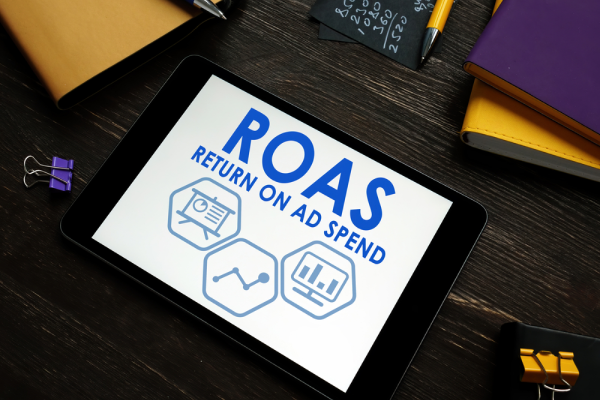
This is where ROAS marketing comes into play. ROAS or Return on Ad Spend, helps you measure how effective your advertising efforts are in generating revenue.
No matter how strong your instincts are, data should always drive marketing decisions. But before diving into strategies, let’s first understand what ROAS is and why it matters.
What Is ROAS in Marketing?
ROAS is a key performance indicator that helps marketers evaluate the effectiveness of their advertising efforts. It measures how much revenue is generated for every unit of currency spent on ads.
In simple terms, ROAS shows whether your marketing investment is yielding profits or not. For instance, if you spend Rp10,000,000 on an ad campaign and generate Rp25,000,000 in revenue, your ROAS is 2.5. This means for every Rp1 spent, you earned Rp2.50 back.
ROAS is particularly valuable because it provides a clear picture of your campaign’s financial impact. Unlike vanity metrics such as clicks or impressions, it ties directly to your bottom line.
Whether you’re advertising on Google, Instagram, TikTok, or a local marketplace, it can help determine which platforms and strategies are actually moving the needle for your business. The higher the ROAS, the better your return on investment and the more justified your ad spend becomes.
Why ROAS is a Critical Metric in Digital Advertising
Understanding ROAS is about more than just numbers. It’s about maximizing your investment and making data-driven decisions. Here’s why ROAS marketing is essential:
1. Helps Allocate Budget More Efficiently
ROAS reveals which campaigns are actually driving revenue. With this data, you can shift your marketing budget to the channels and ads that yield the best results.
2. Improve Campaign Performance
ROAS provides insights into what’s driving results. Whether it’s targeting, messaging, or creative assets, you can refine each element based on actual performance data.
3. Identify the Best Performing Channels
Different platforms yield different results. With ROAS, you can compare performance across channels like Facebook, Instagram, TikTok, and Google Ads and focus on those delivering the best returns.
4. Make Smarter Business Decisions
Relying on guesswork is risky. ROAS provides actionable data that ensures your marketing decisions align with business goals and market demands.
5. Simplify Financial Reporting
ROAS makes it easier to report campaign success to stakeholders. It clearly shows how advertising dollars translate into revenue, improving transparency and accountability.
How to Calculate ROAS Accurately
One of the reasons ROAS is such a popular metric is that it’s relatively easy to calculate. To determine your ROAS, you simply divide the revenue generated from an ad campaign by the cost of the campaign. The formula is:
ROAS = Total Revenue from Ads / Total Cost of Ads
For example, if you spend Rp 40,000,000 on paid social campaigns in a month and generate Rp 160,000,000 in revenue from those ads, your ROAS would be 4.0. This means you’re making Rp 4 for every Rp 1 you spend.
This might seem straightforward, but it’s important to consider all associated costs not just the media spend. Many businesses make the mistake of only looking at ad platform costs and ignore other expenses, which can lead to misleading results.
A true ROAS calculation should include additional fees such as creative production costs, affiliate commissions, software tools, and even internal labor costs where applicable.
What is a Good ROAS? Here's How to Interpret the Results
Understanding what a good ROAS is can vary depending on your industry, profit margins, and business model. However, there are general guidelines that can help assess whether your ROAS is healthy or needs improvement.
1. ROAS = 1
It means your campaign is breaking even, you’re making exactly what you spend. While it’s not a loss, it also means you’re not gaining any profit.
2. ROAS > 1
Indicates a profitable campaign. The higher this number, the more effective your advertising is in generating revenue. Many e-commerce businesses aim for a ROAS of 3 to 5 to ensure healthy margins after accounting for product costs and overheads.
3. ROAS < 1
It's a red flag. This means you're spending more on ads than you're making in return. In this case, it's important to investigate what aspects of the campaign are underperforming, whether it's poor targeting, weak creativity, or inefficient landing pages.
Ultimately, the ideal ROAS depends on your profit margins. For a business with a 50% margin, a ROAS of 2 might be sufficient. However, businesses with thinner margins may need a ROAS of 3 or higher just to break even.
Key Factors to Consider When Measuring ROAS
To get an accurate picture of your advertising performance, don’t just look at top-line revenue and ad spend. Include these often-overlooked costs:
1. Creative Production Costs
Designs, copywriting, video editing if you paid for any creative work related to your campaign, include it in your total cost.
2. Affiliate Commissions
If you run affiliate marketing campaigns, factor in the commission you pay per sale. These costs add up and impact on your overall profitability.
3. Cost Per Click or Impression
Whether you're using CPC or CPM models, every click or impression contributes to your ad spend. Make sure these are included in your calculations.
4. Analytics and Tools
Tools used for tracking, retargeting, or managing campaigns (like Google Analytics, Meta Pixel, or automation software) should also be accounted for.
By factoring in all related costs, you can get a true and comprehensive view of your ROAS and avoid false positives that may mislead your strategy.
7 Proven Strategies to Increase ROAS Marketing Performance
If your ROAS is not where you want it to be, it may be time to optimize your strategy. Here are seven tried-and-true ways to improve your ROAS and maximize every advertising rupiah:
1. Conduct Root Cause Analysis
Start by identifying what’s dragging down your performance. Is your audience too broad? Is your ad copy weak? Are landing pages not converting?
Use analytics tools to dig deep into underperforming areas and create a focused action plan.
2. Strengthen Your Ad Copywriting
Even the most sophisticated campaign will fall flat with weak messaging. Effective copy should resonate with your audience’s needs and emotions.
Use clear language, focus on benefits over features, and incorporate urgency or exclusivity to encourage action. A strong, well-crafted message can dramatically boost click-through and conversion rates.
3. Optimize Your Landing Pages
Many campaigns fail not because of the ad, but because the landing page doesn’t deliver. Ensure your landing page loads quickly, is mobile-optimized, and offers a seamless user experience. Include persuasive elements like social proof, compelling CTAs, and minimal distractions to guide visitors toward conversion.
4. Target the Right Audience
Broad targeting often leads to wasted spending. Instead, segment your audience based on behavior, interests, demographics, or past interactions. Use lookalike audiences, retargeting, and exclusion lists to refine your targeting and ensure your ads reach people most likely to convert.
5. Let Data Drive Your Decisions
Data is your most asset. Analyze your campaign metrics regularly to uncover patterns and insights. Look at conversion rates, cost per acquisition, bounce rates, and revenue per user to make strategic decisions. Use data not just to react, but to proactively plan future campaigns.
6. Cut Ineffective Ad Spend
Not all campaigns or channels are created equal. If certain platforms consistently deliver low ROAS, consider cutting back or reallocating that budget to higher-performing sources.
Focus your resources where they yield the most return, whether it’s paid search, social media, or influencer partnerships.
7. Run A/B Tests for Continuous Optimization
Effective advertising is rarely built on the first try. Conduct regular A/B tests on your ad headlines, visuals, CTA buttons, and landing page layouts. Small changes can have a big impact. Over time, testing and iterating will help you identify what truly resonates with your audience and what drives the highest ROAS.
Scale Smarter with DigiAds by Telkomsel
Remember: great advertising doesn’t happen overnight. It takes testing, optimization, and smart data usage. But with the right approach, you can turn every ad dollar into real, measurable profit.
That’s where DigiAds by Telkomsel Enterprise comes in. DigiAds offers advanced audience targeting, a variety of ad formats, and comprehensive reporting tools that make it easier to plan, execute, and measure your campaigns with precision.
With DigiAds, you can build smarter, more effective campaigns that deliver real results and help you achieve your business goals faster. Whether you're a startup or an enterprise-level business, DigiAds helps you get the most out of your marketing investment.
Don’t let your ad budget go to waste. Discover how DigiAds can help you optimize your campaigns and achieve measurable business growth. Contact our team today to learn more.