





Thousands of fleets operate daily, consuming millions of liters of fuel, where punctuality stands as a non-negotiable standard. In the transportation and logistics industry, every second and every kilometer holds significant value. So, what happens if all these elements are not managed optimally?
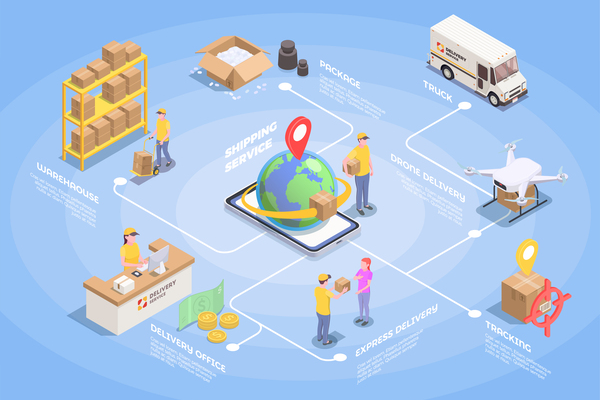
For businesses in this sector, operational efficiency is one of the key keys to winning the competition. The challenge lies in building a system capable of integrating fleets, fuel, drivers, and schedules effectively and sustainably.
What Is Operational Efficiency?
Before diving into solutions, let's first define what operational efficiency actually means. Simply put, operational efficiency is the ability of a company to produce the best possible goods or services while minimizing resources, time, and costs.
If you can deliver the same amount of goods with less fuel consumption and faster travel times, then you've achieved operational efficiency. In an economy where stakeholder pressures are mounting, achieving efficiency has become a necessity. In fact, a global survey shows that 77% of CEOs prioritize operational efficiency as a key factor for driving revenue growth.
In an increasingly competitive market, operational efficiency often distinguishes between companies that survive and those that fail. For businesses that manage to improve operational efficiency, the reward is faster for service at more competitive prices, without compromising quality.
The Importance of Operational Efficiency in the Transportation and Logistics Industry
The transportation and logistics industry is known for its complex cost structures. Fuel, fleet maintenance, driver salaries, and downtime costs all contribute to operational expenses. Even small inefficiencies can have a significant impact on profits.
Operational efficiency helps companies reduce unnecessary maintenance costs. Moreover, it is closely tied to safety and long-term business sustainability. With an efficient system, you can ensure that every fleet unit, whether trucks, trailers, or heavy equipment, operates at its optimal capacity.
Benefits of Operational Efficiency
What can you expect when you successfully implement operational efficiency strategies? The benefits are extensive and directly impact the success of your business. Here are some of the most noticeable advantages:
1. Healthier Profit Margins
By reducing operational costs without sacrificing service quality, your profit margins naturally increase. This opens more financial room for growth.
With healthier margins, businesses can invest in new technologies such as Fleet Management Systems or IoT, improve workforce training, and expand their business network by adding more fleets and distribution routes.
2. Maintaining Customer Satisfaction
Customers in the logistics industry are not only purchasing delivery services, they are buying certainty. Certainty about timeliness, the condition of their goods, and transparency of information are crucial factors in gaining trust.
Operational efficiency ensures that the delivery process is more controlled. Potential damage to goods can be prevented by real-time fleet monitoring. When customers experience consistent service, they are more likely to remain loyal.
3. Improved Competitiveness
The logistics and transportation industries are highly price-sensitive. On the other hand, service quality demands are high.
Efficient companies tend to have leaner cost structures, which is why they can offer more competitive rates without compromising service quality. Efficient management keeps your company in a strong and relevant position within the industry.
How to Improve Operational Efficiency with Technology?
Achieving operational efficiency is challenging when relying solely on manual methods. To enhance operational efficiency, adopting technology becomes the most effective approach. But how can businesses improve their operational efficiency by utilizing technology?
1. Implementing Technology and Automation
Technology is the backbone of modern efficiency. Data-based management systems like ERP (Enterprise Resource Planning) and inventory management software help companies integrate various operational functions into one platform.
Processes that were previously manual can be automated. The risk of human error can be suppressed, and decision-making can be done faster. This is a crucial part of strategies for improving operational efficiency in the modern era.
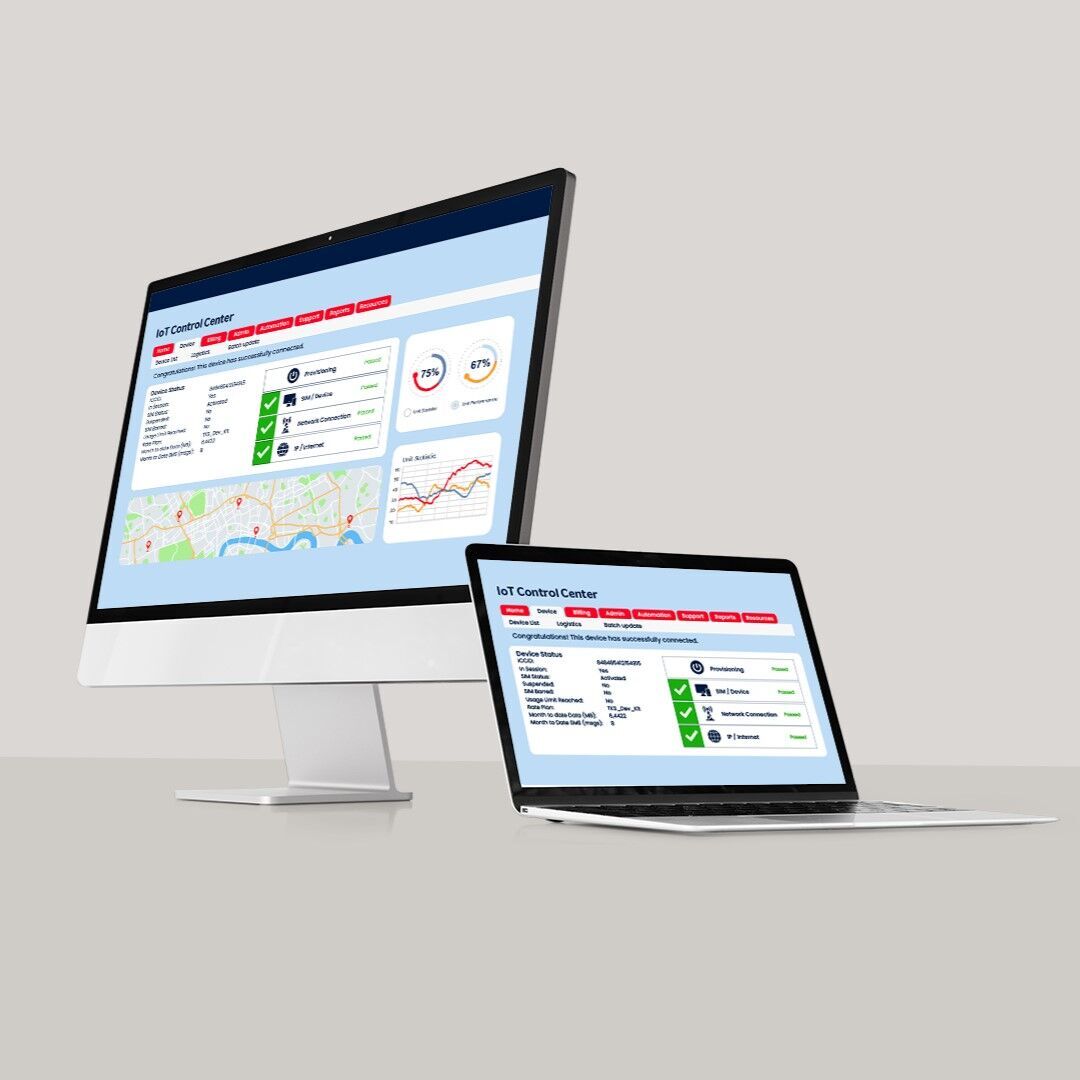
In the context of transportation, a Fleet Management System plays an important role. Through this system, companies can monitor vehicle locations, driver behavior, and fleet conditions in real-time.
2. Leveraging the Internet of Things (IoT) for Asset Monitoring
With IoT technology, businesses can gain real-time data on things like tire pressure and engine temperature. Armed with this data, businesses can implement predictive maintenance, meaning maintenance is performed based on actual asset conditions, not just a regular schedule. This can help extend the lifespan of assets and avoid sudden repair costs.
Additionally, IoT helps businesses track fleet usage patterns. Are certain vehicles idle too often? Are there routes that waste fuel? All these insights can be derived from data analysis.
3. Optimizing Fuel Management Systems
Fuel is one of the largest operational costs in transportation. Without an effective monitoring system, waste can occur without being noticed.
Fuel management systems allow businesses to monitor fuel consumption in detail, identify inefficient driving behaviors, and create more cost-effective refueling strategies. With accurate data, companies can reduce cost leaks while improving fuel usage efficiency.
FleetSense by Telkomsel Enterprise: The Foundation of an Efficient, Safe, and Growth-Ready Fleet
Achieving operational efficiency is only possible when a company has full visibility into its fleet. FleetSense from Telkomsel Enterprise provides real-time insights regarding vehicle performance, ranging from engine temperature, tire pressure, to fuel consumption.
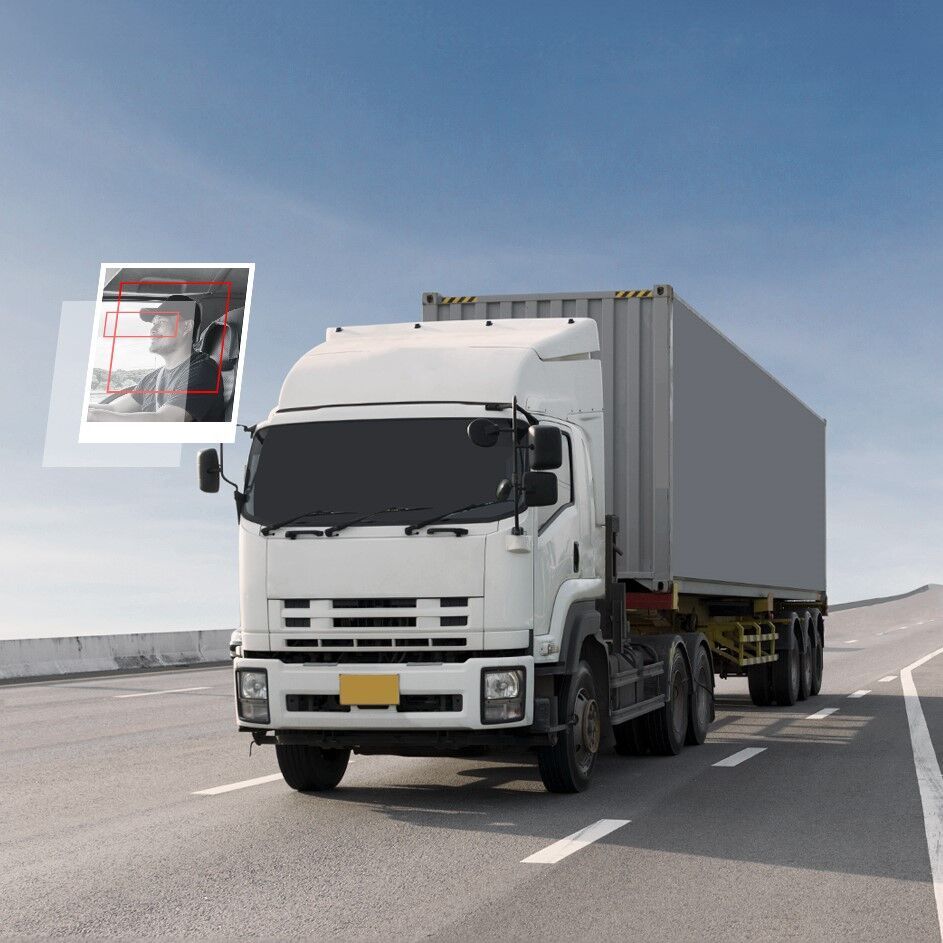
Supported by AI-powered visual intelligence, FleetSense also enhances fleet safety by monitoring vehicle behavior and protecting both drivers and passengers. Data on engine temperature, tire pressure, and fuel usage can be analyzed to prevent damage and improve fleet operational efficiency.
With an integrated system, FleetSense becomes the foundation for a more productive, safe, and ready-to-grow fleet transformation along with business needs.