


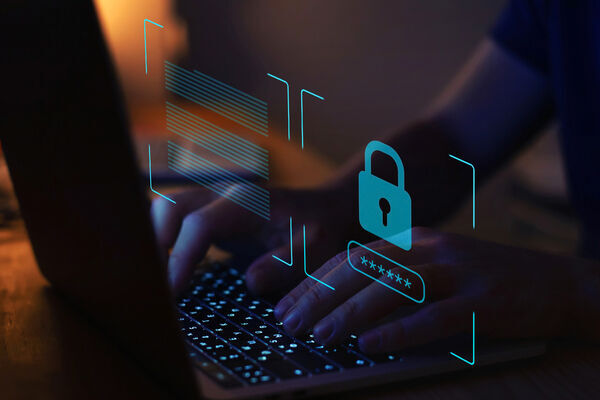


Every day, people interact with countless online services, from banking transactions to sharing personal moments on social media. But as the volume of shared data grows, so do the risks. Cybercriminals are constantly on the lookout for digital footprints that can be exploited for malicious purposes.
One of the most effective solutions gaining traction today is seamless authentication. But why is this technology crucial in safeguarding our information? Let’s first understand what personal data really is and why it’s so important to protect it.
What is Personal Data and Why is it Important?
You’ve probably come across the term personal data frequently, but what does it truly encompass?
In simple terms, personal data refers to any information that can identify an individual, either directly or when combined with other data. While your full name might seem generic, pairing it with your birthdate, address, or phone number turns it into a clear identifier.
According to regulations like Indonesia’s Personal Data Protection Law, examples of personal data include:
-
National ID numbers (NIK) and Family Card (KK) numbers
-
Birth dates and significant life events
-
Family information such as parents' NIK
-
Medical records, including physical or mental health conditions
-
Online browsing history and shopping preferences
-
App usage patterns
In short, anything that can be traced back to you, even indirectly, is considered personal data.
What Are the Threats to Personal Data?
Even seemingly harmless details like your email or location can become a goldmine for cybercriminals. Here are some common threats to personal data:
1. Identity Theft
Cybercriminals can steal your NIK, credit card info, or email credentials to impersonate you, opening bank accounts, making fraudulent purchases, or even committing crimes under your name.
2. Phishing Attacks
Fraudulent emails or messages disguised as legitimate institutions trick users into revealing passwords or financial details. Once obtained, this data can be misused for illegal activities.
3. Malicious Apps
Many apps request unnecessary permissions like access to your contacts or location. If misused, this personal data can expose your habits and routines to third parties.
4. Data Breaches
Even trusted companies aren’t immune to breaches. Poorly secured systems can result in customer data being leaked or sold on the dark web.
5. Digital Blackmail
Cybercriminals may exploit sensitive photos, private messages, or videos to coerce victims into paying money or sharing more data.
Why is it Important to Protect Personal Data?
The risks may seem distant, until they happen to you. Here’s why securing your data is non-negotiable:
1. Prevent Identity Misuse
Protecting your personal data example like NIK or phone numbers, prevents criminals from using them to commit fraud or open fake accounts.
2. Avoid Online Harassment
Information like gender or address can be used to target individuals with threats or harassment, especially on social platforms.
3. Protect Your Right to Privacy
Personal data is part of your human rights. You deserve control over who accesses it and how it's used.
4. Minimize Financial Loss
Data leaks often lead to financial damage. Securing personal data helps prevent unauthorized transactions and theft.
5. Build Better Digital Awareness
Knowing how to protect personal data encourages safer online behavior, which benefits both individuals and organizations.
How to Protect Personal Data
Worried? Don’t be. You can take proactive steps today to shield your information. Here’s how to protect personal data effectively:
1. Use Strong, Unique Passwords
Passwords are your first line of defense in protecting your online accounts. A weak or commonly used password like "123456" or "password", can be cracked in seconds by hackers.
2. Stay Vigilant Against Suspicious Links
Phishing is one of the most common methods cybercriminals use to steal personal data. They disguise emails or messages to look like they’re from legitimate sources such as your bank, your boss, or even a government agency.
3. Limit Personal Sharing on Social Media
While social media is a great way to stay connected, it can also expose more about your life than you intend. Hackers and identity thieves often gather clues from public posts.
Even something as innocent as tagging your workplace or sharing a selfie with your badge visible can give criminals just enough information to exploit.
4. Use VPNs on Public Wi-Fi
Public Wi-Fi networks in cafes, airports, or malls are convenient, but they’re also prime hunting grounds for cybercriminals. These networks often lack proper security, allowing hackers to intercept the data you send.
5. Only Download Trusted Apps
Not all apps are created equally. Some are designed with hidden malware that collects your personal data without your consent. Avoid downloading .apk files or jailbreaking your phone unless you know exactly what you’re doing.
6. Keep Software Updated
Software updates aren’t just about new features, they also include important security patches. If you skip them, your device could be vulnerable to attacks.
Turn on automatic updates when available so your systems stay protected in real time.
7. Browse in Incognito Mode
Use private or incognito browsing modes when using public computers or researching sensitive topics.
8. Encrypt Your Important Files
Encryption turns your data into unreadable code that can only be unlocked with the correct key or password. This adds a vital layer of protection, especially for sensitive files like financial records, legal documents, or private conversations.
Telco Verify: Implementing Seamless Authentication in Protecting Personal Data
As threats grow more sophisticated, businesses must embrace advanced security technologies. Seamless authentication provides powerful, user-friendly protection without disrupting digital experiences.
Telco Verify by Telkomsel Enterprise exemplifies this shift. It leverages network-based authentication, eliminating the need for manual passwords or tokens. Users enjoy a smoother login experience while organizations gain enhanced data security.
By adopting solutions like Telco Verify, businesses and individuals alike can ensure robust protection of personal data, paving the way for a safer digital future.