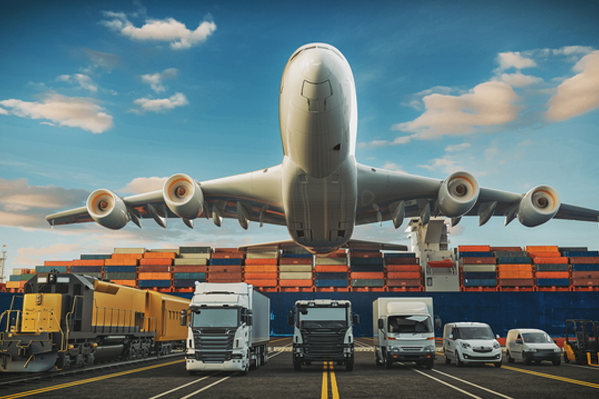






The logistics industry faces constant pressure to deliver goods quickly and securely, all while managing operational costs. One key factor that supports this balance is effective route planning, a strategic approach to optimizing the distribution process.
So, what exactly is route planning, and how can your company leverage it to ensure customer satisfaction amidst fierce competition? Read on for a comprehensive breakdown!
What is Route Planning?
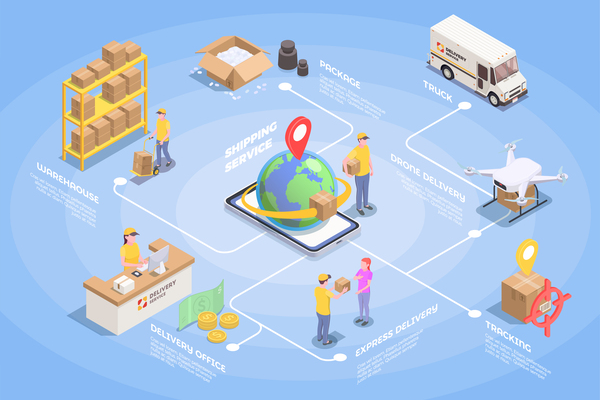
Route planning is the process of designing the most efficient delivery routes for operational vehicles or logistics fleets. The goal is to determine the best paths to reach delivery destinations, considering various factors such as distance, road conditions, travel time, vehicle capacity, and fuel costs.
Simply put, route planning helps businesses decide “how” and “where” their fleets should move to deliver goods in the most efficient manner. This practice is not only vital for large-scale logistics companies but also essential for retailers, manufacturers, and e-commerce delivery services.
Why is Route Planning Important for Business?
Here’s why route planning is crucial for businesses, particularly in the logistics industry:
-
Boosting Business Productivity
A solid route planning strategy allows businesses to streamline their delivery schedules. Drivers no longer have to guess the fastest routes, systems calculate the best paths based on real-time data. As a result, travel times are reduced, delivery volumes increase, and fleet productivity improves significantly.
-
Reducing Transportation Costs
One of the most significant benefits of effective route planning is the reduction in operational expenses. Efficient routes mean less fuel consumption, shorter travel distances, and reduced vehicle maintenance needs. Over time, these savings directly impact your company’s profitability.
-
Optimizing Fleet Safety
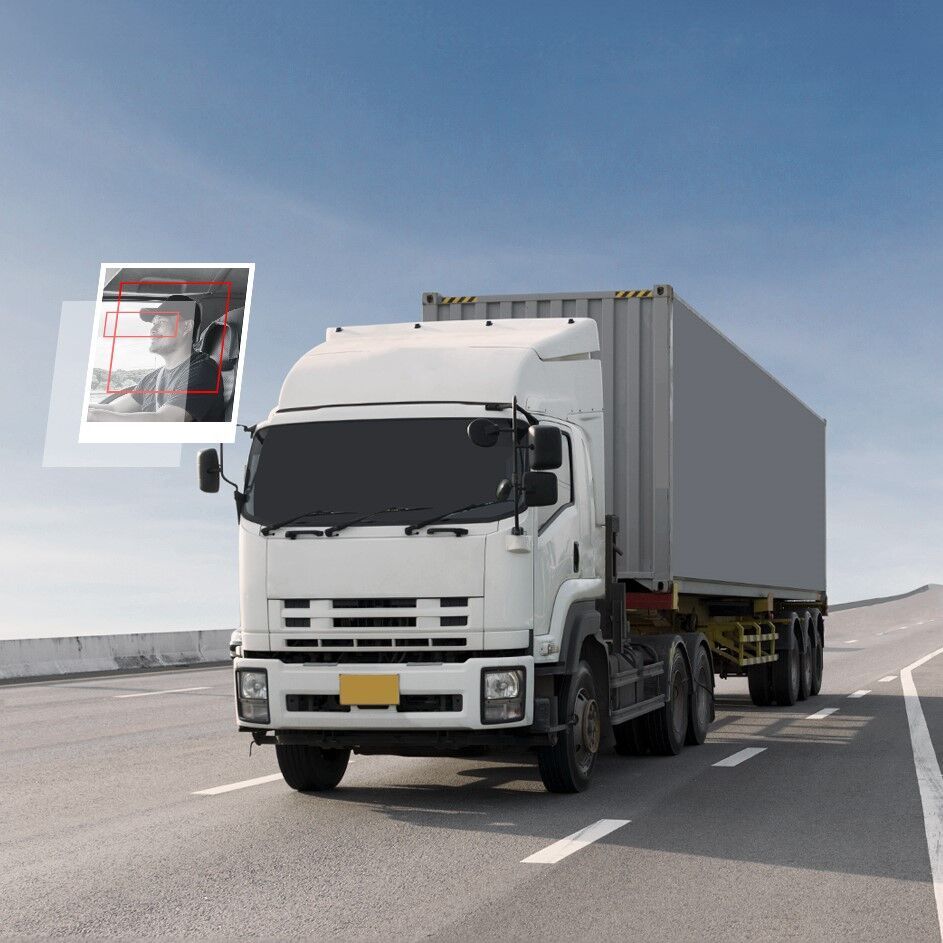
Route planning goes beyond efficiency; it also enhances safety. Modern route planning systems can account for risks such as poor road conditions, traffic congestion, and extreme weather. By directing drivers to safer, more stable routes, the system reduces the risk of accidents and damage to goods.
-
Enhancing Customer Service Efficiency
Fast and accurate delivery times are key indicators of customer satisfaction. Route planning ensures that goods arrive on time, often allowing companies to provide customers with precise delivery estimates. This efficiency builds trust and strengthens customer loyalty to your logistics services.
-
Supporting Better Business Planning
The data generated from route planning systems allows businesses to perform in-depth analyses of distribution performance. Metrics like travel time, fuel consumption, and fleet productivity help form data-driven strategies that enhance long-term business decisions.
Types of Route Planning Methods
Different methods and technologies are used in route planning to suit various business needs:
-
Multi-Stop Route Planning
This method is used for fleets that need to make multiple deliveries in one trip. The system calculates the best sequence of stops and the most efficient route to minimize fuel use and time.
-
Closed Route Planning
In this system, vehicles return to the starting point after completing all deliveries. It's commonly used for internal logistics services or transporting raw materials to and from factories.
-
Open Route Planning
Unlike closed routes, open route planning does not require the vehicle to return to its origin. This method is more efficient for long-distance deliveries or one-way routes, such as distributing goods from a central warehouse to regional branches.
-
Dynamic Route Planning
Dynamic route planning adjusts in real-time based on changing conditions like traffic, weather, or delivery schedule modifications. This technology allows businesses to quickly adapt to external variables and keep operations running smoothly.
Technologies Powering Route Planning
To implement efficient route planning, companies need advanced technology that can integrate data and provide real-time analytics. Some key technologies include:
-
GPS (Global Positioning System)
GPS technology provides precise vehicle tracking, enabling businesses to monitor fleets in real-time and assess the effectiveness of chosen routes.
-
Artificial Intelligence (AI)
AI processes vast amounts of data and recommends the most efficient routes. It can analyze travel patterns, predict travel times, and automatically adjust routes when disruptions occur.
-
Cloud Computing
Cloud technology offers flexible storage and processing capabilities. By hosting route planning systems on the cloud, logistics companies can access their data from anywhere, facilitating collaboration across departments.
-
Internet of Things (IoT)
IoT connects various devices in the vehicle, providing real-time data on machine conditions, fuel levels, cargo temperature, and driver behavior. This data is crucial for improving both the efficiency and safety of distribution processes.
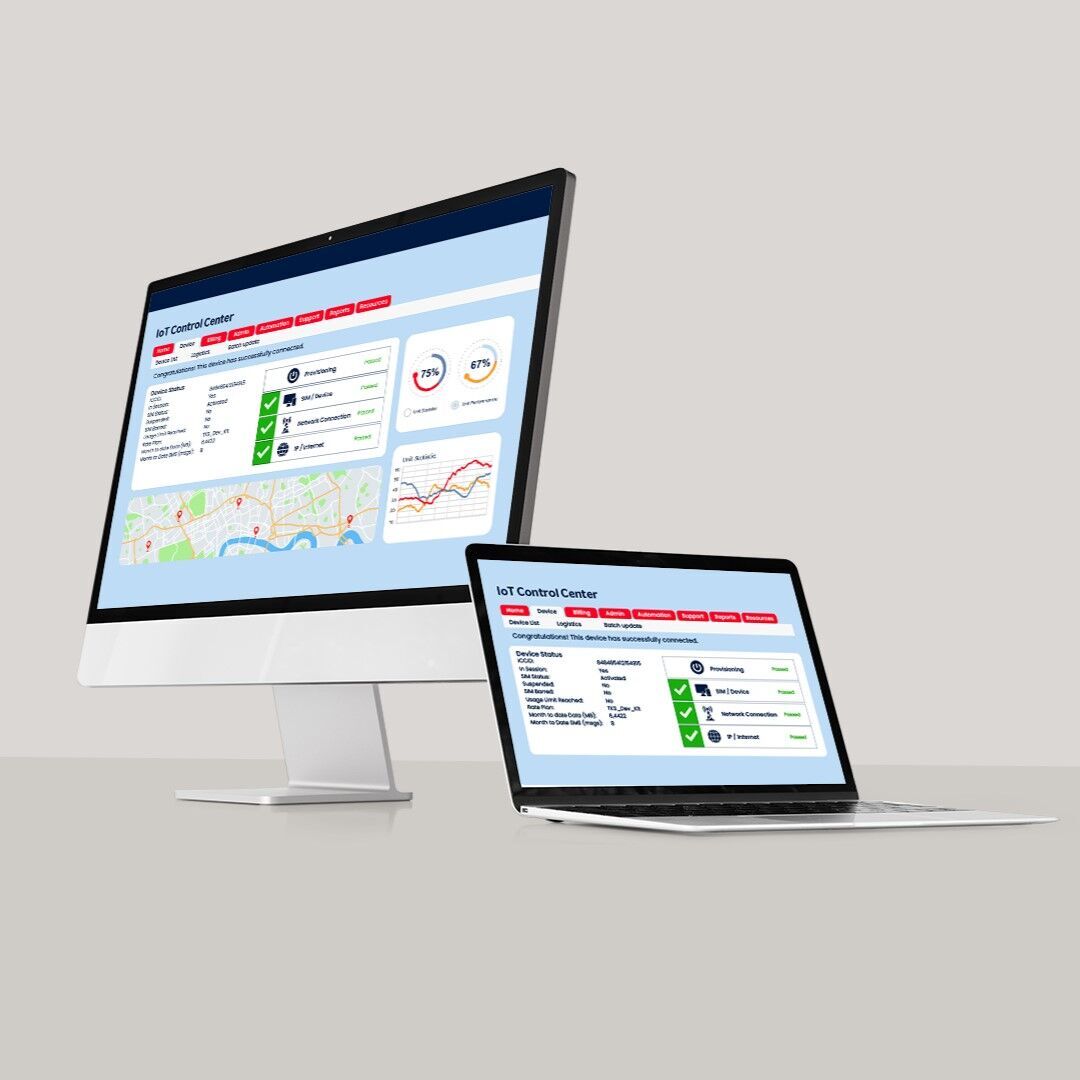
One of the IoT-based solutions that can enhance modern route planning is IoT FleetSense from Telkomsel Enterprise. Not only does it analyze fleet movement data in real-time, but IoT FleetSense also provides accurate insights into travel patterns, journey durations, and vehicle conditions.
With IoT FleetSense, route planning becomes more precise, efficient, and adaptable to on-the-ground conditions. To optimize distribution processes and fleet management, leverage the IoT FleetSense digital solution from Telkomsel Enterprise, ensuring your logistics operations are more efficient, secure, and productive.
Visit Solution Day 2025 panel discussion to learn how IoT solutions by Telkomsel Enterprise can boost fleet productivity and connectivity.