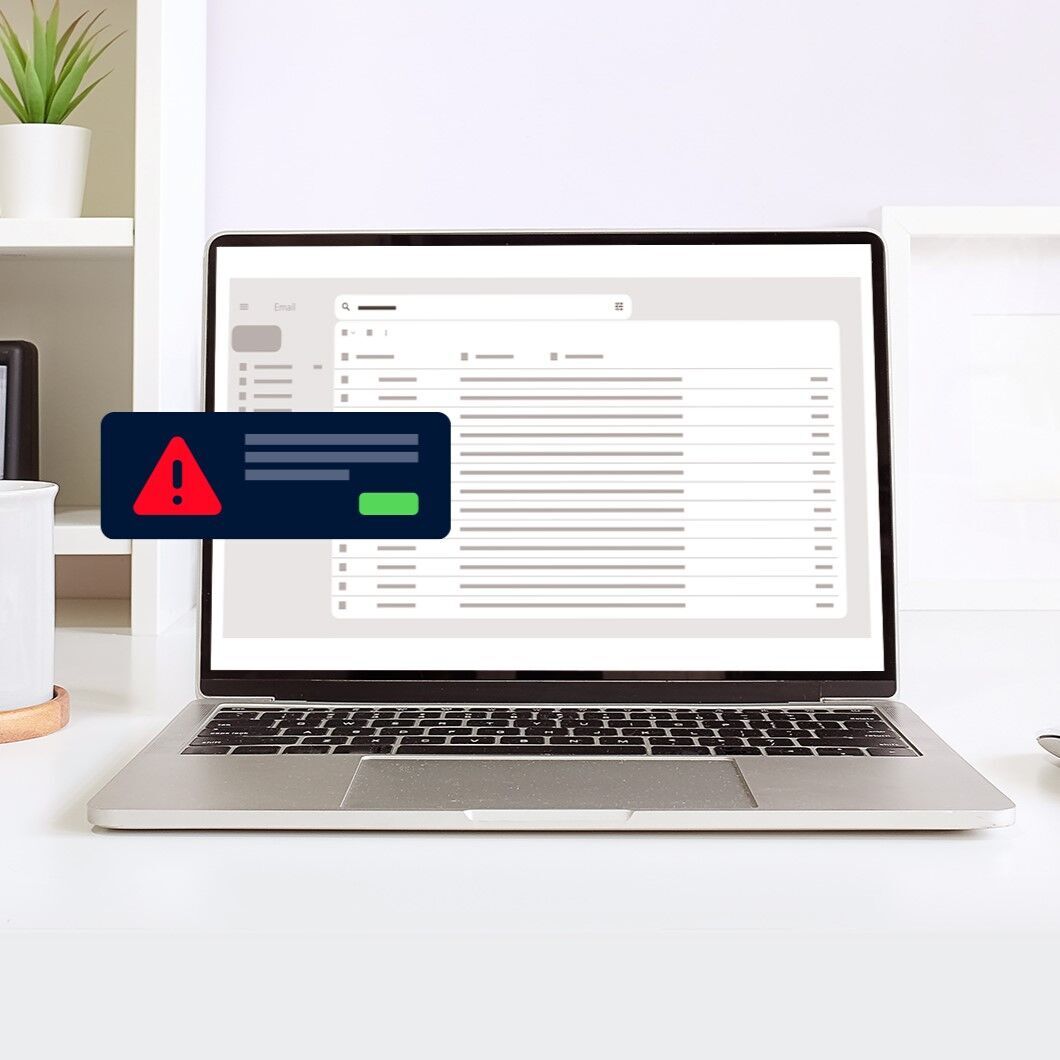



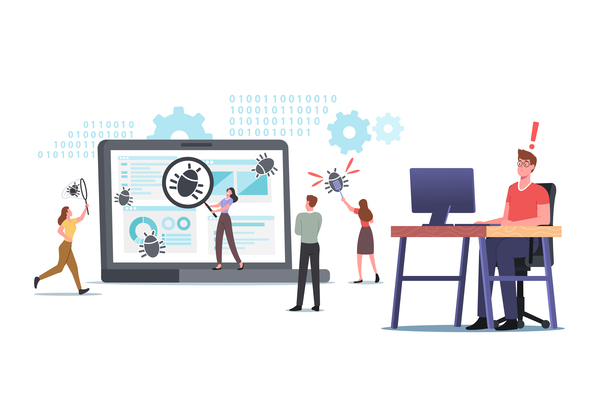


Combining threat intelligence, anomaly detection, and automated response protocols, Detection and Response (D&R) systems deliver proactive defense against ever-evolving cyber threats.
From small businesses to global corporations, no organization is immune to the growing tide of digital dangers. These attacks inflict not only financial losses but also erode trust, damage reputations, and disrupt critical business operations.
Statistics reveal that every 39 seconds, a company falls victim to a cyberattack, highlighting the urgent need for constant vigilance. Within just six months, over 800,000 malicious domain names have been detected, emphasizing the scale of the threat landscape.
Relying solely on building digital firewalls is no longer enough to withstand relentless cyberattacks. Proactive risk mitigation has become the cornerstone of effective cybersecurity. This is precisely where Detection and Response systems play a vital role. Acting as vigilant guardians, these advanced tools continuously monitor networks and systems, detecting even the smallest signs of suspicious activity.
Traditionally, cybersecurity approaches have been reactive, with incident response teams scrambling to contain damage after an attack occurs. Detection and Response systems shift this paradigm by focusing on proactive prevention rather than mere damage control.
The Growing Complexity of Cyber Threats
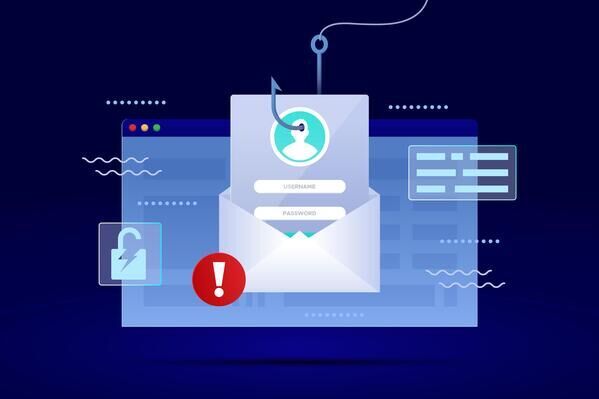
Cyberattacks have evolved far beyond basic viruses or malware. Today’s threat actors deploy highly advanced tactics such as phishing campaigns, ransomware attacks, targeted intrusions, and data exfiltration techniques designed to exploit vulnerabilities in corporate IT infrastructures.
With rapid technological advancements, attackers now wield tools and methods that can bypass even the most fortified defenses. This evolution has significantly increased the risk of data breaches, financial loss, reputational damage, and operational disruptions, making it imperative for organizations to adopt a forward-thinking cybersecurity strategy.
Traditional reactive approaches, where incident response teams scramble to contain damage post-attack, are no longer viable. Instead, companies must shift toward proactive cyberattack prevention, focusing on early detection and swift mitigation before threats escalate.
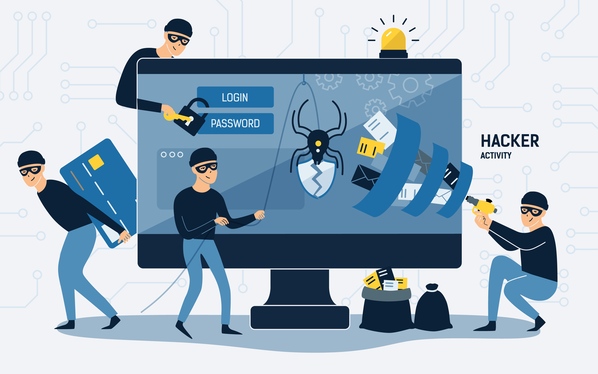
Why Detection and Response Systems Are Essential
When it comes to learning how to prevent cyberattacks, Detection and Response (D&R) systems offer a comprehensive framework for identifying, analyzing, and neutralizing threats in real-time.
Unlike legacy systems that rely on static firewalls and outdated antivirus software, D&R platforms leverage continuous monitoring, behavioral analytics, and machine learning to detect anomalies and suspicious patterns.
Key components of modern D&R systems include:
-
Threat Intelligence: Real-time data gathering and analysis of emerging vulnerabilities and attack trends.
-
Anomaly Detection: Identification of behaviors that deviate from the norm, signaling potential attacks.
-
Log Analysis: Constant monitoring of system logs to trace unauthorized access or suspicious activity.
-
Endpoint Protection: Safeguarding individual devices from malware and cyber exploits.
-
Automated Incident Response: Triggering rapid countermeasures to isolate and neutralize threats before they spread.
Choosing the Right Detection and Response System
Selecting the most suitable D&R system is a strategic decision that can make or break your cybersecurity posture. Not all systems are created equal, and different business environments require different approaches.
Here are the main types of D&R systems:
-
Network-Based: Monitors traffic across your entire network for abnormal behavior.
-
Host-Based: Focuses on protecting specific devices and endpoints.
-
Cloud-Based: Offers flexible, scalable solutions aligned with cloud infrastructure.
When evaluating a D&R solution, consider the following:
-
Deployment Model: On-premises, cloud, or hybrid.
-
Scalability: Ability to adapt to evolving network needs.
-
Integration: Compatibility with existing security tools and infrastructure.
-
Threat Intelligence Access: Access to real-time updates on emerging threats.
-
Cost vs. ROI: Aligning budget limits with potential benefits.
Your chosen system should not only offer cutting-edge technology but also seamlessly integrate into your current IT ecosystem to deliver maximum protection with minimal disruption.

Implementing and Maintaining Your D&R System
A successful D&R implementation goes beyond installing software, but it involves people, processes, and ongoing management. Here’s a step-by-step guide to ensure your system is deployed and maintained effectively:
-
Assessment & Planning: Identify system vulnerabilities and map out response strategies.
-
Deployment & Configuration: Customize system settings to match your business needs.
-
Integration: Connect the D&R platform with other security tools and platforms.
-
Training & Awareness: Equip your IT team with the skills to manage and optimize the system.
-
Testing & Validation: Simulate attacks to test system readiness and adjust configurations.
-
Continuous Monitoring & Maintenance: Keep systems updated, adapt to threat trends, and ensure consistent performance.
Remember, cybersecurity is not a one-time task. It’s a continuous process of improvement and adaptation. A well-maintained D&R system is crucial for staying ahead of constantly evolving cyber threats.
Real-World Applications: Case Studies in Cyberattack Prevention
To illustrate how D&R systems operate in real-world scenarios, let’s explore two industry case studies:
1. Financial Industry Case
A major bank integrated a D&R platform equipped with log analysis and endpoint protection features. The system successfully identified a sophisticated phishing attempt targeting customer credentials.
Thanks to early detection and automated containment, the bank prevented a potential data breach, safeguarding both sensitive information and customer trust.
2. Technology Industry Case
A tech firm with a complex IT infrastructure deployed an AI-driven D&R solution. During routine monitoring, the system flagged unusual behavior indicative of ransomware activity.
The platform isolated the affected endpoint and initiated a rollback procedure, stopping the attack before any files were encrypted. This case highlights the importance of adaptive systems capable of responding to novel threats in real time.
These examples demonstrate how D&R systems serve as a vital line of defense, enabling organizations to neutralize threats swiftly and effectively.
Conclusion
The digital battlefield is expanding, and cybercriminals are becoming more strategic. In this environment, knowing how to prevent cyberattack is not just beneficial, but it’s essential.
Detection and Response systems are no longer optional add-ons, but they’re core components of modern cybersecurity. They enable businesses to identify, isolate, and neutralize threats in real-time, ensuring minimal disruption and stronger data protection.
For businesses seeking expert guidance, Telkomsel Enterprise provides a robust Managed Detection & Response (MDR) solution. Designed to defend corporate devices from ransomware and other cyber threats, MDR offers cost-effective protection with over 1,668 satisfied clients relying on its capabilities.
With benefits like budget efficiency, up to 70% improvement in threat response effectiveness, and seamless integration with global IT teams, Telkomsel Enterprise’s MDR solution empowers businesses to mitigate risks and secure their future.
Cyberattacks won’t wait, neither should you. Get in touch today to learn how our solutions can help you prevent cyberattacks and protect your businesses' future.