


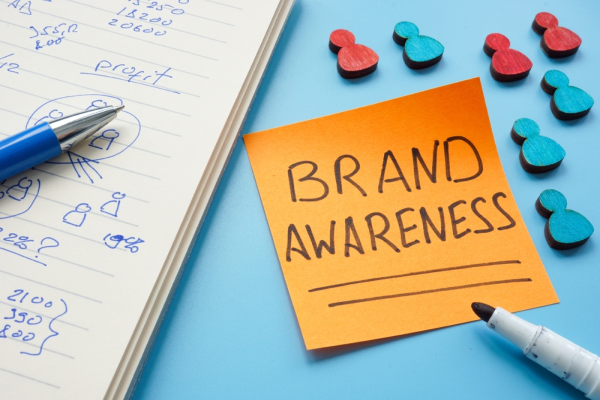


Brand awareness is a crucial factor in building a successful business. The more recognizable a brand is, the more likely it is to attract new customers and maintain loyalty among existing ones.
However, building strong brand awareness doesn’t happen overnight, it requires strategic, ongoing efforts.
What is Brand Awareness?
Brand awareness refers to the extent to which consumers can recognize or recall a brand. This recognition may come from distinctive elements like logos, color schemes, symbols, or other visual cues that embody a brand's identity.
For businesses, understanding brand awareness is vital, as it directly impacts consumer decision-making. Customers are more likely to purchase from brands they recognize and trust. By focusing on building strong brand recognition, businesses can develop effective marketing strategies that resonate with their target audience.
Brand Awareness Strategies and Examples
Building strong brand awareness is key to standing out in a crowded marketplace. Brands that successfully create recognizable identities often enjoy a competitive edge. Below are some successful brand awareness examples and strategies used by top brands:
Iconic Slogan Brands
Many well-known brands use memorable slogans that resonate with their audience, strengthening their identity and ensuring they remain top-of-mind for consumers.
Strategy Used:
-
Collaborating with celebrity ambassadors.
-
Implementing catchy, inspirational slogans.
-
Keeping logos simple but recognizable.
-
Maintaining a strong presence on digital platforms and social media.
Brands With Recognizable Symbols
Some brands rely on unique symbols such as specific colors or shapes that are easily associated with their identity. These symbols create a strong visual connection between the brand and the consumer.
Strategy Used:
-
Creating iconic logos and color schemes.
-
Developing memorable mascots or characters.
-
Consistently presenting products and services worldwide.
-
Running massive advertising campaigns across various platforms.
Innovation and Design-Centric Brands
Certain brands gain recognition for their product design and innovative approaches, making them synonymous with high-quality and cutting-edge solutions.
Strategy Used:
-
Featuring sleek, minimalist product designs.
-
Introducing exclusive packaging or user experiences.
-
Running campaigns centered around innovation and a premium lifestyle.
-
Fostering customer loyalty through a cohesive ecosystem of interconnected products.
Brands That Use Emotional Storytelling
Some companies successfully build brand awareness through emotional marketing, using color schemes, design, and storytelling that trigger positive emotions in their audience.
Strategy Used:
-
Consistently using distinct colors or fonts across packaging and promotional materials.
-
Launching emotionally charged campaigns focusing on themes like togetherness, happiness, or diversity.
-
Offering personalized experiences that engage consumers directly.
-
Sponsoring major events that attract a global audience.
Market Dominant Brands
These are brands that have achieved such high recognition that their names become synonymous with a category of products, even influencing everyday language.
Strategy Used:
-
Creating products are used by millions or even billions of people worldwide.
-
Innovating to make products or services more practical and accessible.
-
Dominating both digital and physical markets.
The Importance of Brand Awareness in Business Strategy
Strong brand awareness allows businesses to capture the attention of consumers more easily, ultimately boosting customer loyalty. But why is brand awareness so crucial for business success?
Building Consumer Trust
When consumers are familiar with a brand, they are more likely to trust it. This trust is essential in forming long-lasting relationships with customers and ensuring repeat business.
Differentiating from Competitors
In a crowded market, brand awareness helps businesses stand out. Well-known brands are more likely to be remembered and chosen by customers over lesser-known competitors.
Encouraging Purchase Decisions
Consumers are more inclined to buy from brands they know and trust. Strong brand awareness reduces the amount of effort required to convince customers to make a purchase, helping businesses boost their sales.
Fostering Customer Loyalty
A trusted and familiar brand is more likely to retain loyal customers. Once consumers become accustomed to a brand, they are less likely to switch to competitors, ensuring long-term profitability.
Simplifying Marketing Efforts
When brand awareness is high, businesses can focus less on convincing consumers of product quality. Marketing efforts become more effective as customers are already familiar with and interested in the brand.
Stages of Brand Awareness
In marketing, brand awareness is often visualized as a pyramid with four distinct levels or stages. Each stage reflects how familiar consumers are with your brand, from complete unawareness to being their first thought when considering a product category.
Understanding these stages helps you tailor your strategy and move potential customers up the ladder toward stronger recognition and loyalty.
Unaware of the Brand
At this stage, consumers have no awareness of the brand’s existence. Despite the brand's presence in the market, consumers may never have heard of or interacted with it.
Brand Recognition
This level marks the point where consumers can identify your brand after seeing a cue, such as your logo, packaging, or slogan. They might not recall your brand spontaneously, but they recognize it when prompted.
Recognition is the first step toward building familiarity. It’s often achieved through repeated exposure across ads, social media, and other marketing channels.
Brand Recall
At this stage, consumers can remember your brand without any cues. They’ve either used your product before or seen consistent messaging that made an impression.
Brand recall is a strong indicator that your brand is starting to stand out in a competitive space. It typically results from effective advertising, memorable experiences, and consistent storytelling.
Top of Mind
This is the goal of any brand awareness strategy. At this level, your brand is the first one that comes to mind when someone thinks of a specific product or service category.
For example, if someone says, “search engine” and the first thing that pops into their head is “Google,” that’s top-of-mind awareness. Achieving this status gives your business a significant edge over competitors.
How to Increase Brand Awareness for Business with Practical Strategies
Building strong brand awareness is essential in today’s competitive marketplace. With high brand awareness, customers can easily recognize and remember your business. Here are some proven strategies to boost your brand's visibility:
Maintain Consistent Brand Identity
Consistency is key in building a recognizable brand. Use the same logo, colors, and fonts across all marketing channels. Additionally, ensure your brand voice is consistent, whether it’s professional, friendly, humorous, or emotional so that consumers easily associate these qualities with your brand.
Offer Freemium or Free Trials
Give potential customers a taste of what you offer. A freemium model or limited-time free trial allows users to experience your product or service without commitment.
Examples include:
-
30-day software trials
-
Free consultations
-
Sample products or downloadable guides
By delivering value upfront, you build trust and make it more likely that users will convert into paying customers later.
Highlight Your Unique Selling Proposition (USP)
A clear and memorable Unique Selling Proposition (USP) differentiates your brand from competitors. Make sure your USP is relevant, easy to remember, and resonates with your target audience.
Optimize SEO for Better Online Visibility
If your brand isn’t showing up on Google, it’s hard to build awareness. That’s why SEO (Search Engine Optimization) is essential.
Key steps include:
-
Conducting keyword research and targeting relevant terms
-
Optimizing page speed and mobile responsiveness
-
Publishing high-quality, informative content
-
Building backlinks from credible websites
With solid SEO practices, your brand becomes more discoverable to people actively searching for solutions you provide.
Collaborate with Other Brands
Partnering with complementary brands is a powerful way to reach new audiences and boost credibility. Co-branding campaigns like collaborations between fashion labels and tech companies can create buzz, drive engagement, and introduce your brand to a wider, yet relevant, customer base.
Building brand awareness takes time and strategic effort, but the payoff is worth it. A well-recognized brand can foster trust, increase loyalty, and drive business growth. By implementing the strategies discussed above, you can successfully enhance your brand’s visibility and make it easier for consumers to connect with your business.
Whether your goal is to improve brand awareness such that examples, refine your brand awareness strategy, or learn how to increase brand awareness for business, DigiAds offers a scalable and measurable solution.
Ready to take your brand awareness to the next level? Explore how smart DigiAds can fast-track your growth.