



Why Bank Branch and ATM Locations Still Matter in the Digital Banking Era
Choosing the right bank branch expansion locations is no longer just about finding a seemingly strategic area or an available commercial property. As customer behavior continues to shift toward digital banking, decisions about opening new branches or installing ATMs need to consider various factors, ranging from potential customer density and population mobility patterns to the level of digital banking adoption in a particular area.
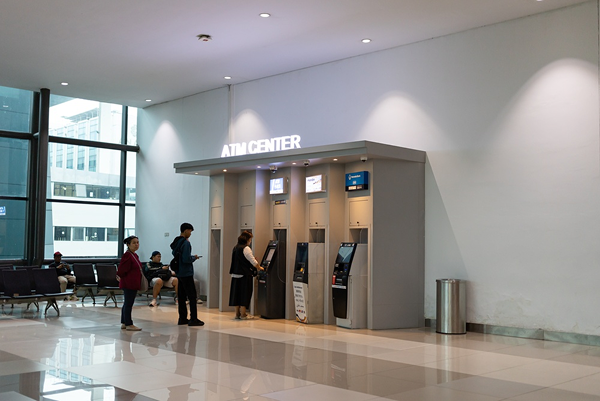
Although digital transactions continue to increase, physical branches and ATMs remain relevant, especially for meeting customers' face-to-face service needs, reaching areas with lower digital banking penetration, and building customer trust in new markets. Therefore, the challenge is no longer simply deciding whether banks still need physical branches but rather identifying locations that can deliver the greatest impact on business performance.
Key Data Factors to Consider
When determining locations for bank branch or ATM expansion, financial institutions need to consider several relevant data parameters. These include potential customer density, traffic and population mobility patterns, socioeconomic and demographic profiles, as well as the level of digital banking penetration in the area.
These data points help banks understand the characteristics and needs of communities in different locations. For example, areas with lower digital banking adoption may require better access to physical banking infrastructure to ensure customers can conveniently access financial services.
Risks of Choosing the Wrong Location
Choosing the wrong location for a bank branch or ATM can directly affect two important aspects of the business: increasing operational costs due to underperforming locations and losing potential revenue because high-demand areas remain underserved. In addition, decisions based solely on intuition or outdated data may cause banks to overlook changes in customer mobility patterns resulting from urban development and post-pandemic lifestyle changes.
How SiteSense Helps Banks Determine Expansion Locations
SiteSense, a location intelligence solution from Telkomsel Enterprise, utilizes mobility and demographic data from Telkomsel's customer base of more than 159 million users, combined with Google Maps and Point of Interest (POI) data.
Banks simply need to select the area or specific location they want to analyze, then choose relevant parameters such as population density, socioeconomic status, or operating hours. SiteSense will then generate location scores and data-driven recommendations for each potential expansion point, helping banks identify the most suitable locations for their branch and ATM networks.
Case Study: Optimizing Branch and ATM Networks
A similar approach has been adopted by several financial institutions to map ATM and bank branch locations based on user density and the level of competition within an area. This helps banks improve customer convenience while optimizing resource allocation by identifying and closing underperforming locations.
People Also Ask (FAQ)
Q: What is the difference between location intelligence and conventional location analysis?
A: Conventional location analysis generally relies on manual field surveys, while location intelligence uses large-scale mobility and demographic data that are updated periodically. This allows businesses to obtain more accurate location insights and evaluate potential areas more quickly.
Q: Is SiteSense only relevant for large banks?
A: No. This approach is relevant to financial institutions of different sizes, including financing companies and fintech businesses looking to identify suitable areas for service expansion.
Q: What data does SiteSense use for location analysis?
A: SiteSense combines mobility data, demographic and socioeconomic profiles, Point of Interest (POI) information, and map data from Google Maps.
Conclusion
Expanding branch and ATM networks in the right locations no longer need to rely solely on intuition. With SiteSense from Telkomsel Enterprise, banks and financial institutions can make data-driven location decisions using accurate mobility and demographic insights, helping ensure that expansion investments deliver maximum value for both customers and business performance.