



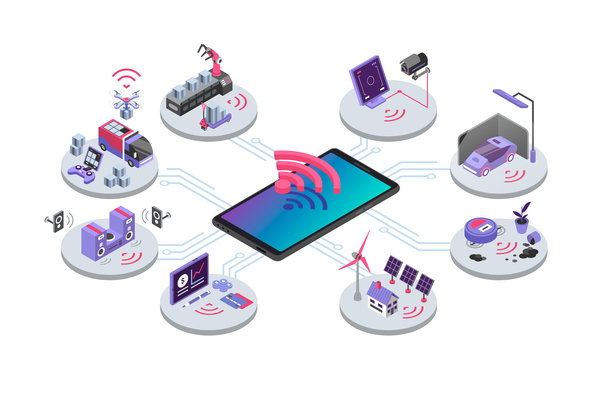


The surge in the adoption of the Internet of Things (IoT) has triggered a massive shift in how we view and approach network security. While this growing ecosystem of connected devices is fueling innovation and operational efficiency, it’s also introducing a new wave of complex cybersecurity risks that demand immediate attention.
The Internet of Things (IoT) isn’t just a buzzword, but it’s a technological revolution redefining how we live, work, and connect. From intelligent smarthome ecosystems to industrial automation, what is IoT has evolved into a global phenomenon, interweaving digital intelligence into everyday objects. But as billions of devices go online, the very fabric of network security is being stretched, tested, and transformed like never before.
Understanding how IoT works reveals both its brilliance and its vulnerabilities. At its core, IoT connects physical devices, sensors, cameras, thermostats, wearables, and even city infrastructure, to the internet, enabling them to collect, share, and act on data autonomously.
This seamless communication creates smarter environments, but it also multiplies the attack surface for cybercriminals. Every connected device becomes a potential entry point, turning network security into a high-stakes game of digital defense.
As IoT adoption skyrockets, so do the risks. In fact, recent studies show a staggering 400% surge in malware attacks targeting IoT devices. This alarming trend underscores a critical truth. The future of cybersecurity isn’t just about protecting computers and servers, but it’s about securing an ever-expanding universe of smart, interconnected gadgets.
So, how does IoT work, and why does it create such a drastic impact on network security?
What Is IoT (Internet of Things)?
The Internet of Things, or IoT, refers to a network of physical objects embedded with sensors, software, and connectivity technologies that allow them to exchange data over the internet. These devices, ranging from smartphones and smart home appliances to public infrastructure sensors, are designed to collect, transmit, and respond to data in real-time.
At its core, IoT enables devices to communicate with each other and with cloud systems, automating processes and improving decision-making across various sectors. This seamless interconnectivity between the physical and digital worlds is redefining everyday life, whether you're managing your home through smart thermostats or industries optimizing logistics with connected sensors.
As device costs drop and network infrastructure advances, billions of new IoT endpoints are being added each year. This rapid expansion brings incredible opportunities with it, but also increases the surface area vulnerable to cyberattacks, raising urgent network security concerns.
Why IoT Is a Double-Edged Sword for Network Security
The more devices that connect, the more entry points become available to cybercriminals. Unlike traditional computing devices, many IoT gadgets are built with minimal security in mind, designed for low power consumption and low cost rather than robust protection.
Here lies the core issue, IoT opens countless digital doors that can be easily exploited, especially when devices lack firmware updates, strong authentication, or proper encryption protocols. The result? Attackers find it alarmingly easy to infiltrate systems via weak links in the IoT chain.
Network Security Risks in IoT Ecosystems
Let’s break down the key security threats that emerge when IoT is not properly protected:
-
DDoS Attacks (Distributed Denial of Service): Hacked IoT devices can be recruited into botnets. Large groups of infected gadgets controlled remotely to launch massive DDoS attacks. These assaults flood targeted servers with traffic, causing services to crash and bringing down critical infrastructure.
-
Malware and Ransomware Infections: IoT devices, especially those without proper defenses, can be infected with malware that harvests sensitive data or disables functions until a ransom is paid. Ransomware in IoT has become more prevalent, threatening everything from personal gadgets to smart factories.
-
Data Breaches and Information Leakage: IoT devices collect vast amounts of personal and operational data. If this data isn’t encrypted or stored securely, it becomes an easy target for hackers, leading to widespread privacy violations and corporate data loss.

Strategic Security Solutions for IoT Networks
To stay ahead of evolving threats, a proactive, multi-layered approach to network security is non-negotiable. Here’s how businesses and individuals can protect their IoT ecosystems:
1. Secure by Design: Building Devices with Embedded Protection s
The strongest defense starts at the source. Manufacturers must prioritize security by design, embedding encryption, secure boot mechanisms, and tamper detection into IoT devices from day one. This means shifting from a 'connect first, secure later' mindset to one where network security is a core feature, not an afterthought.
2. End-to-End Data Encryption s
Data encryption isn’t optional, but it’s essential. Whether the data is in transit or at rest, it must be protected with advanced cryptographic protocols. This ensures that even if a breach occurs, stolen data remains useless to attackers.
3. Patch Management and Firmware Updates s
Outdated software is a hacker’s best friend. Automatic updates and regular security patches are critical for keeping IoT systems resilient against new threats. A centralized update management system reduces the risk of human error and ensures devices stay secure over time.
4. Strong Authentication and Access Control s
Robust user authentication systems, including multi-factor authentication (MFA) is critical to ensuring that only authorized personnel can access IoT devices or networks. Access controls must be role-based and monitored for anomalies.

The Role of AI and Machine Learning in IoT Security
Artificial Intelligence (AI) and Machine Learning (ML) have become indispensable in creating smart security systems that can adapt, learn, and evolve with emerging threats.
1. Automated Threat Detection
AI can process massive volumes of network traffic in real time, identifying unusual patterns that may indicate a security breach. These intelligent systems can detect attacks as they unfold, often before a human operator notices a problem.
2. Machine Learning for Predictive Security
ML algorithms can learn from past attacks and recognize emerging threat signatures. This makes it possible to anticipate and neutralize attacks even before they fully form. Over time, the system becomes more refined and harder for attackers to bypass.
3. Adaptive Security Response Systems
AI-enhanced network security systems can evolve dynamically, adjusting defenses in response to changing threat landscapes. This level of resilience and adaptability is crucial in a world where cyberattacks are becoming more sophisticated and unpredictable.
Conclusion
IoT is paving the way for innovation and efficiency like never before. But on the flip side, it’s also adding a new layer of complexity to network security.
We’ve seen how unsecured devices can become easy entry points for cyberattacks, proving just how essential it is to embed strong security measures into every layer of IoT technology. Whether it’s in manufacturing, healthcare, or consumer applications, every sector that leverages IoT needs a tailored security strategy to match its unique challenges and demands.
From robust data encryption to advanced authentication protocols, these security measures are critical to maintaining the integrity of your network and protecting sensitive information your systems rely on.
Strengthen your network security posture with Telkomsel Enterprise’s advanced Network Security solutions, built to protect you from compromising performance.
Our security platform offers advanced malware and virus threat databases, deep packet filtering and segmentation capabilities, real-time threat intelligence dashboards, seamless integration with both cloud and on-premises systems, to end-to-end security management tailored to your enterprise needs
Protect your connected ecosystem and prevent costly cyberattacks with an intelligent, scalable, and future-ready solution. Contact us today to discover how Telkomsel Enterprise can help secure your IoT landscape and support your digital transformation with confidence.