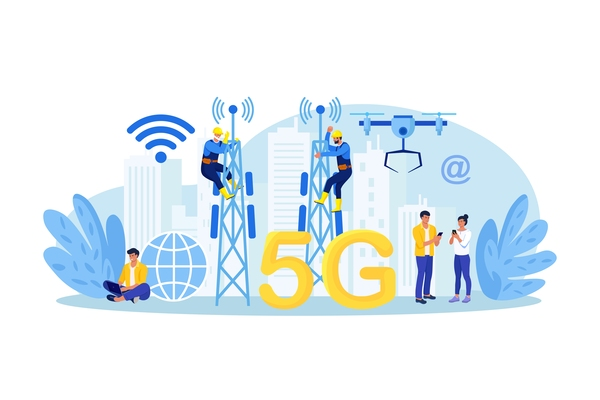





As the next evolutionary leap in mobile network technology, 5G is more than just a faster internet, it's a catalyst for digital transformation. With its advanced capabilities, 5G technology offers a wide array of benefits that extend far beyond individual use, significantly impacting how businesses operate, innovate, and scale, especially in emerging markets like Indonesia.
According to recent data, 5G download speeds can reach up to 20 gigabits per second (Gbps), a massive improvement over previous generation. This means seamless large-file transfers, ultra-fast cloud access, and real-time data processing become not only possible but practical for enterprise environments.
The 5G network in Indonesia is more than just the next generation of wireless communication, but it's a technological leap that’s rapidly reshaping how industries operate. While individual users enjoy faster speeds and lower latency, the advantages of 5G are even more impactful for businesses looking to innovate, scale, and stay competitive in a digitally driven economy.
Backed by strategic support from the Indonesian government, especially through the Ministry of Communication and Information Technology (Kominfo), the development of 5G technology is advancing across key regions. These efforts aim to accelerate digital transformation across crucial sectors such as healthcare, education, industry, and public services.
With potential download speeds reaching up to 20 Gbps, businesses can now operate in ways that were once unimaginable, whether it's real-time data sharing or fully remote industrial automation.
The Advantages of 5G Technology for Business Operation
Here are the top 8 5G advantages reshaping the future of business in Indonesia and beyond.
1. Lightning-Fast Speed and Massive Bandwidth Capacity
One of the most talked-about advantages of 5G technology is its incredible speed, up to 100 times faster than 4G LTE. This unlocks smoother operations for bandwidth-intensive tools like cloud applications, augmented reality (AR), and virtual reality (VR).
For businesses with distributed branches or remote teams, the improved data transfer rates significantly enhance productivity and communication.
2. Ultra-Low Latency for Real-Time Applications
Latency as low as 1 millisecond makes 5G ideal for time-sensitive operations. From remote equipment control to instant financial transactions, ultra-low latency enhances responsiveness across distributed networks.
It also allows enterprises to replace traditional MPLS lines with 5G-based WAN solutions, offering greater flexibility and scalability, especially valuable for retail chains, remote offices, and field operations.
3. High Device Density for IoT Expansion and Mobile Workforce
5G supports up to 1 million devices per square kilometer, making it the ideal foundation for IoT ecosystems and mobile workforce expansion. Businesses can deploy smart sensors, wearables, and other IoT solutions without worrying about network congestion.
This connectivity surge is vital for sectors like smart manufacturing and mobile commerce, which are outpacing traditional and e-commerce channels.
4. Energy Efficiency and Sustainability Gains
5G reduces device power consumption by up to 90%, which is especially beneficial for IoT sensors and other battery-powered tools. This energy-efficient design not only lowers operational costs but also supports sustainability goals, making it a vital component for green tech initiatives and long-term infrastructure planning.
5. Enhanced Security Architecture
Security is a top concern in any digital infrastructure. 5G offers major improvements over 4G, including stronger authentication protocols and a more secure network structure.
By isolating different network functions, 5G makes it harder for cyber attackers to compromise systems. Still, businesses must remain proactive in managing emerging risks related to increased data flow and multi-tenant environments.
6. Broader Coverage with Midband Spectrum and MIMO
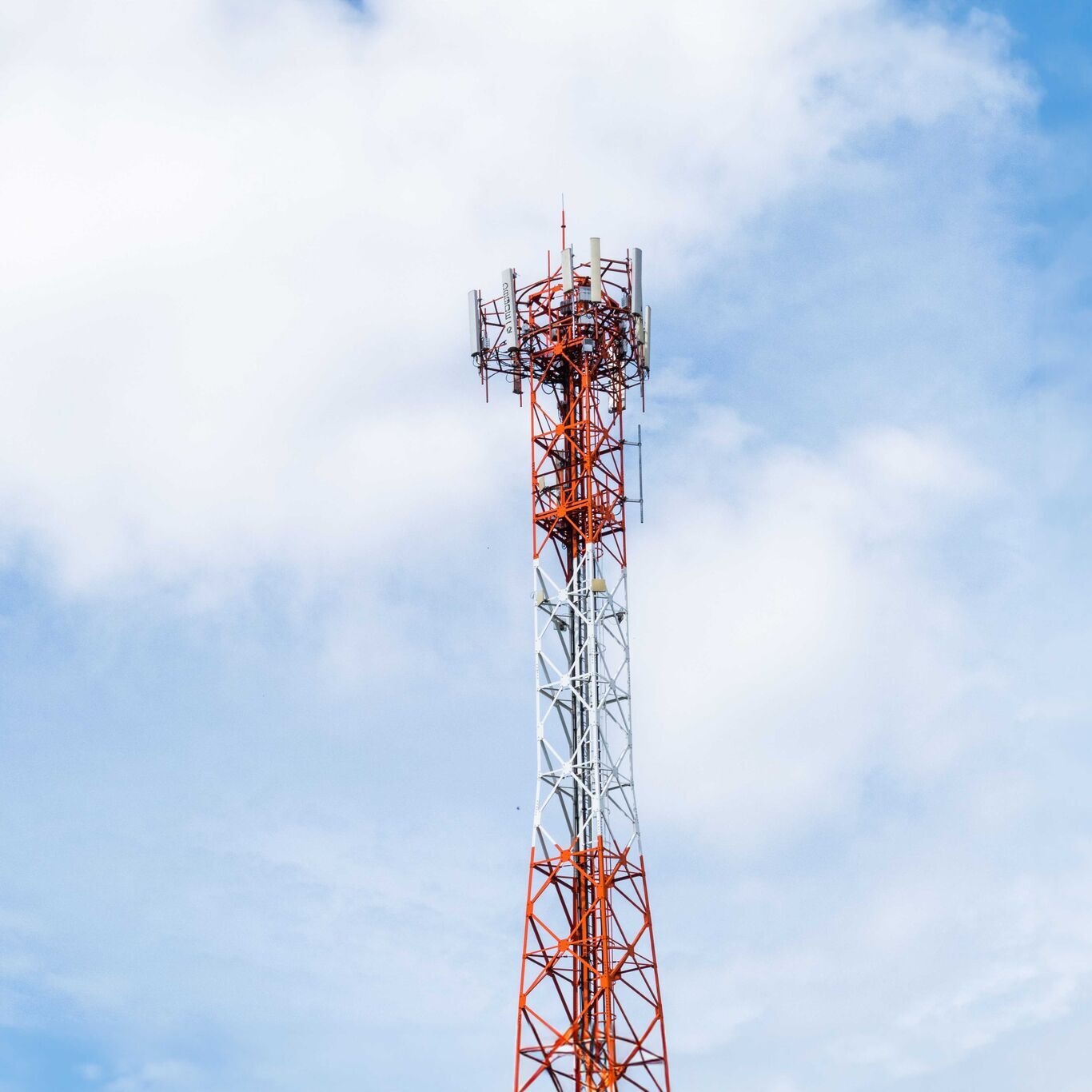
5G leverages the midband spectrum to balance coverage and capacity, making it cost-effective for high-data environments. Combined with Massive MIMO (Multiple Input, Multiple Output) antenna technology, 5G delivers improved signal strength and throughput, even in densely populated urban areas or industrial zones.
This expanded coverage helps bridge the digital divide, especially in rural parts of Indonesia where fixed-line infrastructure may be lacking.
7. Innovative Network Slicing Capabilities
Network slicing, enabled by software-defined networking (SDN) and network function virtualization (NFV), allows the creation of dedicated virtual networks for specific applications or industries.
For instance, a healthcare provider may require ultra-reliable and low-latency communication, while a logistics company might prioritize high-speed mobile data. 5G makes it possible to tailor network experiences for maximum value.
8. Enabling the Future of Business Models and Technology
Perhaps the most exciting advantage of 5G is its ability to support future-forward technologies. From fixed wireless access for high-speed internet to edge computing for instant data processing, 5G is powering the next wave of innovation.
In healthcare, 5G enables telemedicine, remote surgeries, and real-time patient monitoring. In manufacturing, it supports smart robotics, drones, and real-time analytics. For automotive and logistics sectors, 5G is the gateway to autonomous vehicles and intelligent fleet tracking.
Conclusion
The development of 5G technology marks a pivotal moment for businesses across Indonesia. It not only accelerates operational efficiency but also unlocks new business models and revenue streams.
Telkomsel Enterprise is leading the charge in delivering robust 5G and MEC (Multi-access Edge Computing) solutions tailored to Indonesia’s dynamic industries. With ultra-low latency and high throughput, these services empower real-time remote-control operations and on-site data processing, solving challenges like unstable connections, security threats, and latency bottlenecks.
Ready to future-proof your business? Contact us today and discover how 5G can supercharge your operational success.