



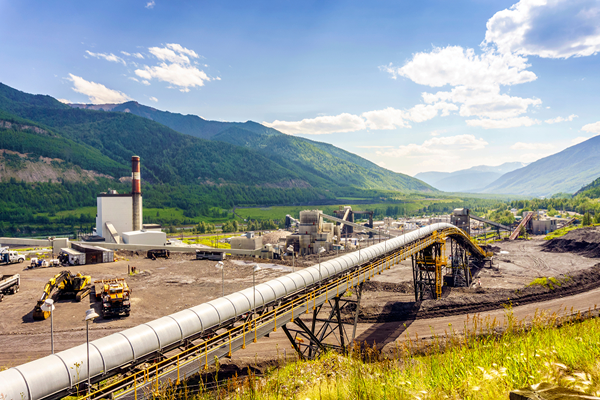


Mining has long walked a tightrope between progress and peril. On one hand, it plays a vital role in boosting economies, generating jobs, and providing energy for industrial needs. On the other hand, mining activities leave behind significant environmental damage, pollution, and sometimes even social conflicts. Amid this dilemma, the concept of green mining emerges as a potential solution, offering a way to balance economic needs with environmental sustainability.
So, is green mining truly a viable path forward, or is it just another trendy buzzword? Let’s dive into the world of green mining, its principles, and the technologies driving this shift in the mining sector.
What is Green Mining?
Green mining is an innovative approach to mining that emphasizes environmentally friendly practices and long-term sustainability. While conventional mining is often associated with environmental degradation, green mining aims to reduce these harmful impacts by incorporating cutting-edge technology, efficient management practices, and social responsibility initiatives.
This concept covers a wide range of strategies, from reducing carbon emissions and improving energy and water efficiency to managing waste responsibly and restoring mined land. The ultimate goal is to ensure that mining activities not only generate economic benefits but also protect the environment and provide value to local communities.
Goals of Green Mining
Green mining technology serves as a bridge between industrial needs and environmental sustainability. The main objectives are to reduce the negative impact on nature while maximizing the benefits for local communities. Here are the key goals:
1. Reducing Environmental Damage
One of the main goals of green mining is to mitigate the harmful effects of mining activities on the environment. This is achieved by improving energy efficiency, adopting better waste management practices, and applying eco-friendly technologies.
2. Restoring Post-Mining Land
Green mining doesn't stop at production, it emphasizes land reclamation after mining activities are complete. Mined areas can be rehabilitated by replanting vegetation, creating green spaces, or even transforming them into eco-tourism sites or water reservoirs that benefit the local community.
3. Empowering Local Communities
A key objective of green mining is to ensure that economic and social benefits are felt by nearby communities. This approach not only creates jobs but also promotes infrastructure development and fosters new business opportunities that contribute to local well-being.
4. Promoting Clean Energy
Green mining encourages the use of renewable energy sources, such as solar, wind, or hydropower, to reduce carbon emissions. This step is both environmentally friendly and efficient, as it relies on abundant and sustainable resources.
Principles of Green Mining
Green mining is not just about extracting minerals in a new way, it's about conducting mining operations that minimize environmental damage while benefiting communities. Here are some essential principles to guide the process:
1. Energy Efficiency
Mining operations are energy-intensive. Relying on fossil fuels not only increases operational costs but also contributes to higher carbon emissions. Green mining promotes energy-efficient technologies and equipment, as well as the shift to renewable energy sources.
For instance, using solar power for electricity, biodiesel for heavy machinery, and even wind energy to support operations helps companies cut costs while reducing their carbon footprint.
2. Responsible Waste Management
Mining inevitably generates waste, and without proper management, this waste can cause environmental damage and pose health risks to local communities. Green mining ensures that waste is handled responsibly.
For example, tailings, or the waste left over from mining processes, can be repurposed for construction, waste volume can be reduced through recycling systems, and wastewater can be treated before being released into the environment. This minimizes the risk of pollution and creates a more sustainable waste cycle.
3. Revegetation and Land Rehabilitation
Once mining activities have concluded, the land should not be left neglected. Revegetation is a crucial principle of green mining. Former mining sites are rehabilitated by planting trees, restoring soil quality, and even repurposing land for other beneficial uses. This process helps restore ecological balance and ensures the sustainability of the land for future generations.
4. Transparency with Communities
The success of green mining is heavily reliant on community involvement. Companies must provide access to information about their environmental impacts and mitigation efforts. Involving local communities in planning and monitoring ensures that the benefits of mining are shared and that potential negative effects are addressed.
5. Continuous Environmental Monitoring
Green mining is not just about planning environmentally friendly practices, it's about ensuring those practices are actively maintained and monitored. Therefore, ongoing environmental monitoring is essential.
Modern technology, like IoT (Internet of Things) sensors and drones, can make this process easier. These tools help monitor land changes quickly and accurately, enabling companies to detect issues faster, take preventive actions, and maintain transparency in their operations.
Leverage IoT for a Sustainable Environment
Green mining is not just a concept; it requires real, ongoing commitment to sustainability. One of the major challenges in its implementation is how to monitor mining sites and their surrounding environments in real-time.
Technological solutions, such as IoT Control Center and Connected Worker from Telkomsel Enterprise, demonstrate how technology can strengthen the adoption of green mining practices. These solutions not only help monitor environmental conditions but also optimize mining operations, improving both efficiency and productivity.
Remember, the success of green mining is not just measured by how much mineral wealth is extracted. It should also be evaluated based on the positive impact it has on local communities and how effectively we protect the planet.