





The modern world depends on minerals, from the concrete in our cities to the metals in our phones, mining is at the heart of global development. But while mining fuels progress, it also brings serious challenges like environmental degradation, safety risks, and social disruption. Without the right approach, mining can do more harm than good.
That’s why Good Mining Practice (GMP) is more important than ever. It’s not just about extracting resources, but it’s about doing so responsibly, sustainably, and ethically. Good mining practice is a framework that helps companies balance productivity with environmental care, community well-being, and long-term planning.
So, what is a good mining practice, and how can it be applied in real-world operations? Let’s explore the five key aspects that define responsible mining today.
What Is a Good Mining Practice?
Good Mining Practice, or GMP, refers to a set of principles, guidelines, and operational procedures designed to ensure that mining activities are conducted responsibly, safely, and sustainably. It covers a wide range of areas, from environmental protection and community engagement to worker health and safety.
The main objective of good mining practice is to minimize negative impacts on ecosystems and local communities while enhancing efficiency, productivity, and long-term viability of mining operations. In Indonesia, GMP is regulated under Government Regulation No. 78 of 2010, which emphasizes two core components, that is reclamation and post-mining planning.
-
Reclamation involves restoring the land and environment during and after mining activities.
-
Post-Mining Planning ensures that once mining ends, the area is returned to a stable state that supports ecological and socio-economic recovery.
Why Is Good Mining Practice Important?
Implementing good mining practices is not just a legal obligation, but it's a strategic move toward sustainable development. Here’s why GMP is essential:
1. Environmental Protection
Mining often disrupts ecosystems, causes pollution, and threatens biodiversity. By adopting GMP, companies can significantly reduce negative environmental impacts through responsible waste handling, water treatment, air quality monitoring, and land rehabilitation.
2. Health and Safety of Workers
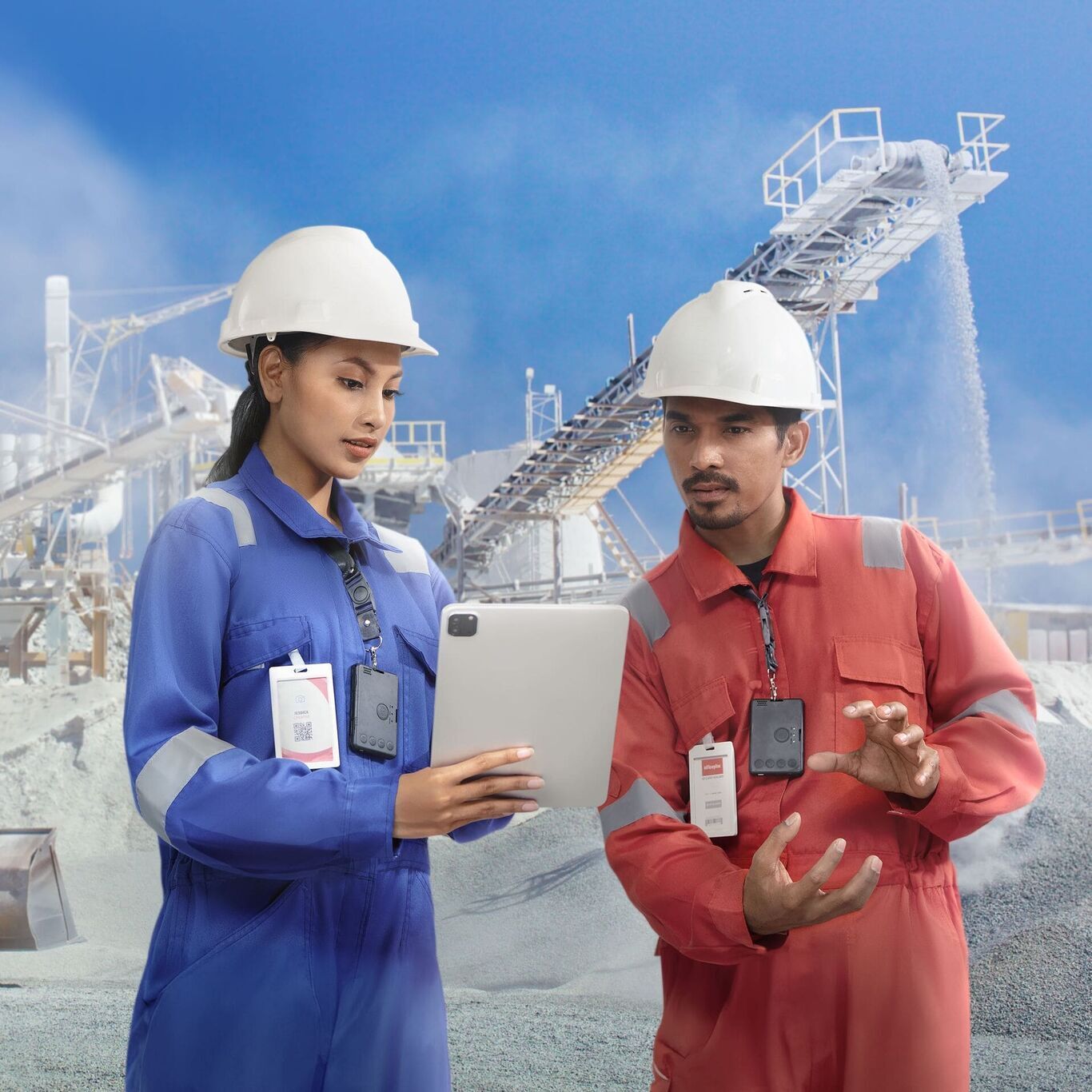
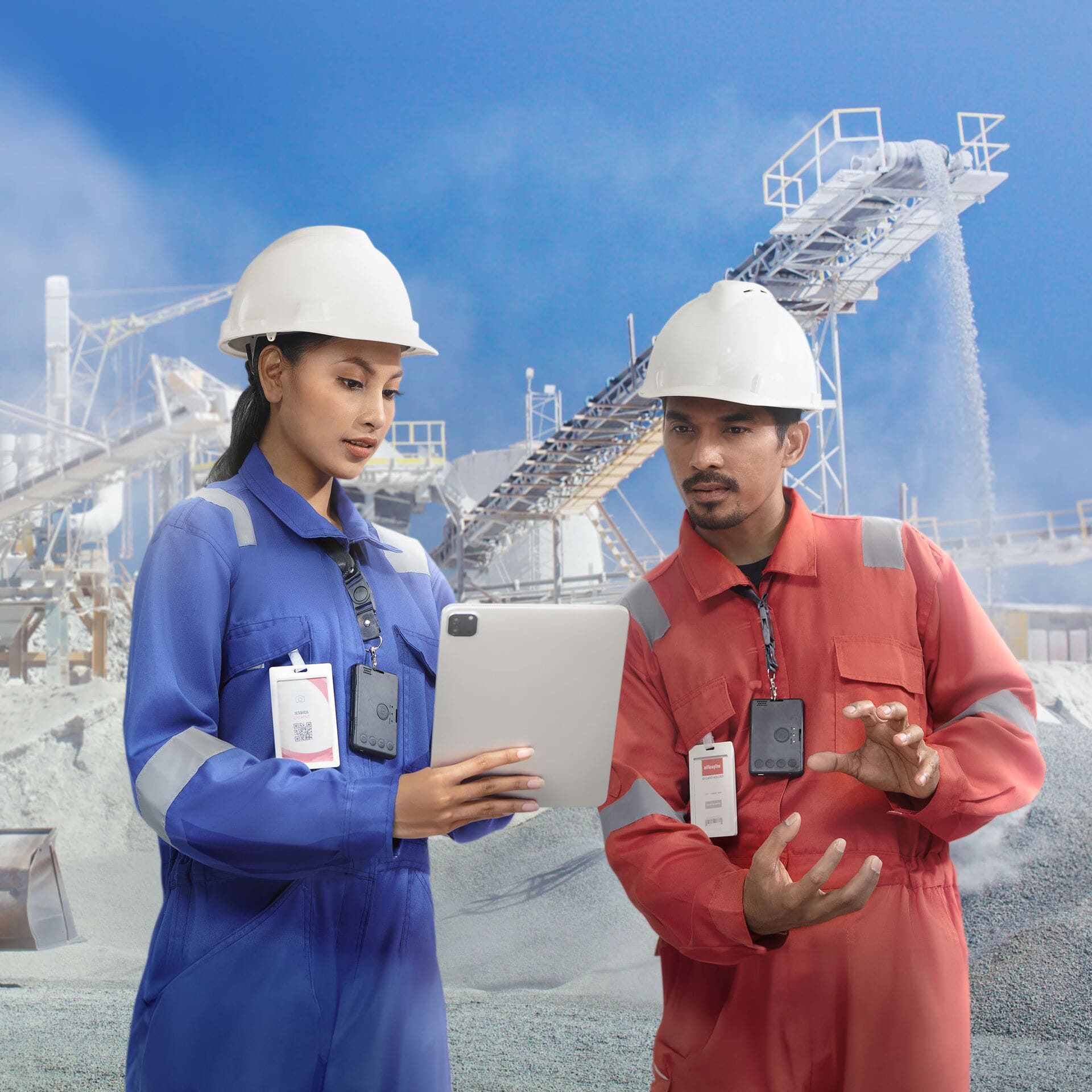
One of the most critical aspects of GMP is protecting workers. Strict safety protocols, use of personal protective equipment (PPE), hazard assessments, and regular safety training help prevent accidents and promote long-term employee well-being.
3. Reputation and Social License to Operate
Companies that implement GMP gain greater trust from stakeholders, local communities, and government regulators. A strong environmental and safety track record strengthens a company’s reputation and secures its license to operate.
4. Legal Compliance and Risk Mitigation
Good mining practice ensures adherence to national regulations and international standards. This helps companies avoid costly legal disputes, sanctions, and project delays.
5. Economic Efficiency and Operational Productivity
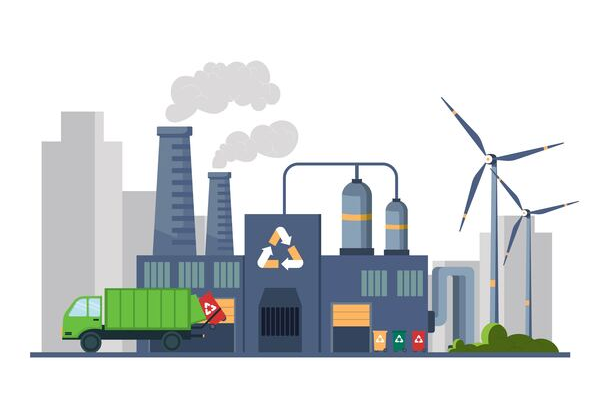
Responsible mining isn't just ethical, but it’s cost-effective. GMP helps minimize waste, reduce energy use, optimize resource recovery, and improve process efficiency, ultimately increasing profitability.
5 Aspects of Good Mining Practice
Indonesia’s Law No. 4 of 2009 outlines five key aspects that must be fulfilled to ensure full implementation of GMP. Here’s a closer look:
1. Occupational Health and Safety in Mining (K3 Mining)
This aspect focuses on creating a work environment that prioritizes the physical and mental well-being of miners. Implementation includes:
-
Conducting comprehensive risk assessments before starting any operation
-
Developing standard operating procedures (SOPs) tailored to various mining activities
-
Establishing safety protocols for hazardous environments like high altitudes, confined spaces, and water-adjacent work sites
-
Mandating the use of personal protective equipment (PPE)
-
Promoting workplace hygiene and health management programs
-
Offering training and capacity building to ensure worker competence
GMP Example: A mining company may use automated safety systems and wearables to detect gas leaks or heat exposure and alert workers in real time.
2. Mining Operational Safety (KO Mining)
Operational safety aims to ensure that all technical, mechanical, and infrastructural aspects of mining are managed with precision and discipline. Key strategies include:
-
Maintaining mining equipment and infrastructure integrity
-
Securing systems such as electrical grids, hydraulic networks, and pneumatic tools
-
Verifying that tools and facilities meet safety and quality standards
-
Ensuring all workers are qualified and trained for their roles
-
Performing regular technical evaluations and risk-based inspections
Example of good mining practice: A company might implement a predictive maintenance system to reduce equipment failure and avoid production downtime.
3. Environmental Management and Monitoring
GMP places strong emphasis on minimizing the ecological footprint of mining through proactive and continuous environmental monitoring. This includes:
-
Acquiring and complying with environmental permits such as AMDAL, UKL, or UPL
-
Monitoring parameters like water and air quality, noise and vibration levels, and emissions
-
Evaluating acid mine drainage (AMD) and its impact
-
Protecting biodiversity, especially flora and fauna in mining zones
-
Managing post-mining land use with comprehensive reclamation plans
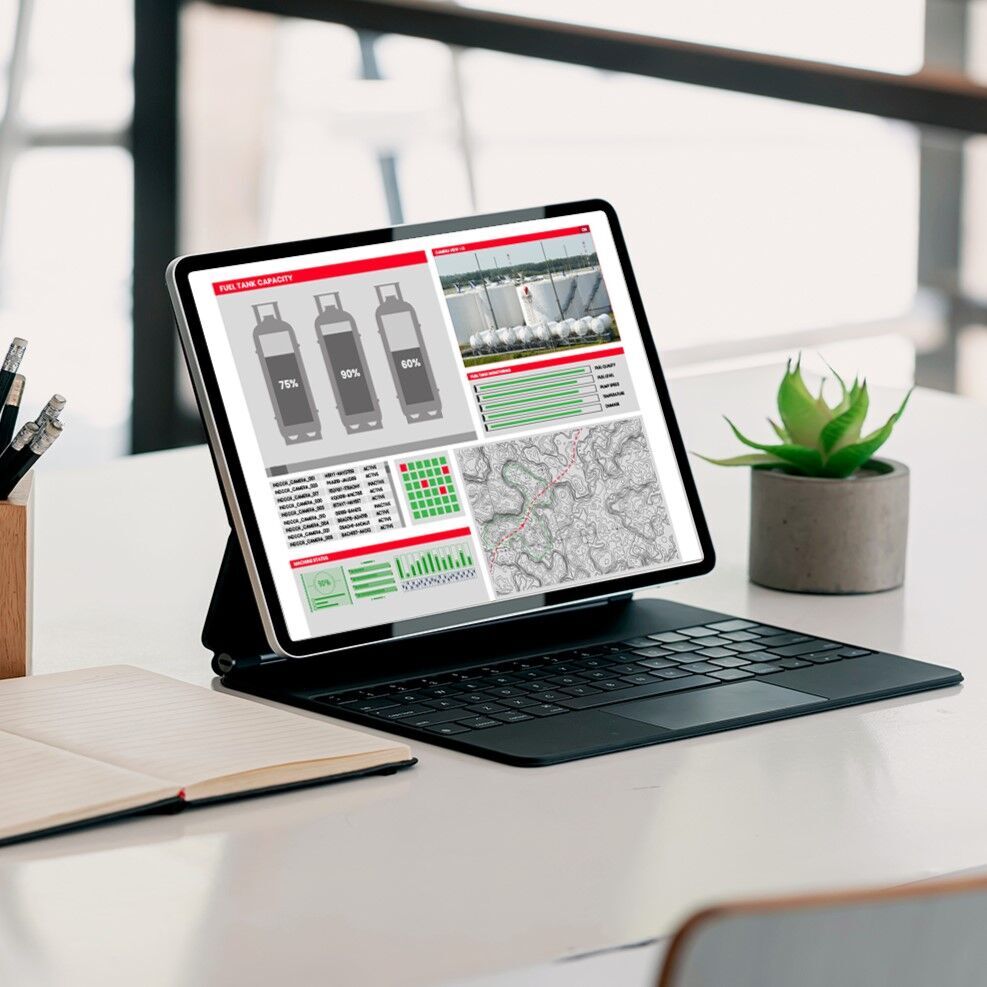
A key good mining practice aspect is integrating real-time environmental data systems to ensure prompt responses to ecological risks.
4. Resource Conservation
This aspect involves using mineral and energy resources wisely to ensure long-term availability. Best practices include:
-
Maximizing mineral recovery rates
-
Minimizing waste generation during extraction and processing
-
Reusing water and energy wherever possible
-
Employing low-impact mining technologies
-
Educating workers on sustainable resource usage
For example, adopting automated ore sorting systems can significantly reduce energy and water usage while improving ore quality.
5. Mine Waste Management
Waste from mining operations, whether solid, liquid, or gas, must be treated according to environmental standards. Responsibilities include:
-
Managing mine wastewater and acid drainage
-
Properly storing and disposing of hazardous waste (B3)
-
Treating non-acid forming (NAF) and potentially acid forming (PAF) materials
-
Monitoring gas emissions from equipment and facilities
-
Ensuring all discharges meet quality standards for environmental safety
Example: A mine may build lined tailings ponds to safely contain contaminated water and prevent it from seeping into surrounding soil.
Good mining practice is not just a compliance checklist, but it's a commitment to sustainability, safety, and long-term success. By integrating GMP into daily operations, mining companies can protect the environment, support local communities, and improve operational performance.
To further support responsible mining, Telkomsel Enterprise offers Connected Worker, an IoT-based solution that enhances workforce safety and productivity through real-time monitoring and centralized dashboards. This innovative technology aligns perfectly with the goals of GMP by enabling smarter, safer, and more efficient mining operations.
Ready to take your mining practices to the next level? Contact us today to learn how Telkomsel Enterprise can support your journey toward sustainable mining.