




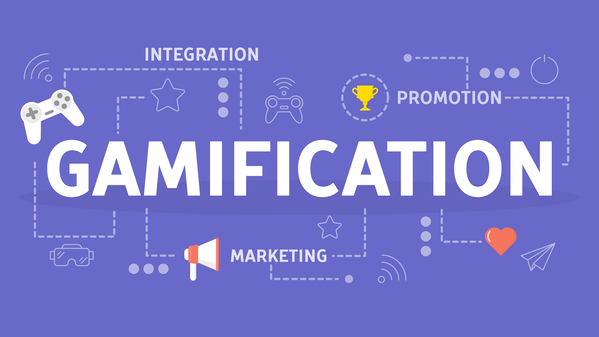
Gamification is more than just a passing trend, but it's reshaping how brands connect with their audiences in a digital era overflowing with information.
Today’s consumers are constantly bombarded with ads, content, and online noise. As attention spans shrink and skepticism rise, traditional marketing tactics are struggling to make a lasting impact. Most people simply scroll past ads without giving them a second thought.
Gamification offers a refreshing alternative. It taps into our natural love for play, competition, and rewards, bringing fun and interactivity into the customer's journey. The result? According to a report, brands that adopt gamification in their marketing strategies have reported up to 7 times higher conversion rates.
But what is gamification exactly? And why should it become a vital part of your marketing strategy? Let’s dive deeper.
What Is Gamification in Marketing?
Gamification is the process of applying game mechanics and principles to non-game environments, specifically marketing strategies, to boost engagement, drive customer interaction, and build long-term loyalty.
It’s not just about slapping a few badges or points onto your website. Effective gamification taps into human psychology, leveraging our natural desires to play, compete, achieve, and be recognized. Whether it’s earning points for a purchase, completing challenges, or climbing a leaderboard, gamification makes brand interaction more than just a transaction, but it becomes an experience.
Take loyalty programs, for instance. Earning points for every purchase or receiving badges for hitting milestones adds a sense of progression that keeps customers coming back. Or consider social media challenges where users participate for the chance to win exclusive rewards. It's fun, interactive, and boosts visibility.
Gamification in marketing comes in various forms:
-
Loyalty Programs: Points systems, reward tiers, and badges that encourage repeat interactions
-
Social Media Engagement: Games, contests, or interactive challenges designed to amplify shares, comments, and brand mentions.
-
Educational Campaigns: Interactive quizzes or mini games to help users learn about products or services in an enjoyable way.
By weaving these gaming mechanisms into your existing strategy, you don’t just sell, but you entertain, connect, and build stronger relationships.

Why Gamification Is a Must-Have in Your Marketing Strategy
If you’re still wondering whether gamification is worth the investment, here are some powerful reasons why it’s becoming a marketing game-changer:
1. Supercharges Brand Awareness
Gamified content stands out. Whether it's a quiz, a challenge, or a points-based reward program, these experiences are more likely to be shared, talked about, and remembered. As customers interact with gamified content, your brand stays top-of-mind.
2. Boosts Customer Engagement
Humans are hardwired to enjoy achievement. With leaderboards, badges, and milestone rewards, gamification satisfies our innate desire for progress and recognition, prompting users to stay engaged longer and interact more deeply with your brand.
3. Drives Lead Generation and Conversions
Gamification encourages action. Whether it’s signing up for a newsletter, completing a profile, or making a purchase, interactive elements can guide users through the buyer’s journey, naturally boosting lead generation and conversion rates.
4. Provides Valuable Customer Insights
Every click, choice, and action within a gamified experience offers data. You can better understand user preferences, behaviors, and motivations, enabling you to create personalized, data-driven marketing strategies.
5. Strengthens Brand Perception
Gamification showcases innovation. By embracing interactive marketing, your brand appears modern, creative, and customer-focused, qualities that can enhance trust and boost long-term loyalty.
How to Implement Gamification in Your Marketing Strategy
Ready to start? Here’s a structured approach to building a high-impact gamification campaign:
1. Define Your Target Audience and Marketing Goals
Before you gamify, clarify who you're targeting and what you're trying to achieve, whether it’s increasing brand awareness, driving conversions, or enhancing customer retention. This helps ensure your gamification efforts align with your broader business objectives.
2. Choose the Right Game Mechanics and Platforms
Different audiences respond to different types of games. Points, badges, leaderboards, and challenges are just a few options. Match these elements to your audience’s preferences and the platforms where they’re most active, like social media, mobile apps, or your website.
3. Design Irresistible Challenges and Rewards
Gamification should feel rewarding but not overwhelming. Challenges should be fun and achievable, while prizes must be relevant and desirable for your audience. This balance is key to sustaining engagement.
4. Seamlessly Integrate with Existing Marketing Channels
Your gamified campaign should connect with other digital touchpoints. For example, a social media challenge should link users back to your site or app, creating a consistent experience across platforms.
5. Track, Measure, and Optimize
Monitor performance through key metrics like engagement rates, conversions, and user feedback. Analyze the data and continuously refine your gamification strategy to improve results over time.
Case Study: Gamification in a Language Learning App
A popular language learning app successfully leveraged gamification to keep users motivated and engaged. Here’s how:
-
Points and Levels: Users earned points for completing lessons, helping them unlock new levels and maintain momentum.
-
Daily Challenges: The app encourages daily learning with mini goals that push users to stay consistent.
-
Leaderboards: By comparing progress with others, the competitive element kept users striving for improvement.
-
Virtual Rewards: In-app currency and customizable avatars give users tangible rewards for their efforts.
This blend of game mechanics transformed a traditional learning tool into a fun and addictive experience. Keeping users engaged longer and more frequently.
Challenges in Gamification Marketing
While gamification offers powerful benefits, it’s not without challenges. Here are some hurdles brands may face:
1. High Design Complexity and Cost
Creating a well-designed gamification system can be resource intensive. It requires thoughtful UX, compelling design, and sometimes development work, all of which must be balanced against the expected ROI.
2. Potential Mismatch with Target Demographics
Gamification won’t appeal to every audience. Some segments may find it juvenile or off-putting. Understanding your audience’s preferences through thorough market research is critical to avoid alienating potential customers.
3. Difficulties in Measuring ROI
Although gamification boosts engagement, its direct impact on sales can be harder to track. Set clear KPIs and ensure your analytics tools are up to the task of monitoring performance.
4. Over-Reliance on External Rewards
If gamification depends too heavily on prizes and perks, it might not build genuine brand loyalty. To avoid this, focus on creating intrinsic value, ensuring your product or service still delivers strong core benefits.
Tips to Overcome Gamification Challenges
Here are some practical strategies to navigate common gamification pitfalls:
-
Conduct market research to understand your target audience's preferences and responses to gamification.
-
Start with simple, small-scale gamification concepts to test effectiveness before launching larger campaigns.
-
Use a variety of metrics to measure performance, including user engagement, sales conversions, and customer feedback.
-
Ensure that gamification is implemented in a way that adds value to the customer experience, not simply as a temporary marketing gimmick.
Conclusion
Gamification is transforming the landscape of digital marketing. By introducing playful, reward-driven elements into customer journeys, brands can create experiences that entertain, engage, and ultimately convert.
But successful gamification requires more than clever mechanics. It demands a deep understanding of your audience, strategic execution, and a commitment to enhancing, not distracting from the overall customer experience.
To take your digital engagement to the next level, Telkomsel Enterprise offers CPaaS (Communication Platform as a Service), a cutting-edge solution designed to revolutionize business communication.
CPaaS by Telkomsel Enterprise supports seamless omnichannel integration, real-time data insights, and ensures top-notch security with local Cloud Data Centers. Whether you’re scaling customer interactions or crafting personalized journeys, CPaaS is built to empower your digital strategy.
Start your digital transformation today with Telkomsel CPaaS, where communication meets innovation. Reach out to our team and unlock next-level marketing powered by gamification and digital efficiency.