




From machines that run non-stop to air conditioning systems that are rarely turned off, many industrial activities quietly contribute to the growing carbon footprint. Over time, this accumulation places an increasing burden on the planet.
The impact is far from minor. Declining clean water availability, more frequent droughts, unpredictable weather patterns, and a higher risk of natural disasters are all closely linked to the rising carbon footprint. These environmental changes are no longer distant threats, they are already shaping how industries operate today.
This is why reducing carbon footprint has become essential, especially in the industrial sector. But what actually causes industrial carbon footprint to grow so rapidly? And more importantly, what are the best ways to reduce carbon footprint in a practical and sustainable manner?
What Is Carbon Footprint?
In simple terms, carbon footprint meaning refers to the total amount of greenhouse gas emissions released into the atmosphere as a result of human activities, either directly or indirectly. While carbon dioxide (CO₂) is the most well-known contributor, other gases such as methane (CH₄), nitrous oxide (N₂O), and similar greenhouse gases also play a significant role in global warming.
Any activity that involves energy use, fuel consumption, or industrial processes will inevitably leave behind emissions. This is why carbon footprint tends to increase alongside factory operations, large-scale manufacturing, logistics activities, and even daily electricity use in office buildings.
Carbon footprint can be measured at various levels, individuals, businesses, cities, or entire countries. In the industrial context, however, the numbers are usually much higher due to heavy machinery, large energy demands, transportation networks, and complex production processes.
One critical point should always be remembered: the larger the carbon footprint released, the greater its contribution to climate change.
Main Causes of Carbon Footprint in Industry
At its core, carbon footprint arises from activities that require energy and generate greenhouse gas emissions. In the industrial sector, these activities operate at a much larger scale compared to household consumption.
Below are the key contributors explained clearly.
1. Fossil Fuel-Based Energy Consumption
Most industries still depend heavily on coal, oil, and natural gas. These fossil fuels power production machines, keep air conditioning systems running, provide lighting, and support heating processes during manufacturing.
Every time fossil energy is consumed, greenhouse gases are released into the atmosphere. This dependence on non-renewable energy sources remains one of the biggest drivers of industrial carbon footprint.
2. Transportation and Logistics
Transportation activities generate significant emissions across the supply chain. This includes shipping raw materials to factories, distributing finished products, business travel, and daily employee commuting.
The longer the distance traveled and the more frequent the deliveries, the higher the emissions produced. As a result, transportation becomes a major source of carbon footprint examples in industrial operations.
3. Manufacturing and Production Processes
Certain industries naturally have higher emission potential due to the nature of their production processes. Steel, cement, chemical, and petrochemical industries are prime examples.
These sectors not only consume large amounts of energy but also produce greenhouse gases as part of their internal chemical reactions. In this case, emissions are not limited to fuel or electricity usage, the production process itself contributes directly to environmental impact.
4. Agriculture and Land-Use Changes
Carbon footprint also increases when land use changes occur, such as deforestation for industrial expansion or raw material sourcing. Forests act as natural carbon sinks, and when they are cleared, their ability to absorb carbon dioxide is lost.
At the same time, industrial activities on that land, such as plantations, farming, or livestock production, generate additional emissions. This creates a double impact: reduced carbon absorption and increased carbon release.
5. Modern Consumption Patterns and Waste Accumulation
Modern consumption habits place continuous pressure on industrial production. Rising demand encourages non-stop manufacturing, often supported by single-use products and short product life cycles.
Organic waste accumulation in landfills releases methane gas, which has a much stronger warming effect than CO₂. This makes waste management another critical factor in the overall carbon footprint equation.
Why Should We Care About Carbon Footprint?
Greenhouse gas emissions may seem like an abstract issue at first, but their consequences are already being felt. Here are several reasons why carbon footprint deserves serious attention.
1. Accelerates Global Warming
As greenhouse gases build up in the atmosphere, heat becomes trapped. While the temperature increase may appear small numerically, it significantly disrupts climate balance over time.
2. Triggers Extreme Climate Change
Rising global temperatures lead to unstable weather patterns. Extreme rainfall, flooding, prolonged droughts, and intense heatwaves are becoming more frequent. These conditions directly affect economic activities, agriculture, and food security.
3. Causes Polar Ice Melt and Sea Level Rise
The effects of global warming can also be seen in the increasingly rapid melting of ice in the polar regions. This is what causes sea levels to rise and threatens coastal areas and small islands. In the long term, the risk of abrasion, coastal submersion, and even large-scale population displacement is possible.
4. Damages Ecosystems and Biodiversity
Ecosystems depend on stable climate conditions. When temperatures shift drastically, many species lose their habitat. Coral reefs bleach, animal populations decline, and food chains are disrupted, ultimately affecting human livelihoods.
5. Threatens Human Quality of Life
The impact of carbon footprint eventually circles back to people. Reduced clean water supply, increased disaster risks, declining air quality, and food insecurity all stem from unchecked emissions.
How to Reduce Carbon Footprint Effectively?
Reducing carbon footprint does not always require massive changes overnight. Instead, meaningful progress comes from consistent, practical actions taken by both individuals and companies. Below are proven strategies.
For Individuals
1. Use Energy More Efficiently at Home
Many people don’t realize that small daily habits at home can have a significant impact on their carbon footprint. Simple actions such as turning off lights and electrical appliances when they are not in use, switching to energy-efficient LED lighting, and choosing electronics with power-saving features can make a real difference. The less energy wasted, the lower the emissions generated from everyday household activities.
2. Adopt Eco-Friendly Transportation
Transportation powered by fossil fuels is a major contributor to carbon emissions. Using public transportation, cycling, walking, or carpooling are much wiser alternatives to reduce environmental impact. When possible, transitioning to electric vehicles can also be an effective way to reduce carbon footprint from daily mobility.
3. Make More Conscious Food Choices
What you eat also affects your carbon footprint. Reducing red meat consumption, choosing locally sourced food, and avoiding excessive food purchases can help lower emissions generated from food production, processing, and distribution. Small changes in dietary habits can collectively create meaningful environmental benefits.
4. Minimize Waste and Maximize Reuse
Every product requires energy to be manufactured. That’s why using items only as needed, choosing reusable products instead of single-use alternatives, and developing recycling habits can help minimize waste accumulation that may produce additional emissions. Responsible consumption plays an important role in reducing carbon footprint examples in daily life.
5. Embrace a Simpler, Responsible Lifestyle
Reducing carbon footprint is ultimately about lifestyle choices. Simple practices such as buying only what you truly need and maintaining items so they last longer already create a measurable impact. Over time, these habits naturally shape a more sustainable and environmentally responsible way of living.
For Companies
1. Implement Energy Efficiency Across Operations
Energy consumption is one of the largest sources of industrial carbon footprint. Companies can start with fundamental steps, such as ensuring energy is used as efficiently as possible across operations.
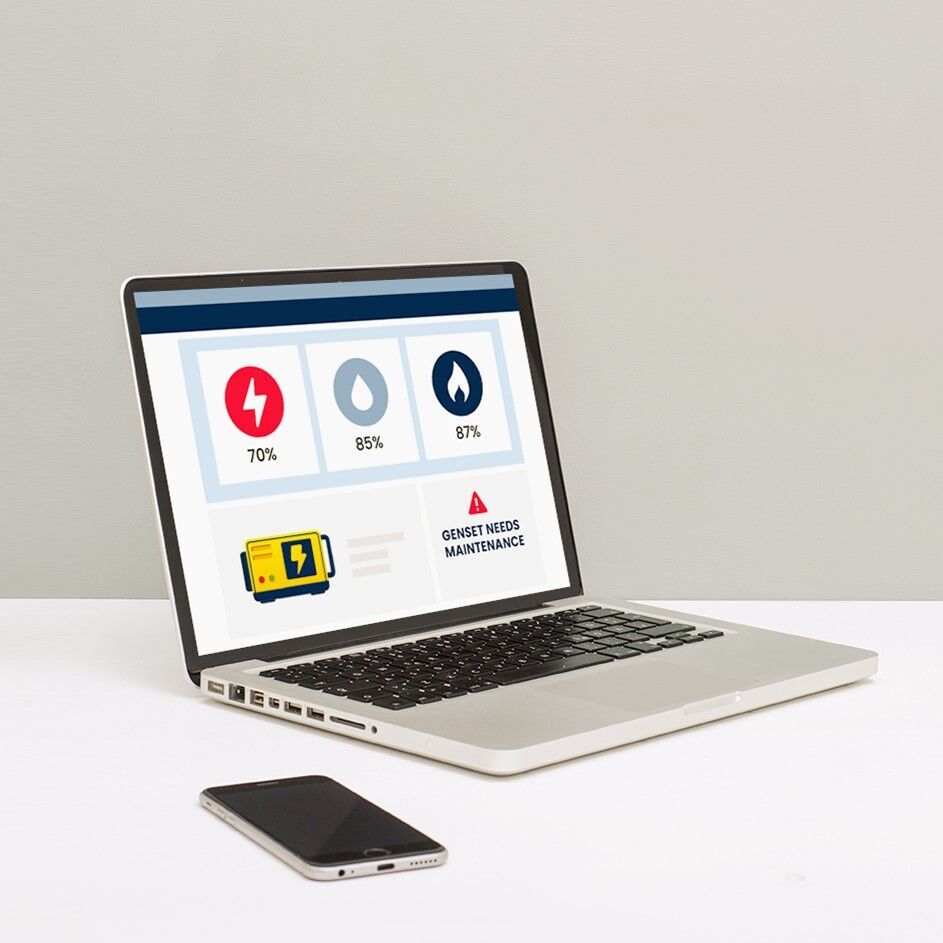
Today, many organizations are supported by IoT-based energy monitoring technologies that allow real-time tracking of electricity usage. This visibility helps identify inefficiencies, reduce energy waste, and take immediate corrective actions.
2. Transition to Cleaner Energy Sources
When feasible, companies can begin integrating renewable energy sources such as solar panels or partnering with energy providers that already rely on renewables. While this transition may not happen instantly, even gradual adoption can significantly reduce emissions over the long term.
3. Build a Sustainable Supply Chain
A company’s carbon footprint is not only generated by internal operations but also by suppliers, logistics, and distribution activities. Building a greener supply chain involves selecting suppliers with sustainability standards, optimizing delivery routes to improve fuel efficiency, and reducing excessive packaging. Lower emissions at every stage result in a smaller overall carbon footprint.
4. Reduce Waste and Maximize Recycling
Poor waste management can lead to unnecessary emissions. Companies can start by separating waste and maximizing recycling processes. Reducing single-use materials in production and office operations is also a smart strategy. Beyond environmental benefits, these practices often help lower operational costs.
5. Develop an Environmentally Friendly Work Culture
Organizations can foster a green workplace culture by encouraging employees to save electricity, reduce paper usage, and choose more sustainable transportation options. When the entire team understands the broader environmental goals, efforts to reduce carbon footprint become more natural and consistent.
Reducing Industrial Carbon Footprint with IoT-Based Energy Efficiency
As discussed, carbon footprint comes from multiple sources. Even in daily life, carbon footprint examples include electricity usage, transportation, digital consumption, and everyday products. However, emissions will not decrease without real action.
The more efficient energy is used, the smaller the emissions produced. For industrial players, energy efficiency and operational optimization should be viewed as strategic necessities, not optional initiatives. This is where technology plays a vital role, one of them is through IoT Envion from Telkomsel Enterprise.
IoT Envion from Telkomsel Enterprise is an IoT-based energy monitoring solution that enables companies to track energy usage in real time, optimize operational performance, and reduce unnecessary energy waste.
With clear data visibility, businesses can make informed decisions, improve efficiency, and actively contribute to reducing their carbon footprint, while strengthening long-term sustainability and competitiveness.