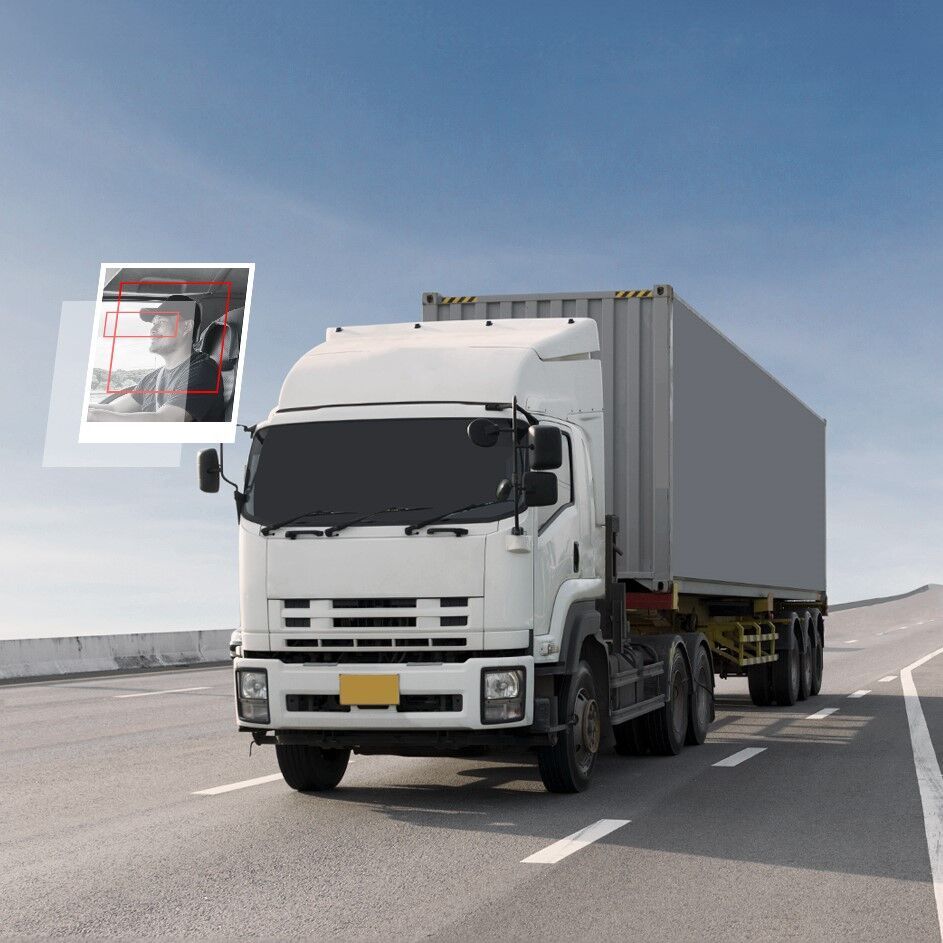



Ramadan, a month known for its blessings and reflection, also brings unique challenges, especially for fleet operations. Drivers who are fasting may experience fatigue, decreased focus, and a higher risk of accidents.
So, how can fleet managers address this effectively? The answer lies in technology. Specifically, a Driver Monitoring System (DMS), which can significantly boost safety and efficiency during this special time of year.
Why Ramadan Brings Added Risk on the Road
While Ramadan is a time for spiritual growth, it also shifts daily routines. Fasting for long hours, especially during demanding driving schedules, can lead to reduced energy levels and lower alertness. The combination of fatigue, long trips, and peak traffic hours can increase the risk of road accidents.
In fact, although Indonesia’s National Police (Korlantas Polri) reported a 15% drop in accidents during the 2024 Eid travel season compared to the previous year, thousands of incidents still occurred.
Fatigue and micro-sleep, brief moments when a driver dozes off without realizing are major contributors to these accidents. While awareness is key, technology plays a vital role in reducing these human errors.
What is a Driver Monitoring System (DMS)?
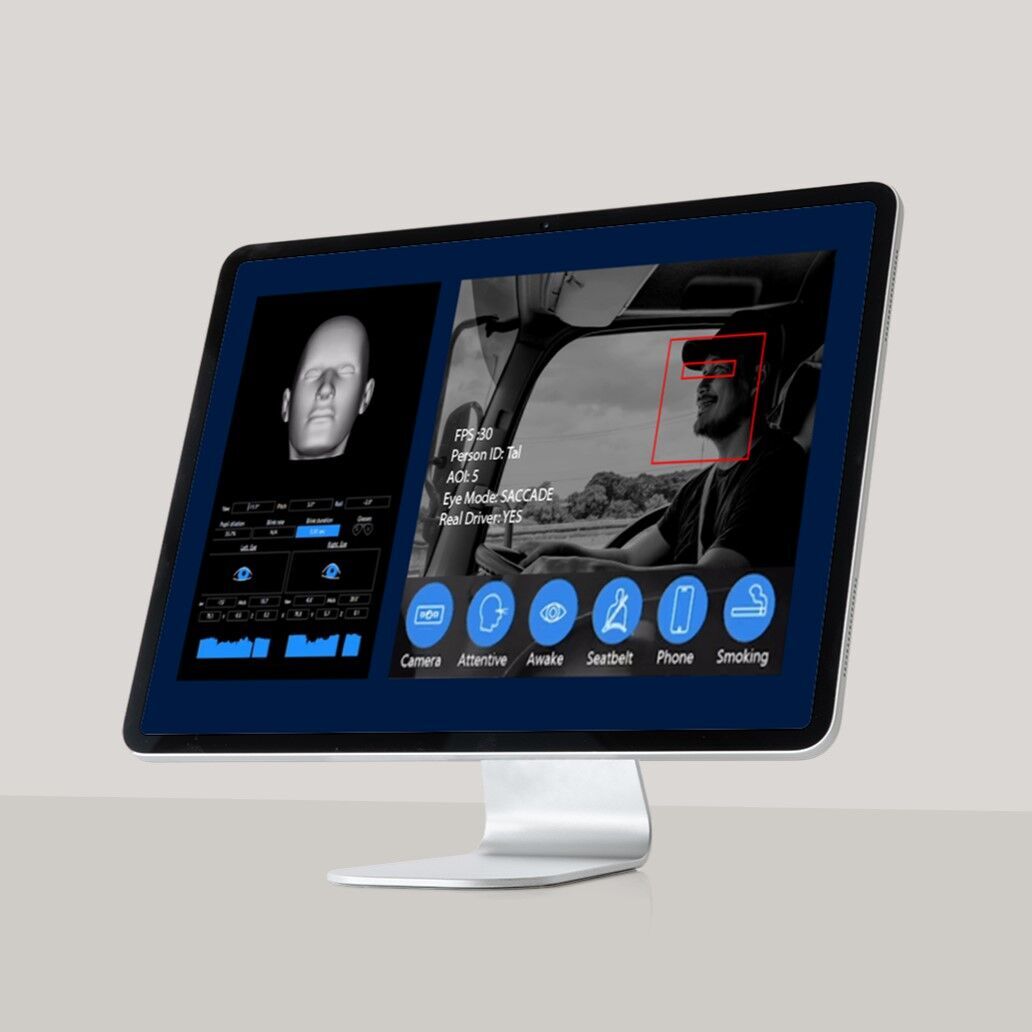
A Driver Monitoring System (DMS) is an AI-powered safety technology designed to track a driver’s condition in real time. Using facial recognition, eye-tracking, and head-position analysis, the system identifies signs of fatigue, drowsiness, or distraction. When a potential risk is detected, it immediately alerts the driver, helping prevent accidents before they happen.
How a DMS Works
A DMS doesn't just passively observe; it actively analyzes a driver’s behavior using advanced technologies like AI, machine learning, sensors, and in-cabin cameras. Here’s a breakdown of its functionality.
1. Real-Time Monitoring with Sensors and Cameras
DMS relies on strategically placed sensors and cameras inside the vehicle. These tools track head position, eye movement, and gaze direction. If a driver begins to show signs of drowsiness or distraction, such as frequent blinking or prolonged glances away from the road, the system immediately responds.
2.AI and Machine Learning Analysis
Once data is collected, DMS doesn’t just display raw information. It analyzes it using AI and machine learning algorithms. For instance, the system can identify patterns like drooping eyelids, slouching posture, or erratic steering, all of which indicate potential risks.
3. Instant Alerts to Prevent Accidents
When signs of fatigue or distraction are detected, DMS provides real-time alerts. These warnings can come in various forms, such as audible alarms, visual notifications on the dashboard, vibrations in the driver’s seat, or a combination of these. This immediate feedback helps drivers regain focus before an accident occurs.
4. Behavior Tracking and Reporting
DMS also records driver behavior over time, creating a valuable dataset for analysis. Fleet managers can use this information to evaluate driving habits, provide targeted training, and improve overall safety standards.
5. Integration with Other Vehicle Systems
One of the standout features of DMS is its ability to integrate with other vehicle safety systems. For example, it can work alongside smart navigation tools to provide additional warnings or connect with emergency braking systems to take automatic action in dangerous situations.
Key Features of DMS
A DMS doesn't just passively observe; it actively analyzes a driver’s behavior using advanced technologies like AI, machine learning, sensors, and in-cabin cameras.
1. Head Position Monitoring
DMS tracks the driver’s head movements to identify signs of drowsiness or loss of focus. If the head tilts forward or shifts unnaturally, the system triggers an alert to refocus the driver’s attention.
2. Eye and Gaze Tracking
This feature monitors eye movements and gaze direction. If the driver’s eyes close frequently or wander away from the road for too long, DMS issues a warning. It’s particularly effective in preventing micro-sleep episodes.
3. Body Movement Detection
Beyond monitoring the head and eyes, DMS can analyze overall body movements. Signs of restlessness, imbalance, or medical distress prompt immediate alerts, helping to prevent extreme fatigue or health-related emergencies.
4. Driver Behavioral Analysis
DMS doesn’t just monitor, it learns. By analyzing driver behavior over time, the system identifies risky habits and provides actionable insights. Fleet managers can use this data to offer personalized training and improve safety protocols.
5. Data Recording and Storage
All activities detected by DMS are recorded and stored as historical data. This information can be used for safety evaluations, driver training programs, or even as evidence in accident investigations.
6. System Integration
DMS works harmoniously with other vehicle technologies, such as intelligent navigation systems and automatic emergency braking. When combined, these systems create a robust safety net that enhances driver protection.
Why DMS Is Essential for Fleet Operations
During Ramadan, drivers face unique challenges due to fasting and altered routines. The physical and mental strain can compromise their ability to stay alert behind the wheel. Implementing DMS not only safeguards drivers but also ensures smoother operations for fleet managers.
By reducing the likelihood of fatigue-related accidents, DMS contributes to safer roads and improved efficiency throughout the holy month. As technology continues to evolve, embracing solutions like DMS becomes increasingly vital.
Whether you’re managing a fleet or simply looking to enhance personal safety, DMS offers a proactive approach to addressing the challenges of Ramadan and beyond.
The Role of Driver Monitoring System (DMS) in Fleet Management
While completely avoiding accidents may seem impossible, minimizing risks is certainly achievable. One powerful tool for achieving this is the Driver Monitoring System (DMS).
By integrating DMS into fleet operations, companies can significantly enhance safety and efficiency. Here’s how DMS contributes to smarter fleet management.
1. Detecting Fatigue and Distraction
DMS excels at identifying when drivers lose focus, whether due to drowsiness or distractions like phone use. If the system detects risky behavior, it sends alerts to both the driver and fleet managers. These warnings prompt preventive actions, such as reminding drivers to take breaks or rest.
2. Monitoring Driver Health
Beyond fatigue, DMS can track physical health indicators through eye movements, head posture, and facial expressions. For instance, if the system detects symptoms resembling a stroke or heart attack, such as unusual facial asymmetry or erratic movements. It can issue early warnings to prevent potential accidents.
3. Assisting with Traffic Monitoring
DMS also acts as a co-pilot by monitoring traffic conditions. It tracks vehicle speed, distance from other vehicles, and potential hazards. With real-time alerts, drivers can stay vigilant and reduce the likelihood of collisions.
4. Boosting Fleet Productivity
The data collected by DMS provides valuable insights into driver behavior. Fleet managers can analyze these patterns to optimize operations, improve driving habits, and implement targeted training programs. This not only enhances safety but also boosts overall efficiency.
5. Reducing Operational Costs
By discouraging risky driving behaviors—such as speeding or sudden braking—DMS helps lower accident rates. Fewer accidents mean reduced repair costs and lower insurance premiums, contributing to significant savings over time.
The Importance of Effective Fleet Management
While DMS plays a critical role in enhancing safety, its effectiveness is amplified when combined with robust fleet management practices. For logistics, transportation, and service-based businesses, fleets are the backbone of operations. Poor management can disrupt workflows, inflate costs, and increase accident risks.
Effective fleet management ensures optimal vehicle usage. For example, leveraging GPS tracking and intelligent route planning can minimize travel time and avoid traffic congestion. This results in timely deliveries and improved customer satisfaction.
Additionally, companies can monitor fuel consumption, schedule routine maintenance, and prevent unnecessary vehicle damage. Most importantly, good fleet management prioritizes driver safety and vehicle longevity.
Tips for Enhancing Safety During Ramadan
To keep your fleet operating smoothly and safely throughout Ramadan, consider these practical tips.
1. Ensure Adequate Rest
Fasting deprives the body of food and water throughout the day, which can impair concentration. Drivers should aim for 6-8 hours of sleep at night to stay alert. Short daytime naps (power naps) can also help recharge energy levels.
2. Avoid High Speeds
Speeding increases the risk of accidents. Drivers should adhere to speed limits and maintain a calm, steady pace to avoid dangerous situations.
3. Stay Patient and Focused
Ramadan is a time for cultivating patience, even on the road. Emotional reactions caused by hunger or fatigue can lead to reckless driving. Drivers should remain calm, avoid confrontations, and prioritize safety above all else.
FleetSense and FleetSight, A Smarter Way to Manage Your Fleet During Ramadan
Combining the power of FleetSense and FleetSight gives companies a complete solution for safe, efficient fleet operations during Ramadan and beyond.
FleetSense is an intelligent monitoring system that detects signs of fatigue, distraction, or other risks. Using AI, it analyzes driver behavior in real-time, identifies risky habits, and provides preventive solutions. This technology reduces accidents, enhances driver safety, and supports smoother business operations.
Meanwhile, FleetSight leverages IoT to provide real-time vehicle tracking with high accuracy. Its integrated telematics features offer full visibility into fleet movements, enabling optimized route planning and reduced travel times.
Also, FleetSight monitors driver behavior, identifies risky patterns, and collects data for performance analysis. This helps companies improve operational efficiency and enforce better safety policies.
During Ramadan, maintaining driver safety and fleet efficiency is more critical than ever. Implementing a Driver Monitoring System not only enhances safety but also ensures smoother operations, keeping your business productive despite the challenges of the holy month.
If you’re looking to safeguard your drivers, optimize fleet performance, and streamline operations during Ramadan, adopting DMS is the right choice.
Contact us today to learn more about FleetSense and FleetSight!