





Fleet efficiency in business operations isn’t just about the fastest routes or the number of vehicles on the road. One often-overlooked factor that significantly impacts fuel usage, maintenance costs, and safety is driver behavior.
How a driver operates a vehicle can either save or cost your business thousands. Without effective driver behavior monitoring, companies might be unknowingly wasting fuel, shortening vehicle lifespan, and increasing accident risks.
What is Driver Behavior?
Driver behavior refers to the way a person drives their vehicle. It includes a wide range of actions and habits formed by internal and external influences.
Internally, physical condition, psychological state, and demographic background all play a role. Externally, things like road conditions, weather, and traffic congestion also affect how drivers respond behind the wheel.
Understanding driver behavior is crucial because it determines how a driver perceives risks, reacts in unexpected situations, and ultimately, how safely and efficiently they drive.
Factors Influencing Driver Behavior
Driver behavior doesn’t just happen, it’s shaped by a range of contributing factors. Here are some of the most common influences:
1. Driving Speed
High-speed driving may seem like a time-saver, but it comes at a cost. Excessive speed not only raises the chances of road accidents but also causes fuel consumption to spike. Faster isn’t always better, especially when it impacts operational costs and safety.
2. Sudden Acceleration and Hard Braking
Frequent slamming of brakes or rapid acceleration isn’t just jarring for passengers, it’s mechanically destructive. These abrupt movements wear down brake pads, strain engines, and degrade tires faster than normal use. More importantly, they signal distracted or impatient driving, which correlates strongly with higher incident rates.
3. Excessive Idling Time
Letting the engine idle for too long might seem harmless, but it wastes a surprising amount of fuel. If multiple vehicles in your fleet are idling unnecessarily, the fuel loss multiplies, causing substantial financial leakage over time.
4. Adherence to Routes and Schedules
When drivers stray from planned routes or miss scheduled checkpoints, delays follow. Customers grow frustrated, service levels drop, and dispatchers scramble to re-coordinate. Worse, unsanctioned detours increase exposure to unknown roads, poor infrastructure, or high-risk zones, all of which elevate accident probabilities.
5. Driving Style Consistency
While every driver has a unique style, maintaining consistent driving patterns improves safety and reduces fuel consumption. A steady driving rhythm also contributes to a smoother ride for both the driver and passengers.
The Key Benefits of Driver Behavior Monitoring
What happens behind the wheel can influence much more than just the road ahead, it impacts safety, costs, and even customer satisfaction. That’s why driver behavior monitoring has become essential for any business managing a vehicle fleet.
So, what are the actual benefits of keeping a close eye on how your drivers behave? Here are some of the most impactful advantages:
1. Enhancing Road Safety
Safety should always come first in fleet operations. Through consistent driver behavior monitoring, businesses can identify high-risk driving patterns, such as speeding, harsh braking, or erratic acceleration.
This valuable data can then be used to evaluate performance, guide training sessions, and issue timely warnings to prevent accidents before they happen. By proactively addressing unsafe habits, you create a safer environment for drivers, cargo, and other road users.
2. Improving Delivery Efficiency
When drivers stick to pre-set routes and schedules, it minimizes delays and boosts overall efficiency. Monitoring driver behavior ensures that drivers are staying on track, both literally and figuratively.
Fewer delays mean smoother operations and when deliveries are consistent and on time, customer trust naturally increases. It's not just about being fast; it's about being reliably efficient.
3. Reducing Operational Costs
Inefficient driving behaviors, like excessive idling, aggressive acceleration, or constant route deviations can lead to skyrocketing fuel expenses and increased maintenance needs.
With driver behavior monitoring, companies can identify these costly patterns early and take action. Even small adjustments in how a vehicle is driven can result in significant savings over time. It’s about making smarter moves on the road to protect your bottom line.
4. Extending Vehicle Lifespan
Reckless or inconsistent driving habits take a toll on your fleet’s mechanical systems, damaging engines, brakes, and tires faster than necessary.
By promoting smoother, more controlled driving through behavior monitoring, vehicles endure less stress and last longer. A more stable driving style not only improves safety but also prolongs the operational lifespan of your fleet.
Long-term, this reduces downtime, lowers replacement costs, and ensures your fleet remains in peak condition.
Advantages of Driver Behavior Monitoring Features
Modern technology makes it easier than ever to monitor and improve driver habits. With the right driver behavior monitoring tools, businesses can enjoy benefits such as:
1. Real-Time Alerts for Immediate Action
One of the top advantages of a behavior monitoring system is real-time notification. Whether it’s speeding, sudden braking, or sharp turning, the system alerts drivers through visual, audio, or haptic signals.
These real-time cues help drivers become aware of dangerous behavior and take immediate corrective action, improving safety on the spot.
2. Performance Evaluation with Driving Scores
Advanced systems analyze data points like average speed, acceleration patterns, and braking quality to generate a driver performance score.
This score provides clear, measurable feedback, helping drivers understand where they can improve. Fleet managers can also use these insights to tailor training programs and recognize top performers.
3. AI-Based Driver Activity Monitoring
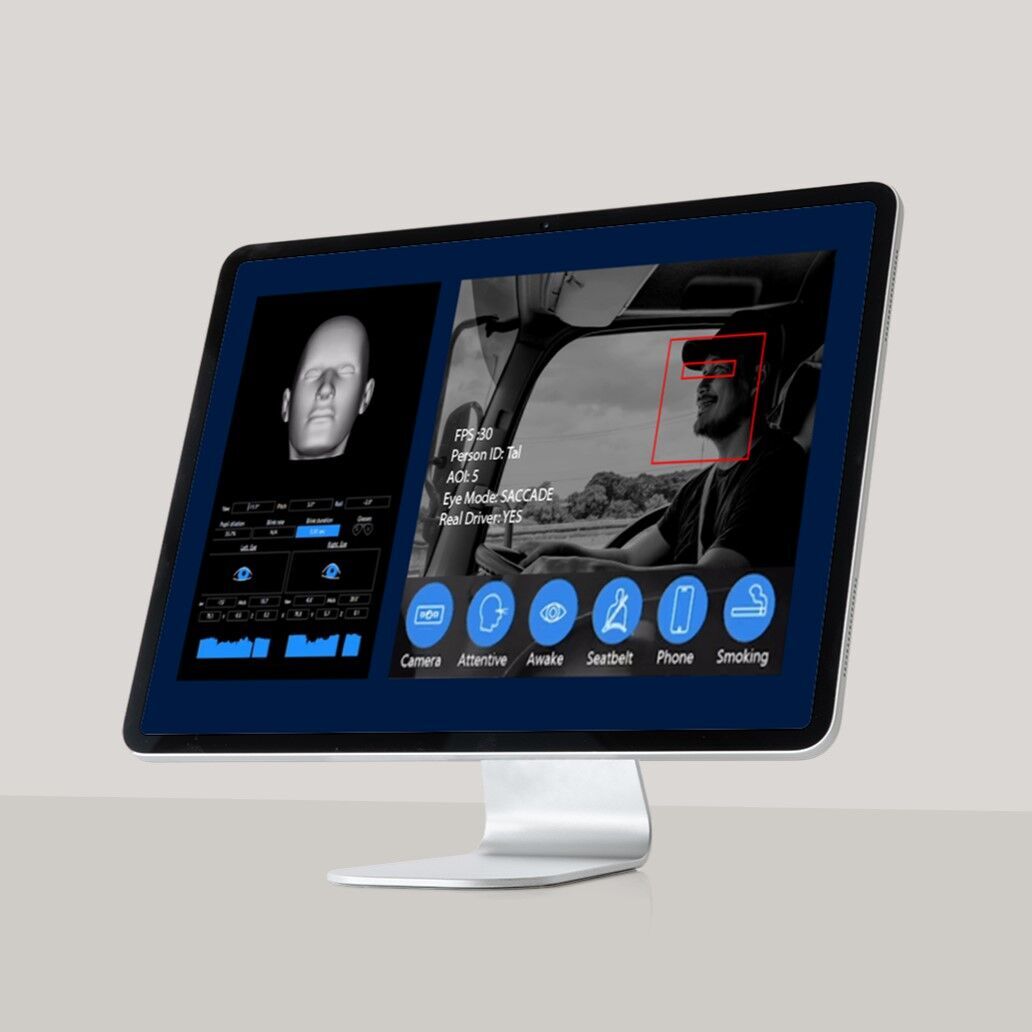
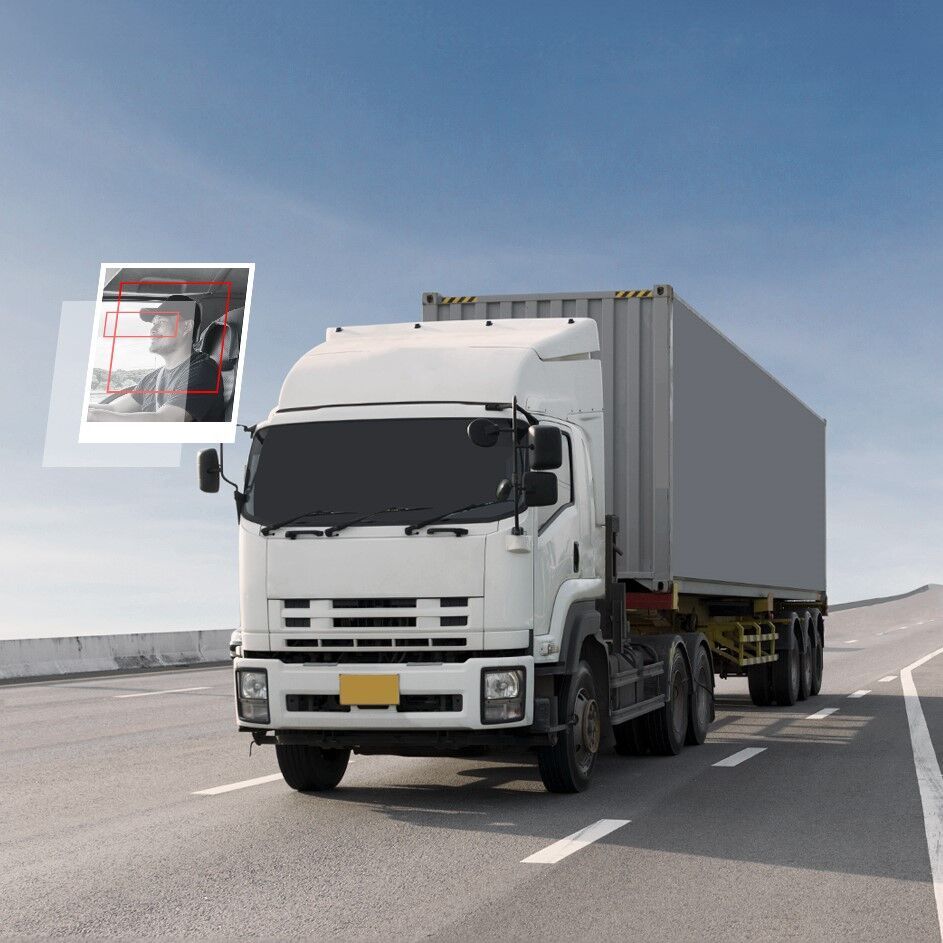
AI-powered systems, including camera-based technologies, allow for deeper insights into driver behavior. These tools monitor for signs of drowsiness, distraction, or loss of focus in real time.
If risky behavior is detected, alerts are immediately sent, keeping the driver alert and reducing the chance of accidents.
Enhance Fleet Performance with Fleetsight from Telkomsel Enterprise
Monitoring how your drivers behave behind the wheel is a smart investment that leads to measurable benefits, from improved safety to better cost efficiency.
Fleetsight from Telkomsel Enterprise is a complete solution designed to help businesses monitor, analyze, and improve driver behavior. With real-time tracking, instant alerts, and detailed analytics reports, Fleetsight empowers businesses to manage their fleets smarter and safer.
The flexible add-on features also allow you to customize the system based on your specific operational needs, whether you're optimizing delivery times or minimizing vehicle wear and tear.
Now’s the time to transform how your business manages its fleet. Let every journey be smarter, safer, and more cost-effective with Fleetsight from Telkomsel Enterprise.
Get started by contacting Telkomsel Enterprise today.