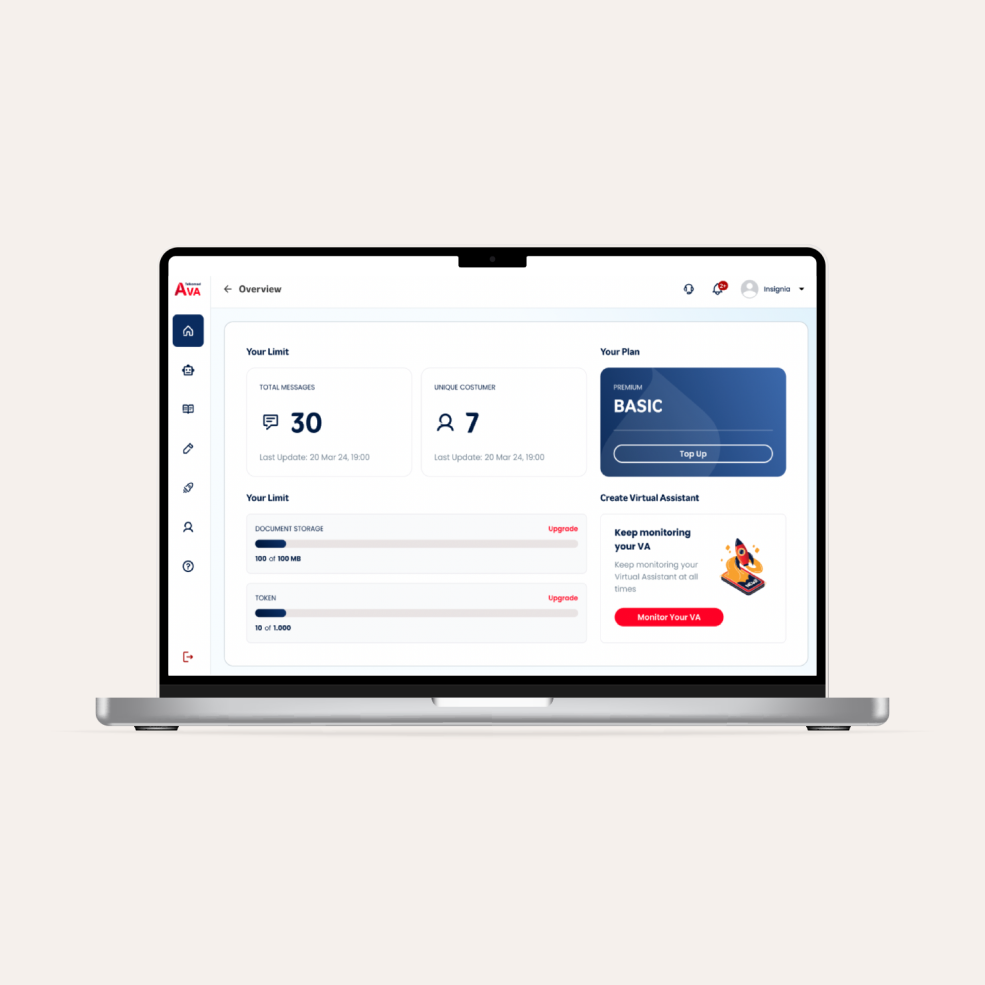






The wave of digital transformation is sweeping across various sectors in Indonesia, and cooperatives along with micro, small, and medium enterprises (MSMEs) are no exception.
This evolution -digital transformation- isn’t merely about replacing traditional systems with digital tools, but it’s a comprehensive shift in how businesses operate, communicate, and innovate. A central aspect of this transformation is the adoption of paperless systems, which enhance both efficiency and sustainability.
For cooperatives and MSMEs navigating a competitive digital economy, integrating modern technology isn’t just an option, but it’s a necessity. In fact, digital transformation has become a crucial lever in building a more resilient, inclusive, and future-ready economic ecosystem, echoing the objectives of the 2021 G20 Ministerial Meeting.
The Indonesian Ministry of Communication and Information Technology continues to accelerate national digital transformation efforts. These initiatives include major policy developments and the expansion of telecommunication infrastructure, providing the backbone for MSMEs and cooperatives to fully digitize their operations, starting with reducing paper dependency.
But what exactly does digital transformation mean for cooperatives and MSMEs, and why is a paperless system at the heart of this shift?
Why Cooperatives and MSME Must Embrace Digital Transformation
Every business, no matter its size, is like a living organism. It must evolve to survive. For cooperatives and MSMEs, adapting to technological shifts is no longer just beneficial, but it’s essential for long-term growth and relevance.
1. Key Challenges Faced by Cooperatives and MSMEs in the Digital Age
-
A New Breed of Consumers: Today’s consumers are highly informed and digitally savvy. They expect instant, seamless, and personalized services. Cooperatives and MSMEs must keep up with the pace of real-time digital interactions to remain relevant.
-
Intensified Competition: With big brands leveraging technology to offer added value, traditional MSMEs risk falling behind. Digital transformation levels the playing field, enabling smaller players to stay competitive.
-
Technology as a Core Business Component: From digital marketing to cloud-based inventory systems, technology now powers nearly every aspect of a business. Without the right digital support, operational efficiency can significantly suffer.
2. The Strategic Role of Technology in Boosting Competitiveness
-
Streamlining Processes: Automation tools and digital workflows enable faster, more accurate, and cost-effective business operations. This leads to higher productivity and fewer manual errors.
-
Data-Driven Decision Making: Advanced analytics provide valuable insights into customer behavior, market trends, and operational bottlenecks, allowing businesses to make smarter, evidence-based decisions.
-
Superior Customer Experience: Digital solutions make it easier to deliver personalized, responsive, and consistent service, which boosts customer satisfaction and loyalty.
3. Long-Term Benefits of Digital Transformation for Cooperatives and MSMEs
-
Improved Market Competitiveness: Digital tools enable product innovation, service excellence, and better market reach.
-
Business Growth Opportunities: Access to real-time data insights helps uncover new revenue streams and expansion strategies.
-
Enhanced Business Resilience: A digital-first foundation equips businesses to navigate market fluctuations and economic challenges more effectively.
However, embracing digital transformation requires more than just tech adoption, but it demands a shift in mindset. It’s about fostering a culture of innovation, openness to change, and a relentless focus on improving service in today’s digital landscape.

What Is a Paperless System, and Why Does It Matter?
As environmental awareness grows, businesses are reevaluating their ecological footprint. One of the simplest yet most effective ways to go green? Going paperless.
A paperless system replaces physical documents with digital alternatives. Instead of filing cabinets full of forms, contracts, and ledgers, everything is stored securely in the cloud, accessible anytime, anywhere, from any device.
It’s not about eliminating paper entirely overnight but progressively minimizing its use across operations. From digital signatures to online forms and automated recordkeeping, the goal is to create a seamless, efficient, and sustainable workflow.
Pros and Cons of Implementing a Paperless System
Like any major change, transitioning to a paperless model comes with both rewards and challenges.
Advantages:
-
Efficiency: Instantly find, edit, and share documents, saving time and reducing workflow delays.
-
Cost Savings: No more recurring costs for paper, ink, printing devices, and physical storage.
-
Sustainability: Lower paper usage translates to fewer trees being cut down and less environmental waste.
-
Remote Accessibility: Digital files can be accessed from anywhere, supporting hybrid and remote work.
Disadvantages:
-
Initial Investment: Costs for software, hardware, and staff training can be significant upfront.
-
Technology Dependence: System failures or cybersecurity threats pose risks to data integrity.
-
Learning Curve: Employees and cooperative members may need time and support to fully adapt.
How to Integrate a Paperless System into Cooperatives and MSMEs
On the journey towards paperless business operations, having a structured plan is crucial. Transforming existing work systems to digital is no easy task. However, with the right preparation and strategy, this transition can be smooth.
1. Assess Needs and Readiness
Before deciding what technology to implement, businesses need to identify their specific needs:
-
Understand which business processes currently require physical documents.
-
Determine which information needs to be accessed quickly and frequently.
-
Consider current technology capabilities and how the IT infrastructure can support these changes.
2. Choose the Right Digital Tools
Many digital solutions are available on the market, but not all are suitable for cooperatives and MSMEs. Some criteria to consider:
-
Security: Ensure sensitive business data is well-protected.
-
Ease of Use: Choose intuitive platforms to facilitate faster adoption.
-
System Integration: Make sure new tools can work with your existing systems.
One example is Telkomsel Enterprise’s Koperasi Digital platform, a solution tailored to support employee cooperatives through seamless digital operations. It offers mobile apps for members and web apps for administrators, enabling real-time transactions and integrated management across branches.
3. Train and Support Employees
Adopting new technology requires adjustment. It is important for cooperatives and MSMEs to:
-
Provide training sessions to introduce employees to the new system.
-
Provide resources or supporting materials, such as user guides.
-
Receive employee feedback and make adjustments as needed.
4. Implement and Monitor
Once the paperless system is integrated:
-
Monitor system performance.
-
Gather feedback from employees to identify any challenges or obstacles they may encounter.
-
Regularly evaluate the system to ensure the business continues to benefit from its technology investments.
In undertaking digital transformation and moving towards paperless operations, cooperatives and MSMEs must view it as a marathon. It is an ongoing process that requires commitment, continuous learning, and the ability to adapt.
With the right approach, the benefits go beyond paper reduction to increased efficiency, productivity, and competitiveness in the digital age.

Core Benefits of a Paperless System for Cooperatives and MSMEs
Adopting a paperless system isn't just about reducing paper consumption; it's also about finding more efficient and effective ways to conduct business. Here are some of the key benefits cooperatives and MSMEs can enjoy when implementing a paperless approach.
1. Reduced Operational Costs
-
Less spending on office supplies: Ink, toner, and storage space are minimized.
-
Lower energy consumption: Fewer devices like printers or copiers means lower electricity bills.
2. Boosted Efficiency and Productivity
-
Quick document retrieval: Cut time wasted on manual searches.
-
Faster processing: Automate administrative tasks such as bookkeeping and reporting.
3. Greater Accessibility and Collaboration
-
Cloud storage: With cloud-based solutions, teams can access documents from any location, enabling work flexibility.
-
Real-time teamwork: Some platforms allow multiple users to work on the same document simultaneously, increasing teamwork efficiency.
4. Stronger Environmental and Social Responsibility
-
Eco-friendly branding: Going green can enhance your public image and attract environmentally conscious consumers.
-
Sustainability: Helps reduce carbon footprint and supports long-term environmental goals.
Conclusion
Digital transformation isn’t just reshaping the way large corporations do business, but it’s opening new doors for cooperatives and MSMEs to innovate, thrive, and scale. Going paperless is one of the smartest steps they can take in this journey.
When implemented strategically, a paperless system goes beyond eliminating clutter, it enhances agility, saves money, reduces environmental impact, and strengthens competitive edge.
More importantly, digital transformation is not merely about tools, but it’s about transforming mindsets, redefining workflows, and cultivating a future-ready culture. And with platforms like Koperasi Digital by Telkomsel Enterprise, cooperatives now have access to technology that meets their unique operational needs.
Ready to embrace a smarter way of managing your cooperative? Explore the full potential of Koperasi Digital from Telkomsel Enterprise, an all-in-one solution to digitize cooperative transactions, operations, and member services.
Get in touch today and start your cooperative’s journey towards a paperless, efficient, and competitive future.