


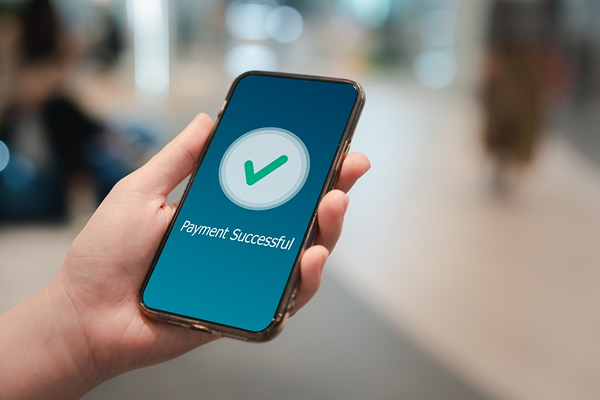


Digital payments have quickly become a vital aspect of modern business operations, providing more than just convenience. These electronic payment methods allow businesses to expand their customer reach, streamline operations, and enhance the shopping experience for consumers.
For businesses looking to remain competitive in today’s digital landscape, understanding the benefits of digital payment systems is essential. But what exactly are digital payments, and how can they benefit your business?
What Is Digital Payment?
At its core, digital payments refer to financial transactions conducted electronically without the need for physical cash. This method utilizes internet connectivity, electronic devices, and specialized platforms like e-wallets to facilitate money transfers.
Unlike traditional payment methods that rely on physical cash or checks, digital payment systems enable instant money transfers across connected networks. This reduces risks associated with manual calculations and cash handling while also simplifying the process for users to track their transaction history.
Additionally, the strong security features integrated into digital payment methods, such as encryption, one-time passwords (OTPs), and multi-factor authentication, ensure that transactions remain safe, providing peace of mind for both businesses and consumers
Why Are Digital Payments Gaining Popularity?
The rise of digital payments can be attributed to several factors that make them increasingly attractive to both businesses and consumers alike:
-
Speed and Convenience: Transactions can be completed instantly from a smartphone, eliminating the need to carry cash or wait in long queues.
-
Enhanced Security: Digital ways to pay are secured by advanced methods like data encryption, biometric scans, and dual authentication processes, reducing the chances of fraud.
-
Global Accessibility: Transactions are possible anytime, anywhere, if there is a connection to the internet, which makes payments adaptable and without boundaries.
-
Integration with Digital Ecosystems: Many digital payment systems are seamlessly integrated with e-commerce platforms, transportation services, and public services, creating a unified payment experience.
-
Cost and Time Efficiency: Digital payments support businesses in lowering the expenses of managing money and enhancing the flow of money by allowing quicker payments.
-
Promoting Financial Inclusion: Digital payments enable access to financial services for people in areas that are less developed, helping to include those who might not have access to standard banking options.
Benefits of Digital Payments for Businesses
The adoption of digital payment systems offers a range of benefits for businesses, including:
-
Expanding Market Reach
With digital payment systems, businesses can easily accept payments from customers, no matter where they are located, whether local or international. This is particularly beneficial for online businesses that need payment flexibility across borders.
-
Reducing Operational Costs
Managing physical cash involves hidden expenses, like secure transportation, protected storage facilities, counting mistakes, and even the chance of employee theft. Digital transactions get rid of most of these costs while speeding up the incoming money flow and shortening the time needed to reconcile accounts.
-
Improving Customer Experience
Customers appreciate convenience, and offering multiple digital payment options increases the likelihood of a positive experience. This leads to faster checkouts, greater flexibility, and ultimately higher customer satisfaction.
-
Data Transparency and Insights
Each and every transaction processed via digital payment systems gets recorded and can be analyzed. This data provides valuable insights into consumer behavior, sales trends, and can guide strategic decisions for business development.
-
Fostering Innovation and Growth
Digital payments pave the way for modern business innovations like subscription-based services, in-app purchases, loyalty benefit programs, and fluctuating pricing strategies. They transform transactions into engagement opportunities, and engagement opportunities into solid relationships.
Types of Digital Payments
The ever-evolving world of digital payments provides different methods, each designed to meet particular business requirements. Outlined below are some of the most frequently used choices:
-
Bank Cards (Debit/Credit)
Widely used for both in-store and online transactions, debit and credit cards powered by networks like Visa and Mastercard allow businesses to accept payments quickly and efficiently. Benefits include ease of use, speed, and added perks like installment plans and reward points.
-
E-Wallets (Digital Wallets)
E-wallets are a convenient and highly popular choice for many consumers. Integrated with everyday services, from transportation payments to online shopping and bill settlements, e-wallets offer users flexibility and rewards, such as cashback and discounts.
-
Mobile Wallets
Unlike conventional e-wallets, mobile wallets are generally app-based and operate using technologies such as NFC (Near Field Communication), enabling users to carry out payments by simply holding their mobile device near a payment terminal. Instances include Apple Pay and Google Pay.
-
Virtual Accounts
Virtual accounts are specialized bank account numbers used for specific transactions, often seen in e-commerce or recurring bill payments. These accounts streamline payment processes by automating verification and approval, speeding up transaction times.
-
Paylater Services
The paylater option, often called buy now, pay later, has become increasingly popular, presenting consumers with the choice to acquire goods now and settle the balance in installments. This model not only boosts customer purchasing power but also helps increase business sales.
-
Cryptocurrency
Despite being relatively new, cryptocurrencies like Bitcoin and Ethereum are progressively being embraced by global businesses. Blockchain technology ensures transparency and security, though market volatility poses a challenge for widespread adoption.
-
QRIS (Quick Response Code Indonesian Standard)
QRIS is an Indonesian standard for QR code-based payments. With a single QR code, customers can pay through various digital wallets or mobile banking apps. It’s particularly popular among small businesses and is easy to integrate with different payment platforms.
Recognizing how critical seamless digital payment systems are for small businesses, Telkomsel Enterprise launched Soundbox, a smart audio notification device designed specifically for QRIS transactions.
Unlike silent QR payments that leave merchants guessing, Soundbox from Telkomsel Enterprise delivers instant voice confirmation the moment a payment is received. This reduces errors, prevents disputes, and builds customer trust, all while adding a professional touch to every sale.
For MSMEs and retail outlets, this means fewer missed payments, smoother operations, and a more confident checkout experience. With Soundbox, adopting digital payments isn’t just about technology, it’s about transforming how your business is perceived and trusted.
Ready to take the next step? Consult with Telkomsel Enterprise today and equip your business with Soundbox, your gateway to smarter, safer, and more successful digital transactions.