





The secret weapon behind sustainable customer acquisition is Customer Experience (CX).
In early 2023, the Indonesia Customer Experience Professional (ICXP) revealed a critical shift, CX's role is more critical than ever as consumer spending power is predicted to decline. This signals a shift in what truly drives customer acquisition in today’s economy. It's not just what you sell, but how you make your customers feel.
This insight aligns with Gartner's findings that 80% of large companies consider CX their primary tool to stand out in the market. But the goal goes beyond boosting short-term revenue. Prioritizing CX builds long-lasting relationships that foster brand advocacy and sustainable growth.
So, the big question is, has your business positioned customer experience as a key pillar in its customer acquisition strategy? Let’s dive into how optimizing CX can elevate your brand and attract more loyal customers.
Customer Acquisition Through Outstanding CX
Customer acquisition has become both a challenge and a vital performance metric. But what truly fuels this acquisition? The answer lies in delivering memorable customer experiences.
Customer acquisition is the process of attracting and converting new customers for your business. Whether through digital marketing campaigns, sales promotions, or in-store events, the end goal remains the same, winning new buyers. However, without a strong customer experience to back up these efforts, even the most expensive campaigns can fall flat.
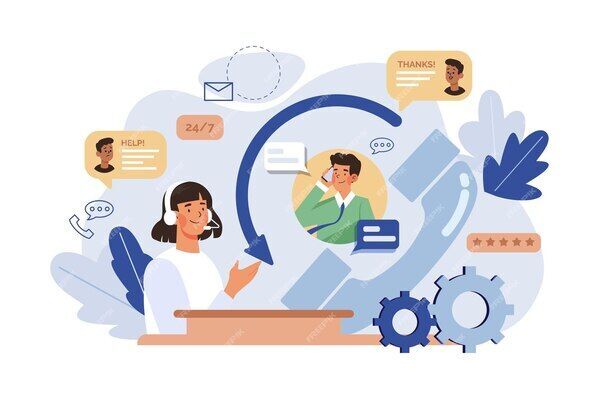
What sets your brand apart isn't just the product or service, but it’s the end-to-end journey that customers experience, from the moment they discover your brand to the post-purchase support they receive. CX includes every touchpoint from product research, user interaction, customer service, reviews, and even how your team responds to feedback.
A Harvard Business Review study, cited by Forbes, found that customers with positive CX spend 140% more than those with negative experiences. That’s not just satisfaction, but its revenue growth fueled by emotion, trust, and seamless interactions.
But the benefits don’t stop there. A well-crafted customer experience strategy doesn’t just retain customers, but it turns them into marketers. Satisfied customers naturally share their experiences, creating organic word-of-mouth marketing, one of the most powerful and cost-effective forms of customer acquisition.

Why is Customer Experience Important for Customer Acquisition?
In a marketplace overflowing with options, the customer experience is what helps brands cut through the noise. Here’s why CX should be at the heart of your customer acquisition strategy:
1. CX Influences Purchase Decisions
Every click, chat, and checkout shapes perception. Customers are more likely to buy from brands that offer smooth, intuitive, and responsive experiences.
A frustrating website, slow support, or confusing navigation? That’s a fast track to cart abandonment.
2. It Differentiates You in a Crowded Market
When products are comparable, CX becomes the differentiator. Think about it, two e-commerce sites sell the same phone. One has a clunky interface and slow delivery. The other offers real-time chat support, easy returns, and personalized recommendations. Which would you choose?
3. Happy Customers Drive Word-of-Mouth Growth
A delighted customer doesn’t just return, but they tell friends, family, and followers. This word-of-mouth effect is pure gold for customer acquisition. According to research, referrals from trusted sources have a 30% higher conversion rate than traditional ads.
4. Strong CX Reduces Acquisition Costs
Acquiring a new customer can cost five to seven times more than retaining an existing one. A strong CX builds loyalty, reduces churn, and turns customers into repeat buyers and referrers, making your acquisition efforts more efficient and scalable.
Key Components of Customer Experience
Crafting a great customer experience involves more than just good service. It’s about understanding and optimizing every customer touchpoint. Here are the core components:
1. Product or Service Interaction
Your offering is the foundation of the experience.
-
Quality: Does the product meet or exceed expectations?
-
Availability: Is it easy to access via online and offline channels?
-
Ease of Use: Can customers use the product effortlessly, and does it deliver on its promises?
2. Interaction with Support Teams
Your support staff are the face of your brand in critical moments.
-
Responsiveness: How quickly do you respond to inquiries or complaints?
-
Problem-solving: Can your team provide clear and satisfactory solutions?
-
Product knowledge: Do they fully understand your product to offer accurate guidance?
3. Purchase and Post-Sale Process
The experience doesn’t end at checkout.
-
Ease of buying: Is the transaction process seamless?
-
Deliver: Are products delivered on time and in excellent condition?
-
Post-sale support: Is it easy for customers to get help if something goes wrong?
4. Brand Perception and Identity
Customer experience is deeply tied to how your brand is perceived.
-
First impressions: Is your website, social media, and marketing visually appealing and aligned with your branding?
-
Brand values: Do your company values resonate with your audience?
-
Trustworthiness: Do customers believe in your brand’s promises based on reviews or past interactions?
How to Improve Customer Acquisition Through CX: 5 Proven Strategies
A successful customer acquisition strategy built around CX requires coordinated efforts across departments. Here’s how to do it:
1. Listen to and Understand Your Customers
-
Customer Satisfaction Surveys: Using surveys to collect direct feedback from customers can provide valuable insights into what they want and expect. Tools like tSurvey from Telkomsel Enterprise can help businesses conduct effective online surveys to gather this information efficiently.
-
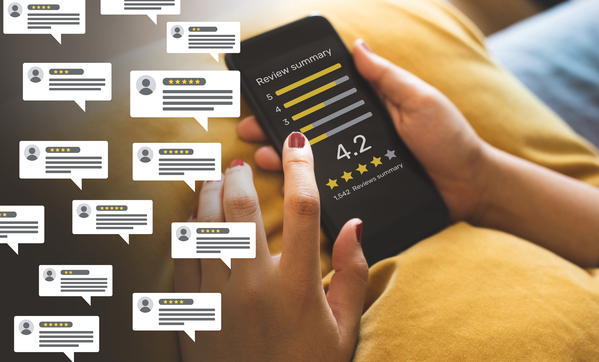
Customer Reviews and Feedback: Customer reviews and comments are powerful sources of insight. They can reveal the strengths and weaknesses of your product or service from the user's point of view. Platforms like Trustpilot or Google My Business reviews can serve as useful references to understand customer sentiment.
-
Social Media Sentiment Analysis: Monitoring social media platforms allows brands to gain a clearer view of public perception regarding their offerings. Tools such as Brandwatch or Sprout Social can be used to track and analyze sentiment data, helping brands adjust strategies accordingly.
2. Optimize Every Customer Touchpoint
-
Customer Journey Mapping: Mapping out every point of interaction between your brand and your customers helps optimize CX at every stage. Creating a customer journey map can be simplified with internal workshops or collaborative brainstorming sessions with your team.
-
Fix the Friction Points: Pinpointing areas that are causing friction can significantly enhance the customer experience. For example, if customers frequently complain about the checkout process on your website, it’s essential to evaluate and fix that stage to avoid abandonment.
3. Personalize Every Interaction
-
Behavior-Based Recommendations: Leveraging customer data to provide tailored product recommendations enhances the relevance and effectiveness of your offerings. Technologies such as AI-powered recommendation systems can be implemented to deliver more personalized experiences.
-
Customized Communication: Sending the right messages, at the right time, to the right people is key to building deeper connections. Email marketing tools like Mailchimp allow you to segment customer lists and send personalized messages based on user behavior and preferences.
4. Train Your Frontline Teams
-
Soft Skills & Product Training: Your team needs the right mix of interpersonal skills and technical understanding to deliver exceptional service. This can be achieved through internal workshops or external training programs that focus on both customer handling and in-depth product education.
-
Efficient Problem-Solving: Train your team to handle customer complaints and challenges in a professional and effective way. Role-playing exercises during training sessions can help prepare them for real-life scenarios and improve their response strategies.
5. Invest in CX-Enhancing Technology
-
CRM Systems: A CRM system helps businesses manage and analyze customer interactions more effectively. The Customer Engagement Platform (CEP) from Telkomsel Enterprise is one such solution that supports efficient customer relationship management.
-
AI & Chatbots: Deliver instant assistance to customers through chatbots and AI-driven tools, enabling 24/7 service and reducing response time without compromising quality.
-
Customer Data Analytics: Analyzing customer data allows you to gain deeper insights into behavior, preferences, and trends. With the right platform, you can translate raw data into actionable strategies that elevate customer engagement and improve acquisition outcomes.
By implementing the strategies above, your brand can maximize the potential of CX in increasing customer acquisition.
Conclusion
Customer acquisition isn’t just about catchy ads or product features, but it’s about delivering a customer experience that builds trust, loyalty, and emotional connection.
A well-executed CX strategy not only brings in new customers but keeps them coming back. By listening closely, personalizing the journey, training your team, and leveraging smart technology, your brand can unlock exponential growth in customer acquisition.
If you're ready to transform your CX, Telkomsel Enterprise offers a robust Customer Engagement Platform (CEP) that helps brands build stronger, smarter relationships. With features like predictive analytics, behavior-based personalization, and a comprehensive customer journey map, CEP ensures that every touchpoint becomes an opportunity to connect and convert.
With just a few clicks, your team can segment audiences, tailor product recommendations, and deliver the kind of seamless experience that turns first-time visitors into loyal customers.
Ready to elevate your customer acquisition strategy through better CX? Contact us today and discover how CEP can help your brand win in a competitive marketplace.