



What Is Competitive Insight for Mobile Banking Apps?
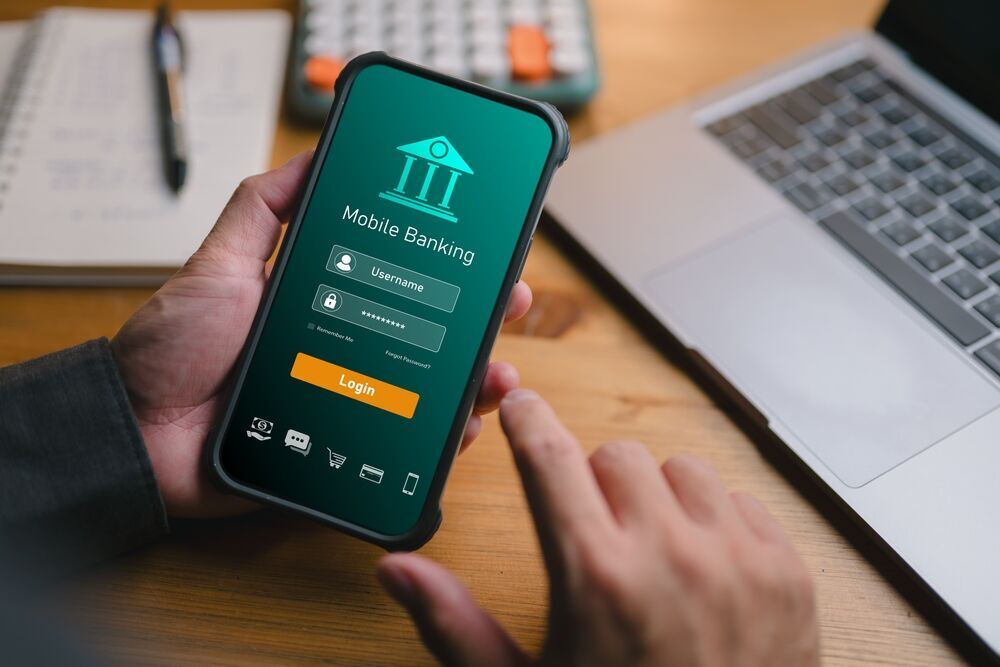
A competitive dashboard mobile banking solution helps banks understand where they stand in the market and what customers prefer as digital banking continues to evolve. Major banks in Indonesia are constantly expanding their digital banking offerings, from launching new features and integrating payment services to introducing in-app loyalty programs. But how can digital banking teams tell whether these investments are actually making their apps more appealing than those of competitors? Annual satisfaction studies and app surveys often provide answers only after important market changes have already taken place.
To keep up with these changes, banks need to regularly monitor their user base, feature adoption rates, and app-switching behavior across the digital banking ecosystem. Instead of relying only on survey results, this approach looks at actual user behavior, including which banking apps customers install, how often they use them, and how their preferences for mobile banking services change over time.
Why Banks Need to Continuously Monitor Competitors' Digital Initiatives
Digital banking requires significant investment, from developing new features and integrating payment of APIs to running campaigns to attract app users. Without a clear picture of what competitors are doing, banks risk spending resources on features that are no longer competitive or reacting too slowly when customers start choosing other banking apps.
By continuously monitoring these developments, digital product teams can adjust their roadmaps early and respond to changing customer preferences before losing a significant share of users.
Key Metrics: Feature Adoption, User Share, and App-Switching in the Mobile Banking Ecosystem
Several key metrics can help banks understand the competitive landscape of digital banking. These include the number and growth of active users across banking apps (user share), how quickly customers adopt new features after their launch, user demographics and segments, and how customers move between different digital banking apps (app-switching).
Looking at these metrics together helps product teams identify which features actually encourage customers to keep using an app and which ones simply add to its feature list without making much difference to customer preferences.
Case Study: Analyzing Digital Feature Competition Among Banks
At the industry level, competitive insight powered by telecommunications data allows digital banking teams to compare how customers adopt new features, such as integrated QRIS payments and in-app loyalty programs, with usage trends across competing banking apps among similar customer segments. This gives banks a way to understand changing customer preferences without having to wait for annual satisfaction survey results.
These insights also help product teams assess whether their investments in digital features match the changing needs and preferences of customers in the market.
How to Get Started with Mobile Banking Competitor Analysis Using Msight
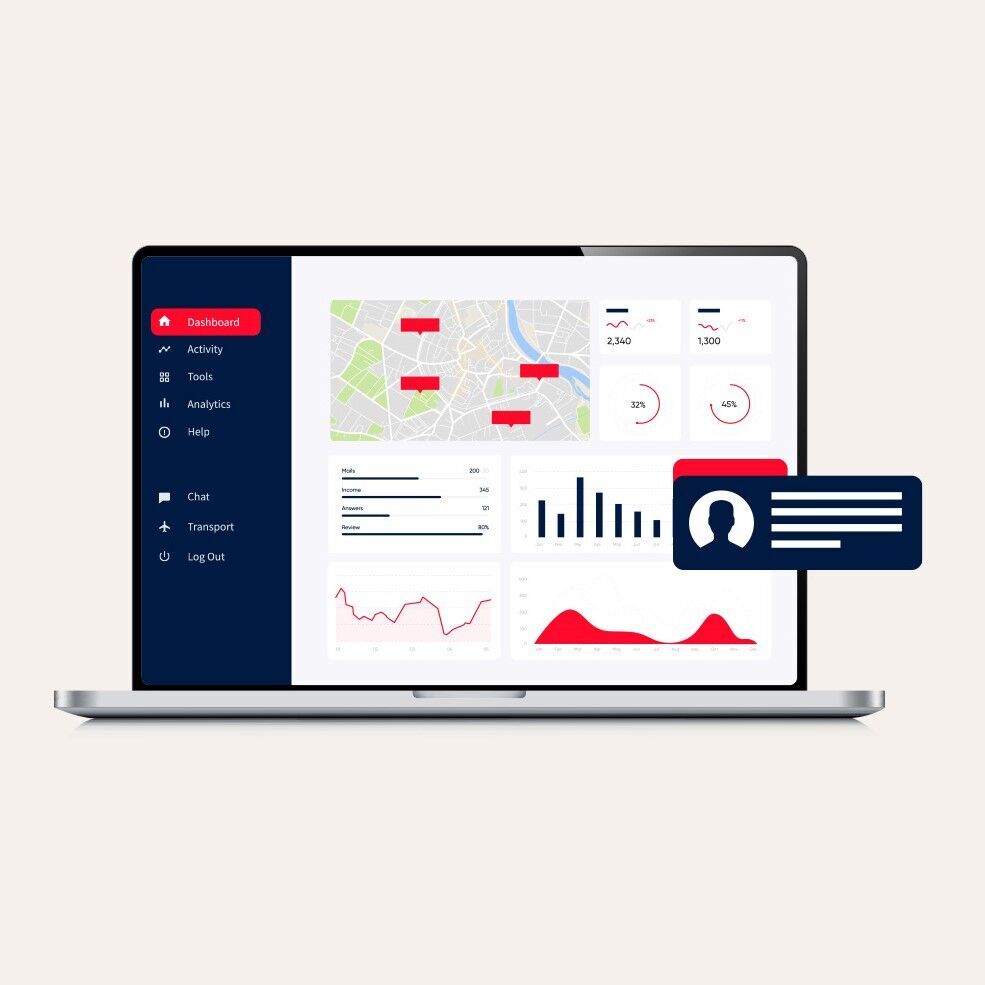
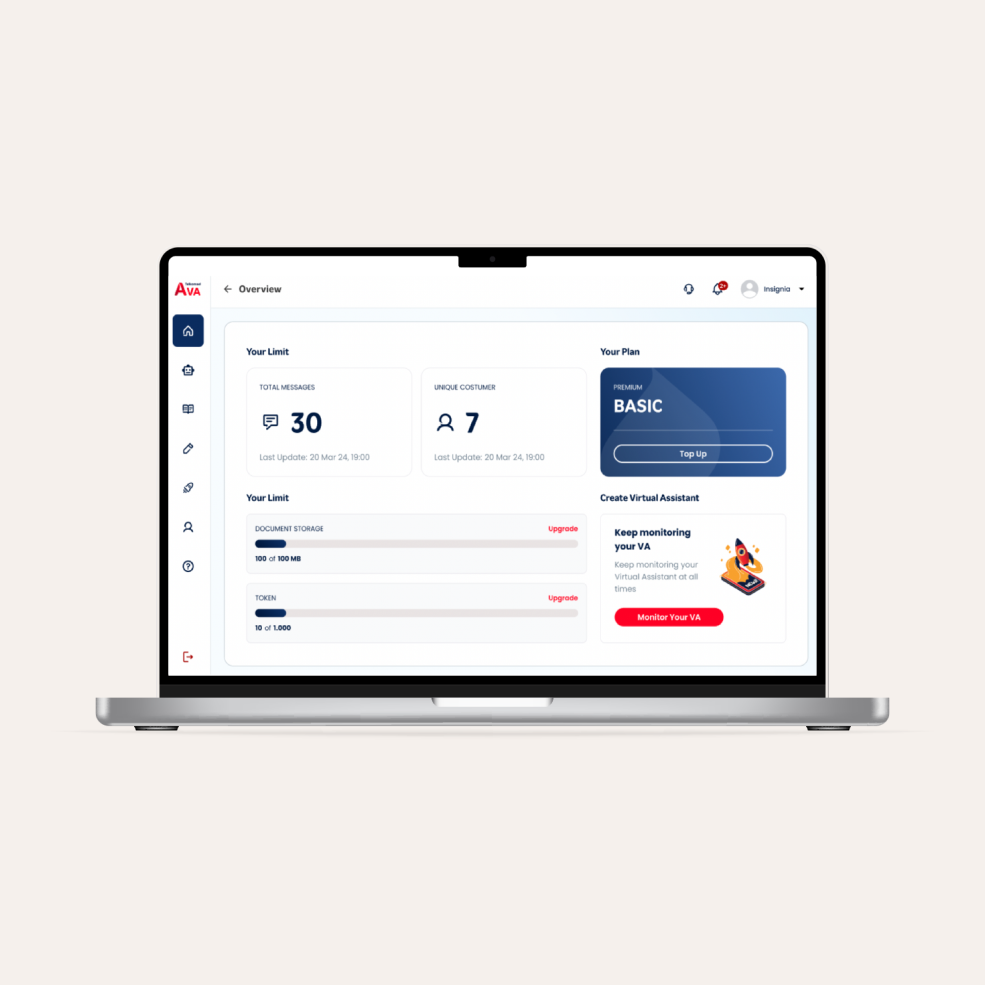
Getting started is simple. Digital banking teams first need to decide which competing banking apps they want to compare. Msight by Telkomsel Enterprise then provides a Competitive Insight Dashboard that brings together user distribution, feature adoption trends, and demographic insights in one view. With this information, product teams can make more informed decisions about their digital roadmaps without waiting for the next annual customer satisfaction survey.
People Also Ask (FAQ)
Q: How is competitive insight for mobile banking different from regular app satisfaction research?
A: Regular satisfaction research usually relies on periodic surveys, and the results may take several months to become available. Competitive insight, on the other hand, continuously tracks feature adoption and app-switching behavior, helping banks spot changes in customer preferences and competitive trends earlier.
Q: What data is monitored through digital banking competitive insight?
A: The data includes the number of active users across banking apps, new feature adoption trends, user demographics, and patterns of customers switching between digital banking apps.
Q: Does this approach identify individual banking customers?
A: No. All insights are processed anonymously and in aggregate, following privacy-by-design principles. The results show behavioral patterns across groups of users, not the identities of individual customers.
Conclusion
As competition among digital banking apps continues to grow, banks that rely only on annual satisfaction surveys may struggle to keep up with changing customer preferences.
Msight, an Insight as a Service solution by Telkomsel Enterprise, helps digital banking teams track feature adoption and monitor competition among banking apps through telco big data. With ongoing insights into market behavior, banks can adjust their digital product strategies faster and make more informed decisions.