




Businesses across diverse industries are increasingly embracing cloud technology to boost efficiency, enhance flexibility, and scale operations effortlessly. However, alongside these technological advancements comes a rise in security threats that can no longer be overlooked.
Cybercrime is surging at an alarming pace. According to Cybersecurity Ventures, the global financial impact of cybercrime is projected to reach a staggering $8 trillion by the end of 2023 and is expected to soar even further to $10.5 trillion by 2025. This overwhelming figure highlights the urgent need for robust cybersecurity measures, especially cloud security to defend against escalating digital threats.
Industry reports such as those from ISACA reveal that nearly half of all businesses (48%) experienced increased cyberattacks in 2023 compared to the previous year, signaling a persistent upward trend. Cyberattacks are far from just a technical issue, but their consequences ripple across operational disruptions, financial losses, and irreversible damage to brand reputation.
Implementing effective cybersecurity protocols, including cloud security, is essential not only as a preventive shield but as a strategic business imperative. This article delves into the essence of cloud security, its critical importance for businesses, the evolving cyber threats, and best practices to safeguard your digital assets in the cloud.
What Is Cloud Security?
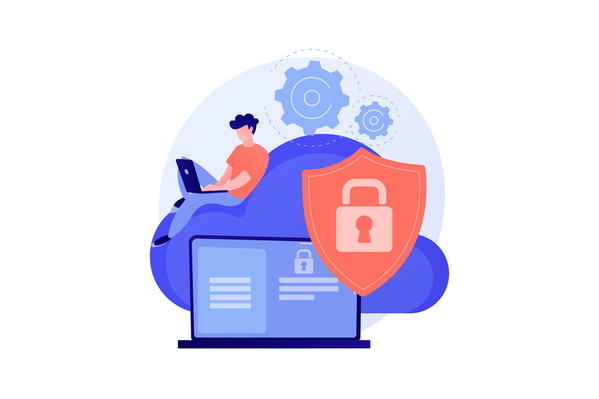
Cloud security comprises a comprehensive set of policies, controls, procedures, and technologies designed to protect cloud-based systems. It safeguards critical data, applications, and infrastructure integral to cloud environments.
For businesses, cloud security extends beyond merely blocking cyberattacks, it ensures smooth operational continuity, protects stakeholder interests, and most importantly, maintains customer trust by securing sensitive information.
Core Components of Cloud Security
Effective cloud security rests on four foundational components. Together, they form a proactive, intelligent, and responsive shield against digital threats.
-
Threat Detection: Identifying and flagging potential threats before they cause damage.
-
Access Management: Controlling who can access what data, and to what extent.
-
Data Protection: Employing encryption and other advanced technologies to keep data secure both at rest and in transit.
-
Incident Response: Rapid, effective measures to contain and resolve security incidents when they occur.
Understanding these components empowers businesses to build a cybersecurity strategy that’s not just reactive, but resilient and future ready.
Cloud Data Threats: External and Internal Risks
As cloud adoption soars, so do the risks. Every business storing data in the cloud is a potential target. To defend effectively, you must first understand your enemy.
External Cyber Threats
According to a report from Badan Siber dan Sandi Negara (BSN), Indonesia is experiencing a increase in cyberattacks year after year. In fact, ransomware, data breaches, and phishing attacks are predicted to continue to dominate in 2023.
In line with the above data, here are some forms of cyberthreats that frequently lurk in cloud systems:
-
DDoS Attacks: Hackers flood your network with traffic, overwhelming servers and crashing services. The result? Downtime, lost revenue, and frustrated customers.
-
Malware & Ransomware: Malicious software infiltrates systems to steal, encrypt, or destroy data. Ransomware takes it further, locking your files and demanding payment for their release. Pay up, and there’s no guarantee you’ll get your data back.
-
Phishing: Deceptive emails, fake websites, or spoofed messages trick employees into revealing passwords or downloading malware. One click can compromise an entire network.
Internal Threats
Not all threats come from outside. In fact, insider risks whether intentional or accidental are among the most dangerous.
-
Malicious Employees: Though rare, a disgruntled employee with access to sensitive data can leak, delete, or sell it. While rare, the damage can be catastrophic.
-
Human Error: Sometimes, without any malicious intent, mistakes such as using an easily guessed password or accidentally clicking on a suspicious link can have a significant impact on cloud data security.
Benefits of Protecting Business Data Security with Cloud Security
Protecting business data security through cloud security not only protects the data itself but also has a broad positive impact on the business.
Here are the benefits of ensuring business data security with good cloud security practices:
1. Shielding Against Cyberattacks
Effective cloud security implementation ensures business data is protected from various types of cyber threats.
By implementing reliable digital security solutions, companies can ensure their data and systems are safe from various types of threats, ranging from unauthorized access to attacks designed to destroy or steal data.
Through this protection, potential attacks can be detected quickly, giving IT security teams the opportunity to take swift action to prevent further damage.
2. Minimizing Financial Risks
Cyberattacks not only threaten data integrity but also brand reputation and financial stability.
In addition to the direct costs associated with recovering from an attack, companies may also lose customers and experience reputational damage that impacts long-term revenue.
Cloud security minimizes the risk of financial loss by preventing potential attacks before they occur. This ensures customer trust and maintains brand image.
3. Building Customer Trust
Customers care deeply about privacy. When they see that your business uses advanced cloud security measures, they feel confident sharing their data.
Companies must demonstrate a serious commitment to security by implementing robust cloud security, building customer trust. This not only impacts customer retention but also builds a positive brand image in the eyes of potential customers.
4. Compliance with Industry Regulations
Network security implementation is also closely linked to regulatory compliance. With the increasing number of regulations issued by governments and industry organizations regarding data security, ensuring that cloud security solutions meet established standards is essential.
Violating these regulations can result in significant fines, sanctions, and other reputational damage.
Best Practices for Reliable Cloud Security
Technology evolves fast and so does cyber threats. Staying ahead requires more than just tools, but it demands smart, proactive strategies. Here are the top cloud security best practices every business should adopt.
1. Multi-Factor Authentication (MFA)
One of the most effective ways to prevent unauthorized access to network security is to implement Multi-Factor Authentication.
MFA ensures that only authorized individuals can access the system. This is typically processed with two or more forms of verification. Sometimes it will be a combination of passwords, OTP codes, or even biometric identification.
Telkomsel Enterprise offers Network Security solutions designed to protect corporate networks and ensure the security of your business data.
2. Data Encryption
Data encryption is the process of converting information into secret code to prevent unauthorized access. By encrypting data while it's in the cloud and during transfer, the risk of information leaks or data theft can be minimized.
3. Role-Based Access Control
In large companies, not all individuals need access to all information. With role-based access management, access rights are set based on an individual's role within the organization, ensuring that information is only accessible to those who truly need it.
4. Regular Updates and Patching
Cybersecurity is a constantly evolving field. New attacks emerge daily, and systems need to be updated to stay secure. Regular updates and patching ensure systems are always protected from the latest vulnerabilities.
5. Real-Time Monitoring and Intrusion Prevention
By using monitoring tools, companies can detect suspicious activity in real time. If any unusual activity is detected, the security team can take immediate action to prevent potential threats.
Popular Cloud Security Tools and Solutions
Choosing the right tools is half the battle. Here are the most effective cloud security solutions trusted by enterprises worldwide.
1. Firewall-Based Security
A firewall is the first line of defense in protecting IT infrastructure. Firewall-based network security tools aim to block unauthorized access, filter network traffic, and ensure that only authorized traffic can pass through the system.
Firewall solutions for the cloud are typically more flexible and can be customized to meet business needs.
2. Identity and Access Management (IAM)
Controlling who has access to data and other business assets is crucial. Identification and access management solutions, such as Identity and Access Management (IAM), enable companies to assign access rights based on a user's identity and role within the company.
Furthermore, these solutions can automate processes such as creating, modifying, or deleting access rights.
3. Security Monitoring Platforms
As mentioned previously, detecting threats in real time can be extremely helpful in preventing attacks.
Security monitoring platforms monitor activity within cloud infrastructure and issue alerts when suspicious activity is detected. Some platforms also offer automated capabilities to take action when they identify potential threats.
4. Threat Detection and Response Tools
Beyond threat detection, a rapid and effective response is essential. Threat detection and response tools not only provide insight into emerging threats but also provide recommendations on what steps to take to address them.
The choice of tools and solutions naturally depends on business needs and the scale of the company. However, by combining several of the solutions mentioned above, companies will have a stronger defense against various types of cloud security threats.
Common Mistakes in Cloud Security Implementation
Human error remains a critical weak point despite technological advances. Avoiding these mistakes can strengthen defenses:
1. Misconfigured Security Settings
While technology can help, the human factor still plays a crucial role. Unfortunately, human error, whether due to ignorance, negligence, or carelessness, often creates loopholes exploited by attackers.
Therefore, recognizing common mistakes in cloud security implementation will help businesses improve their security posture.
2. Overreliance on Cloud Providers
Many companies assume that security responsibility rests solely with their cloud service providers. However, cloud security typically follows a shared responsibility model.
While service providers will guarantee the security of their infrastructure, companies remain responsible for the data and applications they host.
3. Lack of Employee Training
Employees are the first line of defense in any security strategy. If they don't understand the risks or don't know how to work securely, they can easily become points of exploitation.
Investing in security training for employees is a crucial step in preventing information leaks and other attacks.
Identifying and understanding these mistakes is the first step in preventing them. With a proactive approach and a commitment to continuous learning, businesses can minimize risks and ensure that their data and digital assets remain secure in the cloud.
Conclusion
Protecting business data is an indispensable priority as cloud technology becomes the backbone of modern operations. Understanding cloud security, from its core principles to emerging threats and best practices, equips businesses to defend themselves in an increasingly perilous digital environment.
Security is not just the IT department’s responsibility, but it requires commitment across the entire organization. Each prevented attack, every swiftly managed incident, and all data safely stored in the cloud contribute to lasting customer trust and business success.
Telkomsel Enterprise offers advanced Network Security solutions tailored to protect your company’s digital infrastructure. Features like virus and malware database integration, comprehensive data segmentation, and real-time threat updates combine with seamless cloud and on-premises integration for end-to-end protection.
Safeguard your business network against cyber threats with Telkomsel Enterprise Network Security. Contact us today to discover how our solutions can enhance your cybersecurity and operational efficiency.