




Protecting employees, valuable assets, and proprietary business information demands a comprehensive, layered security strategy. At the heart of this approach lies the integration of advanced CCTV systems, which have evolved far beyond basic surveillance.
Modern CCTV technologies now incorporate smart video analytics, facial recognition, and real-time alert mechanisms. These innovations empower businesses to identify suspicious activities instantly and respond proactively, preventing incidents before they escalate. This seamless integration not only safeguards critical assets but also streamlines security investigations with precise visual evidence.
The Indonesian market exemplifies the growing demand for CCTV systems, with an impressive annual growth rate forecast of 12.1% from 2023 to 2029. This surge is driven by diverse sectors including banking and finance (BFSI), healthcare, transportation, education, retail, and various business domains. Such widespread adoption underscores the vital role of CCTV in maintaining comprehensive security across industries.
Given this trend, strategically integrating CCTV with broader corporate security frameworks can dramatically improve operational efficiency and protect business continuity. This article explores five essential strategies to optimize CCTV integration within your enterprise security plan.
Why Your Company Needs CCTV Systems
Corporate security is no longer limited to guarding physical premises. Modern enterprises must also protect sensitive data and ensure seamless business continuity. Here are several compelling reasons why implementing CCTV systems is essential:
1. Crime Deterrence and Prevention
The visible presence of CCTV systems acts as a strong deterrent against criminal activities such as theft, vandalism, and unauthorized access. It not only discourages external threats but also minimizes the risk of internal misconduct or unethical behavior by employees.
2. Incontrovertible Evidence Collection
In the event of security breaches, CCTV footage provides undeniable visual proof, critical for law enforcement investigations and legal proceedings. High-quality recordings help identify perpetrators and establish clear event timelines.
3. Enhanced Security Awareness and Responsiveness
Real-time monitoring through CCTV systems enables immediate response to unusual or emergency situations. Whether it’s detecting unauthorized entry or managing crowd control, instant visibility allows for faster decision-making.
4. Operational Efficiency Boost
With CCTV systems, management can monitor employee adherence to procedures and workflows, ultimately boosting productivity and reducing efficiencies. Compared to deploying numerous human supervisors, automated monitoring proves more cost-effective and scalable.
Moreover, data analysis from recorded footage can reveal patterns and areas needing improvement in daily operations.
5. Building Stakeholder Confidence
A well-implemented CCTV system enhances trust among clients, investors, and staff. It demonstrates a company’s commitment to safety and integrity, two pillars of long-term reputation building.
6. Regulatory Compliance
In many industries, having CCTV installation in place is not just a best practice but a regulatory requirement. From financial institutions to manufacturing units, compliance with local laws and international standards often mandates continuous surveillance.
Understanding CCTV Systems
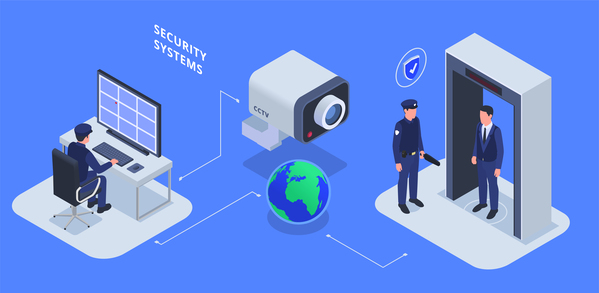
Closed-Circuit Television, or CCTV, refers to a network of video cameras used to monitor specific locations. A standard consists of cameras, recording devices, and software platforms that manage video output and storage.
1. Core Components of a CCTV System
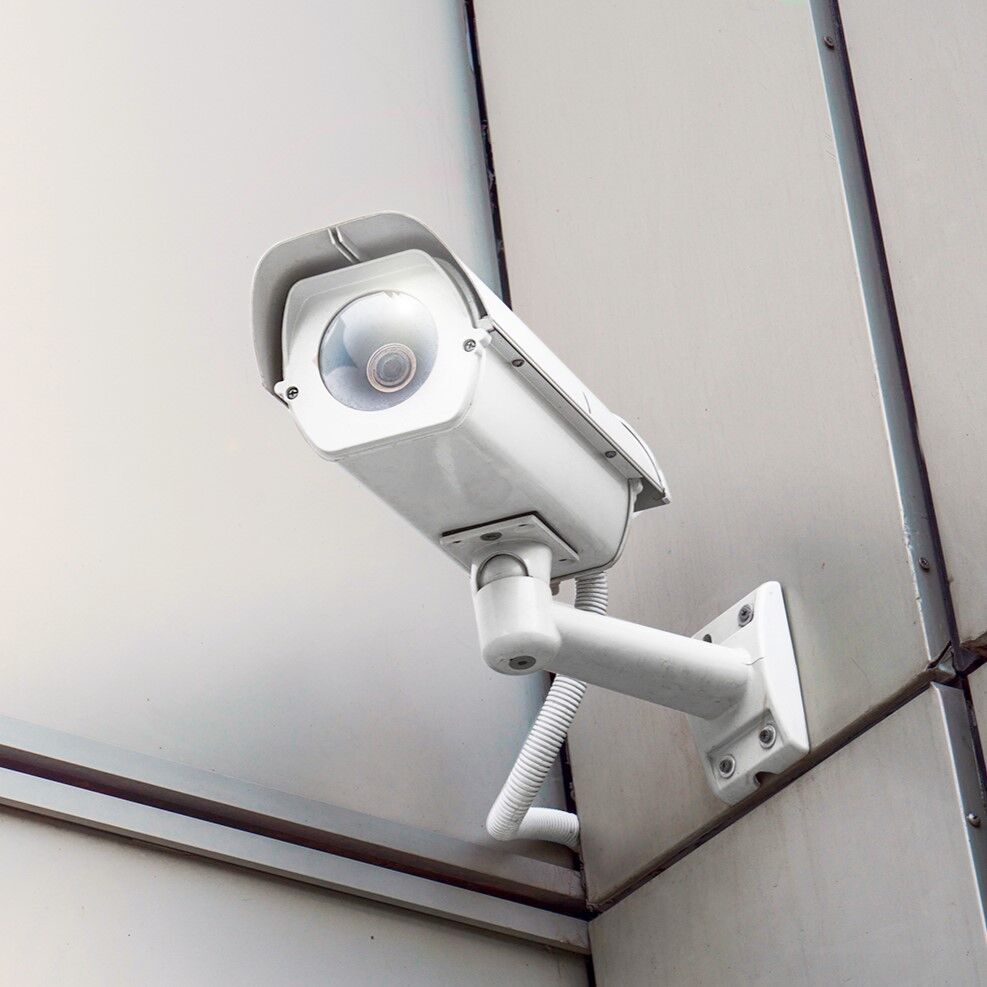
At the heart of any CCTV system are strategically placed cameras. These vary widely in design and functionality, from fixed-position models to remotely controllable PTZ (Pan-Tilt-Zoom) units.
Supporting components include Digital Video Recorders (DVRs) or Network Video Recorders (NVRs), which store video data for later retrieval. These recordings can be accessed locally or via cloud-based platforms, depending on the system setup.
2. Types of CCTV Systems
Depending on your organization’s needs and budget, you can choose from several types of CCTV systems:
-
Analog CCTV: Traditional systems use coaxial cables to transmit video signals to a DVR. While cost-effective and easy to install, analog systems typically offer lower image resolution.
-
Digital or IP-Based CCTV: These leverage IP networks to transmit high-definition video, allowing remote access and greater integration with existing IT infrastructure.
3. How to Choose the Right System
Selecting the ideal CCTV system requires careful evaluation of several factors:
-
Budget: Determine initial investment and ongoing maintenance costs.
-
Location Size and Complexity: Larger or complex facilities may require more sophisticated setups, including multiple camera types and coverage zones.
-
Security Needs: Consider whether you need 24/7 monitoring, night vision capabilities, motion detection, or AI-powered analytics.
Five Key Strategies for Integrating CCTV Systems in Your Company
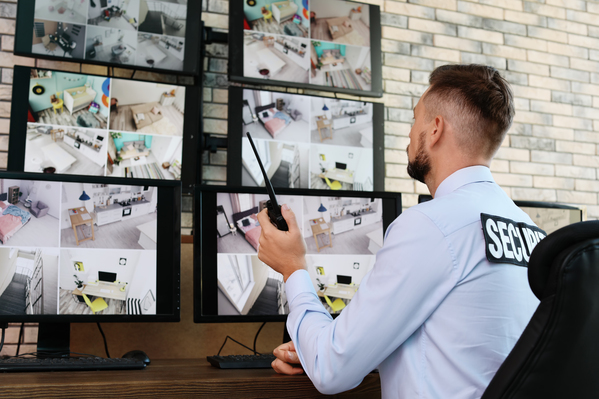
Planning the integration of CCTV systems with corporate security requires a strategic approach. Here are the steps:
1. Identify Vulnerable Zones
Begin by conducting a comprehensive risk assessment to pinpoint critical zones that require surveillance. High-risk areas might include server rooms, storage facilities, reception areas, and loading docks.
During this phase, consider asset value, foot traffic, and potential threats. Identifying priority zones ensures optimal allocation of resources and maximizes the impact of your CCTV system.
2. Select Appropriate CCTV Equipment
Choosing the right CCTV system depends on various technical and practical considerations:
-
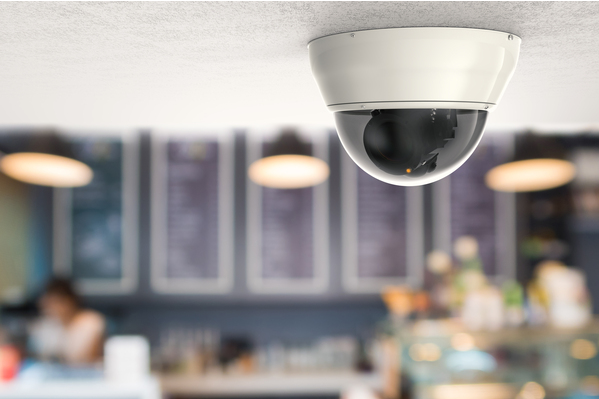
Camera Type: Fixed, PTZ, infrared, or dome cameras, each serving different purposes.
-
Image Resolution: Higher resolution offers better clarity and detail, aiding identification efforts.
-
Storage Options: Decide between on-premises storage (DVR/NVR) or cloud-based solutions, weighing pros and cons related to scalability and data security.
3. Plan Precise Installation
Once the system is selected, professional installation becomes crucial. Key aspects include:
-
Camera Placement: Strategically position cameras to eliminate blind spots and maximize coverage.
-
Network Infrastructure: Ensure your network supports stable video transmission, especially for IP-based systems.
-
Regulatory Compliance: Adhere to privacy and data protection laws to avoid legal complications.
Working with experienced vendors ensures proper setup and alignment with both technical and legal standards.
4. Integrate with Other Security Technologies
Combine CCTV systems with access control, alarm systems, and motion detectors to create a comprehensive security ecosystem. This integration enables faster, coordinated responses, and enhances overall situational awareness.
5. Implement Ongoing Monitoring and Maintenance
Ongoing management is essential for maintaining performance. Regular checks, software updates, and hardware inspections ensure the system remains functional and up to date.
Monitoring should also evolve with changing security dynamics, adapting settings, and alert thresholds to new risks and operational demands.
Conclusion
Integrating CCTV systems into your corporate security plan is not just a precaution, but it's a strategic in the digital era. Beyond deterring crime, CCTV enhances situational awareness, asset protection, and operational productivity.
Investing in advanced CCTV solutions unlocks benefits such as real-time alerts, 24/7 monitoring, and valuable data insights that inform smarter business decisions.
For businesses aiming to fortify security and optimize operations, Telkomsel Enterprise offers IoT Managed CCTV, a tailored, integrated CCTV management service. This solution supports industries like banking, finance, and mining operations by enabling sensor-based monitoring, safety compliance, and rapid incident response.
IoT Managed CCTV delivers powerful features including instant alerts, continuous monitoring, and actionable analytics. Boost your company’s security posture and operational efficiency with this cutting-edge technology. Contact us today to learn more!