


If you believe that a secure server and a basic firewall are enough to protect your company’s digital assets, it’s time for a wake-up call. In today’s hyper-connected, mobile-first world, the greatest threat to data security isn’t lurking in distant hacker forums. It’s walking out of your office each evening in the form of employees’ personal smartphones, laptops, and tablets.
With the rise of Work-from-Anywhere (WFA) policies and Bring Your Own Device (BYOD) cultures, the frontline of data and information security has shifted dramatically. The once-centralized fortress of your corporate server is now fragmented across countless unmanaged endpoints, each one with a potential entry point for breaches, leaks, or accidental exposure.
So, in a landscape where data is your most valuable asset, how do you ensure that your data security measures are truly effective?
What is Data Security?
Simply put, data security refers to the practices and strategies used to protect valuable and sensitive information from unauthorized access, corruption, or theft. It ensures that only authorized individuals can access specific data.
For example, financial documents should only be accessible to the finance team, while customer data should only be managed by the customer service team. Data security also involves protecting against data loss, damage, or misuse, whether from internal or external threats.
Why We Need Data Security
Maintaining data and information security is more than just safeguarding secrets, it’s the backbone of business continuity and trust. If customer data or sensitive internal information is exposed, the risks go far beyond immediate financial losses. A breach can significantly erode customer trust, which is difficult to regain.
Thus, data security is not a task to be delayed or neglected. It should be viewed as a strategic initiative to protect your most valuable assets, which are information and reputation.
Types of Data Security Measures
Every company approaches data protection differently, but here are some common methods used to ensure data remains secure:
1. Data Encryption
Encryption is the process of converting data into unreadable code that can only be deciphered with a special key. This technique is essential for securing data exchanges, such as sending files or messaging, ensuring that even if the data is intercepted, it cannot be understood.
2. User Authentication
Before someone can access sensitive data or systems, their identity must be verified. Authentication methods range from simple passwords and PINs to biometric data like fingerprints or facial recognition. It ensures that only authorized individuals can access your data.
3. Tokenization
Tokenization replaces sensitive information with a substitute value or token. The real data is stored in a secure location, and only the token is used in transactions. This technique is widely used in financial transactions, reducing the risk of exposing critical data like credit card numbers.
4. Access Control
Not every employee needs access to every piece of data. Access control systems regulate who can view or edit specific information based on their role.
For example, the marketing team shouldn't be able to access payroll data, and the HR team shouldn't have access to marketing campaign data. Proper access management reduces the likelihood of data misuse.
5. Data Masking
Data masking involves obfuscating sensitive information when it needs to be used for testing or training. For instance, customer names or credit card numbers might be masked, ensuring that real data isn’t exposed during non-production activities.
The Importance of Data Security
Data protection is not just about preventing disasters. There are long-term advantages that come with safeguarding your data:
1. Protect Sensitive Information
Data like customer identities, internal documents, and strategic plans are critical to your business. Securing them prevents misuse that could harm the organization’s reputation or lead to financial damage.
2. Preserve Customer Privacy and Trust
Customers are more likely to engage with companies that prioritize data security. When they know their personal information is protected, trust naturally grows. This trust is an invaluable asset for sustaining long-term relationships.
3. Maintain a Competitive Edge
Information is a strategic asset. If your business data is leaked, competitors could exploit that information to their advantage. By securing your data, you’re safeguarding your company's competitive advantage, keeping you ahead in the market.
Company Data Protection Strategies and Technologies
Securing your company’s data isn’t just about adopting the latest technology, it’s about consistent practices and employee awareness. Here are some practical steps companies can take to protect their data:
1. Use Firewalls to Secure Your Network
A firewall acts as a barrier, monitoring data traffic coming in and out of your network. When configured correctly, it can block suspicious activity, preventing unauthorized access to your systems.
2. Keep Antivirus Software Updated
Digital threats like malware are always evolving. Regular software updates and an active antivirus program help prevent your systems from being compromised due to outdated software vulnerabilities.
3. Educate and Raise Employee Awareness
Many data breaches occur due to human errors rather than technical failure. Providing employees with training on phishing attacks, creating strong passwords, and reporting incidents can help prevent leaks caused by carelessness.
4. Implement Role-Based Access Controls
Not every employee needs access to every file. By applying role-based access control (RBAC), you can limit data access to only those who need it to perform their job. This minimizes the risk of sensitive data being exposed or misused.
5. Monitor Network Activity Regularly
Continuous network monitoring can help detect abnormal activities, such as logins from suspicious locations or excessive bandwidth use. The sooner irregularities are spotted, the quicker they can be addressed before they lead to a security breach.
Don’t Wait for a Data Breach to Happen
Protecting your company's data goes beyond just having sophisticated systems in place. It requires consistent habits, discipline, and strategic decisions aimed at safeguarding data and information. That’s where Mobile Device Management (MDM) comes in.
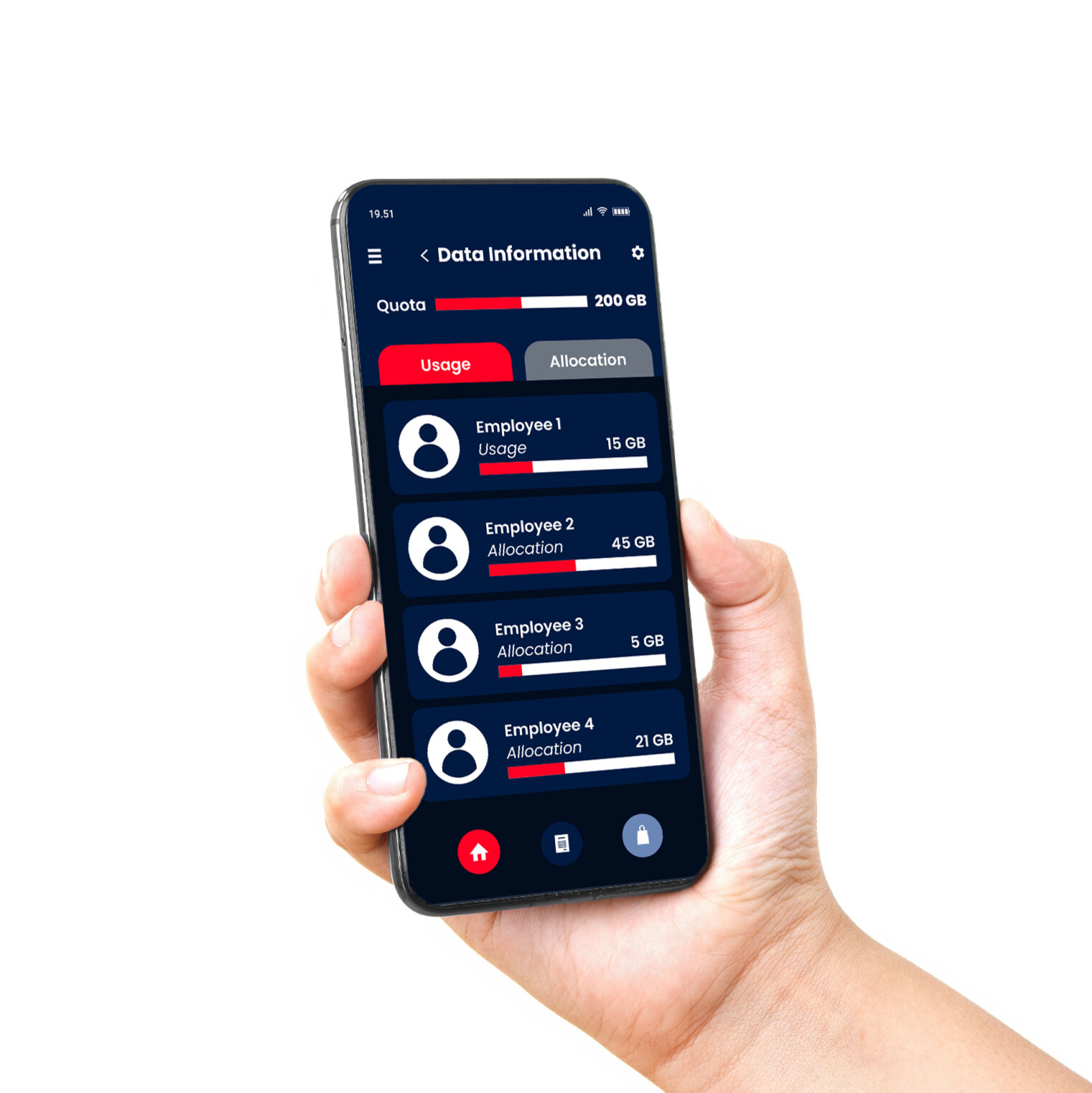
MDM solutions, like those offered by Telkomsel Enterprise, provide integrated security systems that allow businesses to manage device access, secure networks, and monitor usage across multiple devices, ensuring data remains safe even when employees work from various locations.
With MDM, companies can enforce security policies and provide real-time visibility into mobile devices, enabling remote management and quick responses to potential threats.
Want to learn more about how MDM can strengthen your business's data security? Get in touch with us for a consultation here and discover the best solution for your needs.