




The demand for instant and highly responsive customer service is reshaping the way businesses engage with their customers. Emerging at the forefront of this transformation is the voicebot, an innovative technology fueled by generative AI that is redefining customer interactions and service efficiency.
Customer service has undergone a profound evolution, shifting from traditional human-operated calls to intelligent, always-on voice assistants. Voicebot ushers in a new era of 24/7 availability, allowing companies to engage customers at any time of day or night without interruption. This shift is more than convenient, but it’s a strategic advantage in today’s fast-paced market.
According to Deloitte’s recent insights, the global market for conversational AI models, including chatbots and voicebot is projected to soar with a compound annual growth rate (CAGR) of 22% from 2020 to 2025, nearing a staggering US$14 billion by 2025. This rapid growth signals a strong industry priority toward adopting AI-powered customer engagement tools, with adoption rates expected to double within the next few years.
A key driver behind this surge is Generation Z, the digital-native consumers who embrace voice technology with enthusiasm. Nearly 46% of Gen Z users interact with voice assistants monthly, a noticeable increase from 39% in 2020. Their preference for the effortless and intuitive experience voicebot provide fuels this trend, inspiring businesses to follow suit.
This article dives deep into what voicebots are, their remarkable benefits, challenges businesses might face, and practical guidance for successful implementation. Explore how integrating voicebots can elevate customer interactions and business outcomes alike.
What Exactly Is a Voicebot?
You’re probably familiar with voice assistants like Siri, Google Assistant, or Alexa, they’re everyday examples of voicebot. But what truly defines a voicebot, and how does it work?
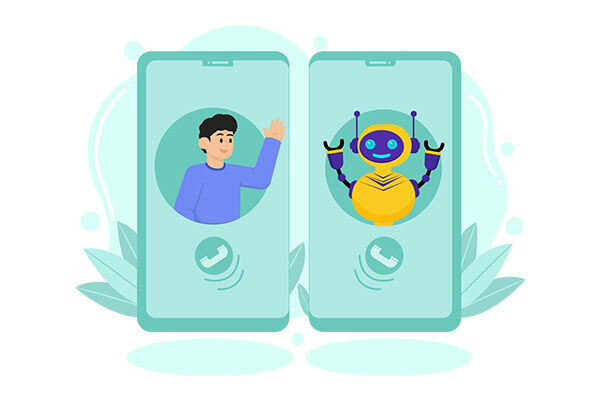
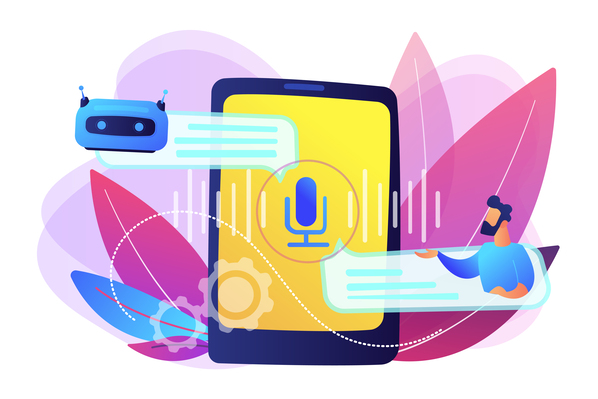
At its core, a voicebot short for voice-powered robot is a sophisticated software program designed to communicate with humans through spoken language. Unlike text-based chatbots, voicebot process, understand, and respond using natural voice conversations.
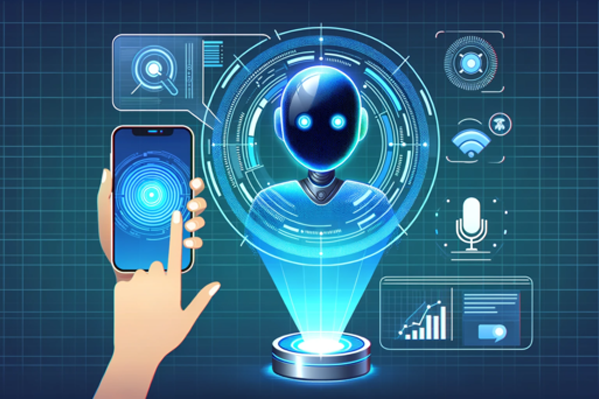
Powered by generative AI, these voicebot don't just deliver scripted replies, but they generate dynamic, context-aware, and conversationally natural responses that mimic human interaction. This capability allows businesses to provide a customer service experience that feels personable and authentic.
Voicebot has evolved tremendously. Early versions were limited by poor voice recognition and rigid answers. Today, thanks to breakthroughs in AI, voicebot can interpret accents, understand contextual nuances, and grasp the intent behind customers’ words.
They’ve progressed from simple information dispensers to complex virtual agents capable of scheduling appointments, offering tailored recommendations, and assisting customers in making informed purchase decisions. No wonder voicebot are now at the top of many companies’ customer service innovation agendas.
Benefits of Implementing Voicebot in Business
The shift toward AI-powered voice assistants isn’t just about innovation, but it’s about delivering measurable value. Companies across industries are leveraging voicebot for customer service to unlock a host of strategic advantages. Let’s explore the key benefits in detail.
1. 24/7 Always-On Customer Support
Imagine a business that never sleeps, always ready to serve customers whenever they need it. With a voicebot, 24/7 non-stop service is no longer just a dream.
Furthermore, not all companies have the resources to run customer service around the clock. With a voicebot, companies can ensure that every customer receives a response, even outside of business hours.
2. Reduced Human Resource Strain
One of the biggest misconceptions about automation is that it replaces humans. In reality, voicebot empowers human teams by handling repetitive, low-complexity tasks, freeing up customer service agents to focus on high-value, emotionally sensitive, or complex inquiries.
From answering FAQs to processing refunds or updating account information, voicebot manage routine interactions efficiently, reducing operational strain and boosting overall team productivity.
This strategic redistribution of responsibilities leads to a more engaged workforce and a more efficient customer service model.
3. Instantaneous, Automated Responses
Customers today expect answers now, not in five minutes, not after listening to music. With voicebot automation, response times drop from minutes to seconds.
Whether it’s checking order status, resetting passwords, or providing store hours, voicebot delivers real-time solutions without delays. This immediacy significantly enhances user satisfaction and reduces frustration, especially during peak traffic periods.
4. Elimination of Long Wait Times
Remember the frustration of calling customer service only to hear, 'All our agents are busy. Please wait?' Voicebot eliminates that experience entirely.
By instantly connecting with callers, voicebot ensures zero wait times, creating a smoother, more pleasant interaction from the very first second. This alone can dramatically improve Net Promoter Scores (NPS) and customer retention.
5. Scalable Customer Interactions
Whether you're serving 10 customers or 10,000 simultaneously, voicebot scale effortlessly. During high-demand periods like flash sales, product launches, or seasonal spikes, voicebot handle surges in volume without requiring additional staffing.
This scalability ensures consistent service quality, regardless of demand fluctuations, making voicebot ideal for e-commerce, telecom, banking, and healthcare sectors.
6. Handling Peak Demand Without Extra Costs
When businesses are running big promotions or special events, the number of customer service requests can increase dramatically. With voicebot, companies eliminate the need to hire additional staff, thus saving on operational costs.
7. Seamless Integration with Existing Technologies
Voicebot easily connects with CRM systems, data analytics platforms, and other enterprise tools. This integration streamlines workflows and enriches the customer experience through more personalized and informed interactions.
How Voicebots Are Transforming Customer Interactions
The true power of voicebot lies not just in automation, but in reinventing the customer journey. Here’s how they’re reshaping the dynamics of customer engagement.
1. Voicebot vs. Traditional Customer Service
Traditional customer service often involves long wait times, rigid scripts, and inconsistent experiences. In contrast, voicebot offers immediate, consistent, and scalable support.
While human agents remain essential for complex issues, voicebot excel at handling the first line of contact, qualifying inquiries, gathering information, and routing cases appropriately. This hybrid model combines the best of both worlds: AI efficiency with human empathy.
2. Hyper-Personalized Experiences
One of the advantages of voicebots is their ability to personalize interactions. By accessing data from CRMs or other databases, voicebots can recognize customers and provide recommendations or solutions tailored to their needs and preferences.
3. Context-Aware Conversations Through Interaction History
Every time a customer interacts with a voicebot, that data can be stored and analyzed. This allows the voicebot to 'recognize' the customer and provide more appropriate service based on previous interactions.
4. Increased Efficiency and Productivity
By eliminating redundant steps and automating workflows, voicebot drastically reduces resolution time. Customers don’t need to repeat their information or navigate endless IVR menus. Instead, they speak naturally and the voicebot understands.
This streamlined process reduces friction, minimizes errors, and accelerates problem-solving, leading to higher first-contact resolution rates and improved operational KPIs.
5. Consistent, Emotionally Stable Customer Experience
Human agents are incredible but they’re also human. Mood, fatigue, and stress can affect service quality. Voicebot, on the other hand, delivers perfectly consistent performance every single time.
No matter how many calls they handle, voicebot maintain the same tone, accuracy, and professionalism. This reliability builds customer confidence and sets clear expectations for service quality.
How to Successfully Implement Voicebot in Your Business
Integrating a voicebot into your business operations requires careful planning. Here are some key steps in voicebot implementation:
1. Choosing the Right Platform
Selecting a voicebot solution requires thorough research to identify platforms that align with your business needs, scale, and technical infrastructure. Features such as natural language understanding, API integration, and customization options should be top priorities.
If uncertain, Telkomsel Enterprise offers an advanced Communication Platform as a Service (CPaaS) that provides programmable voice capabilities, voicebot AI, text-to-speech, and seamless integration options.
2. Cost, Scope, and Scale Considerations
Although voicebot promises long-term savings, upfront investment for setup, staff training, and ongoing maintenance is necessary. Companies must balance these factors against anticipated scale and service complexity.
3. Smooth Integration with Existing Systems
Voicebot should complement existing telephony, CRM, and digital platforms. Proper integration ensures a frictionless customer journey and maximizes return on technology investments.
4. Training and Continuous Improvement
Even with automation, voicebot requires ongoing training to understand diverse dialects, accents, and evolving customer needs. Regular updates guarantee sustained performance and relevance.
Overcoming Voicebot Adoption Challenges
Despite their advantages, voicebot aren’t without challenges. Being aware of potential pitfalls allows businesses to prepare and mitigate risks effectively.
1. Speech Recognition Accuracy
Voice recognition technology has advanced rapidly, but it's not perfect. Voicebot can sometimes have difficulty understanding instructions. This can lead to incorrect responses in the service.
2. Handling Complex or Emotional Queries
Voicebots excel at routine tasks but may struggle with nuanced or emotionally charged situations. The solution? Seamless handoff to human agents.
Design your system to detect frustration, confusion, or complex needs and automatically escalate to a live representative with full context transfer.
3. Dialect and Accent Adaptation
In multilingual or multicultural markets like Indonesia, understanding regional dialects (e.g., Javanese, Sundanese, or Balinese accents) is critical. Invest in localized training data and continuous learning to improve comprehension across demographics.
4. Data Privacy and Security Concerns
Voicebots process sensitive customer data like names, addresses, transaction details. Ensuring data encryption, secure storage, and compliance with regulations (like GDPR or Indonesia’s PDP Law) is non-negotiable.
Choose platforms with built-in security protocols and regular audits to protect customer trust.
Conclusion
Voicebots powered by generative AI represent a groundbreaking leap forward in customer service innovation. They enable businesses to deliver fast, personalized, and reliable support round-the-clock while optimizing operational costs.
To maximize these benefits, companies must carefully plan voicebot adoption by selecting suitable technologies, integrating seamlessly with existing systems, and investing in continuous training and security.
Telkomsel Enterprise’s CPaaS platform offers a comprehensive, secure communication ecosystem featuring programmable voice, AI-powered voicebots, and cross-channel capabilities designed to enhance business communications efficiently.
Elevate your customer service experience and operational agility with Telkomsel Enterprise’s cutting-edge voicebot solutions, bringing your business closer to customers, anytime, anywhere.