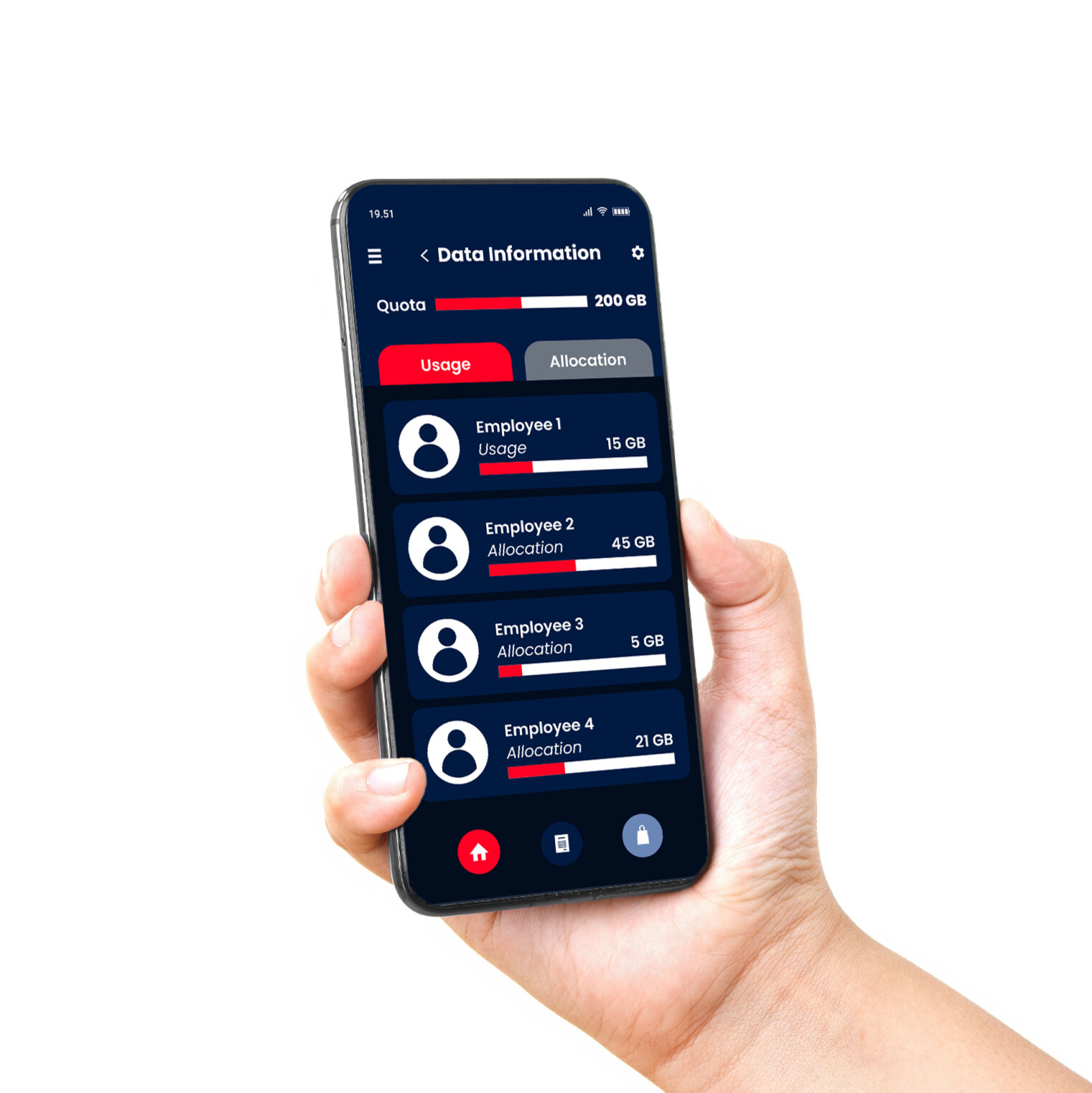



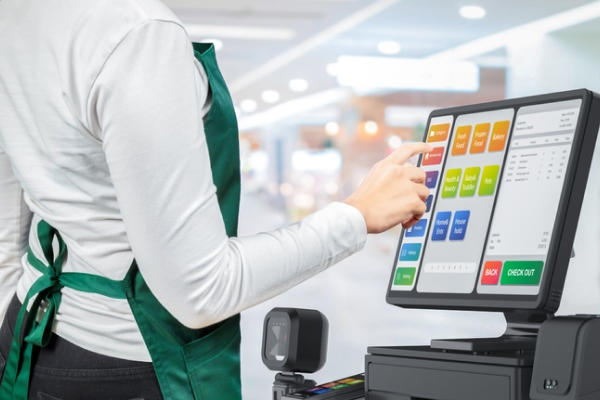


Sales monitoring is an essential aspect of modern business management. Not only does it aid business leadership in making strategic decisions, but it also provides valuable insights into sales team activities, marketing effectiveness, and customer satisfaction.
Therefore, implementing a robust sales monitoring system is a critical step in ensuring that business operations remain efficient and competitive amidst a tight market environment. If you're looking to understand more about sales monitoring and how it can enhance your business operations, read on!
What is Sales Monitoring?
Sales monitoring refers to the ongoing process of tracking, recording, and analyzing all sales activities within a business. With a dedicated system in place, your company can monitor sales performance in real-time, tracking metrics such as the number of transactions, generated revenue, and the achievement of sales targets by your team. Essentially, a sales monitoring system serves as a control tool, helping management ensure that sales strategies are being executed effectively.
Beyond raw numbers, sales monitoring also provides deep insights into market trends, consumer behavior, and the effectiveness of products or services offered. For example, companies can identify which products are most popular, which regions hold significant potential, and which promotional strategies yield the best results. This data helps in formulating improvements or innovations to ensure continued sales growth.
In today’s digital era, sales monitoring has become even more advanced, thanks to technology such as cloud-based applications, interactive dashboards, and integration with Customer Relationship Management (CRM) systems. This evolution makes it easier for management and sales teams to access crucial information anytime, anywhere. With better transparency, companies can boost productivity, speed up decision-making, and stay competitive.
Why is Sales Monitoring Important for Businesses?
The application of sales monitoring extends far beyond just tracking sales figures. It provides numerous strategic benefits that can enhance overall business performance. Here are some key reasons why sales monitoring is critical for your company:
-
Tracking Employee Performance
Sales monitoring allows businesses to track the real-time performance of each team member. By analyzing this data, management can identify who is meeting their targets, who requires additional support, and which areas need more attention. This accurate monitoring enables better productivity and motivation across the team.
-
Ensuring Employee Presence
For businesses with field teams or salesforces, employee attendance is vital. Sales monitoring ensures that every team member is present at the assigned location and performing their tasks as scheduled. This system helps maintain discipline while ensuring operational efficiency.
-
Mitigating On-the-Ground Issues
With proper monitoring, businesses can quickly identify and address issues or barriers in the field. These might include delivery delays, sales obstacles, or customer complaints. By addressing these challenges swiftly, businesses can minimize risks and maintain a positive reputation.
-
Monitoring Key Performance Indicators (KPIs)
Sales monitoring simplifies the process of measuring KPIs such as transaction numbers, sales value, or conversion rates. This data helps management evaluate if sales strategies are on track and adjust when necessary.
-
Informing Strategic Decision-Making
Sales monitoring data is invaluable in making informed, data-backed decisions. For instance, your company can optimize resource distribution, design incentive programs, or decide on expansion areas based on real-world data.
-
Improving Sales Efficiency
By tracking sales activities in real time, your business can pinpoint inefficient processes and make necessary improvements. This not only boosts team productivity but also accelerates the achievement of sales targets.
-
Understanding Employee Wellbeing
For field-based teams working across various locations, sales monitoring helps management assess the physical condition of employees. Tracking work hours, workload, and daily activities ensures the team’s wellbeing, enabling them to perform at their best.
Sales monitoring isn’t just a surveillance tool, it’s a strategic instrument for boosting efficiency, productivity, and overall business decision-making. When implemented effectively, it helps keep team performance high, minimize risks, and ensure sustainable business growth.
How to Implement Effective Sales Monitoring
To make your sales monitoring truly effective, you need to follow a structured and measurable approach. Below are key steps to consider when implementing sales monitoring:
-
Develop a Clear Sales Plan
Start by creating a well-defined sales plan. This should include short, medium, and long-term targets, marketing strategies to be used, and resource allocation. A solid plan ensures that your sales monitoring efforts are targeted and aligned with business objectives.
-
Select the Right Sales Team
The success of sales monitoring largely depends on the quality of the sales team. Each member should possess the skills and expertise suited to the target market. Sales monitoring becomes far more effective when the right people are placed in the right roles, whether it’s by dividing territories or targeting specific customer segments.
-
Set Realistic Sales Targets and Quotas
For sales monitoring to be effective, set realistic and measurable targets. These could include the number of units sold, transaction values, or new customer acquisitions. Quotas help objectively track individual and team performance through the monitoring system.
-
Track Order Fulfillment
Sales monitoring isn’t just about reaching targets, it also involves tracking the entire order process from start to finish. By monitoring order statuses, your company ensures timely deliveries and can identify potential distribution issues before they escalate.
-
Identify Potential Customer Profiles
The effectiveness of sales monitoring also depends on your ability to process data to uncover new customer opportunities. By analyzing market trends, your company can devise targeted approaches, while customer profiles guide sales teams to prioritize high-conversion prospects.
-
Track Order History
Tracking past customer orders offers valuable insights into buying patterns, product preferences, and transaction frequency. This information can be used to develop upselling or cross-selling strategies. Sales monitoring can link past data to future opportunities, enhancing overall sales efforts.
-
Gather Sales Data
Document every transaction systematically. Sales data should include details like sales volume, product type, location, and payment methods. This data will be essential for analysis, allowing you to assess trends, team strengths and weaknesses, and future business strategies.
-
Leverage Sales Force Automation (SFA)
Sales Force Automation (SFA) technology is crucial for streamlining sales monitoring processes. It automatically tracks sales activities, monitors locations, generates performance reports, increasing efficiency and reducing human error.
Benefits of Sales Monitoring for Businesses
When applied correctly, a sales monitoring system provides a range of significant benefits:
-
More Effective Sales Teams
Sales monitoring allows managers to track the activities of each team member in real time. With this data, you can understand productivity levels, territory assignments, and individual target achievements. Increased transparency motivates the team, keeping them focused on achieving the set goals.
-
Better Strategic Decision-Making
Sales monitoring offers clear insights into sales trends, customer preferences, and the performance of products or services. This information allows management to develop business strategies based on actual data, whether it’s for expanding sales regions, developing new products, or enhancing services.
-
Enhanced Sales Efficiency
Through sales monitoring, you can identify bottlenecks and areas of inefficiency in your sales processes. By making necessary improvements, you can reduce response times, streamline follow-ups, and speed up the closing process, ultimately allowing your team to reach more prospects in less time.
-
Comprehensive Sales Analysis
Sales monitoring serves as a powerful sales analysis tool. With historical reports and documented trends, your company can identify purchasing patterns, top-performing products, and regions that contribute the most to sales. These insights support performance evaluations and guide future strategies.
-
Improved Customer Satisfaction
A well-implemented sales monitoring system makes it easier for your team to respond to customer needs and complaints. By having quick access to customer interaction history, order statuses, and individual preferences, your sales team can deliver more personalized, efficient service, enhancing customer experience and loyalty.
-
Real-Time Sales Reporting
Sales monitoring solves the common problem of delayed reporting. With real-time, accurate sales data, management doesn’t have to wait for manual reports from the sales team to get an update. This enables faster adjustments to strategies as market conditions change.
By consistently applying sales monitoring, your business can achieve more accurate sales data, improve decision-making, and ensure sustainable growth. To simplify this process, Telkomsel Enterprise’s Soundbox offers a practical solution that enables real-time transaction monitoring.
Soundbox, a digital payment solution using the QRIS (Quick Response Code Indonesian Standard), automatically records every successful transaction, offering instant notifications and reducing the risk of errors. It’s time to upgrade the way your business tracks sales with Soundbox by Telkomsel Enterprise.
For more information about how Soundbox can support your business, consult with us here.