





Without a clear understanding of how much stock is available or where it's stored, businesses risk overstocking, stockouts, and financial losses. This is where stocktaking becomes a critical tool in keeping inventory accurate, operations efficient, and customers satisfied.
Mistakes in inventory management can lead to serious consequences such as selling out-of-stock products, discovering expired goods in storage, or missing critical replenishment windows. Research from the Aberdeen Group highlights how crucial it is to implement effective inventory management and optimization strategies within the broader supply chain.
Many large enterprises already rely on advanced inventory technologies to manage growing complexity. These innovations help reduce operational costs while enhancing customer service levels.
Amid global economic uncertainties and ever-changing market demands, adopting accurate and responsive stocktaking methods has become more than a best practice, but it’s essential. Leveraging modern stocktaking systems not only ensures accurate stock counts but also enables smart, timely decisions that align with current market shifts.
This article dives deep into the concept of stocktaking, its various types, and most importantly, explores the benefits of stocktaking that every business owner should know. Whether you’re new to inventory audits or looking to refine your current approach, this guide will provide valuable insights and actionable tips.
What is Stocktaking?
Stocktaking, also known as stock count or stock opname, is the process of physically counting inventory in a warehouse or storage facility and matching those figures with inventory records. It serves as a foundational practice for ensuring accurate inventory data, which in turn supports strategic decision-making and smooth operations.
There are several types of stocktaking methods that businesses commonly use, each with distinct characteristics and advantages:
-
Full Count (Periodic Stocktaking): This method involves counting all items in inventory at once, usually on a scheduled basis, typically annually or quarterly. It’s thorough but often requires operations to pause temporarily.
-
Cycle Count (Rotational Stocktaking): Instead of counting everything at once, cycle counts are conducted more frequently, such as weekly or monthly, but only for specific items or sections of inventory. This approach minimizes disruptions while maintaining accuracy over time.
-
Perpetual Inventory System: This modern approach uses technology to continuously track inventory changes, such as incoming shipments or outgoing sales. Tools like RFID, barcode scanners, and integrated inventory software provide real-time updates, enabling businesses to act fast and accurately.
When executed properly, stocktaking plays a pivotal role in uncovering inventory-related issues such as data discrepancies, shrinkage, or damaged goods. Identifying these issues early helps prevent them from escalating into bigger operational or financial problems.
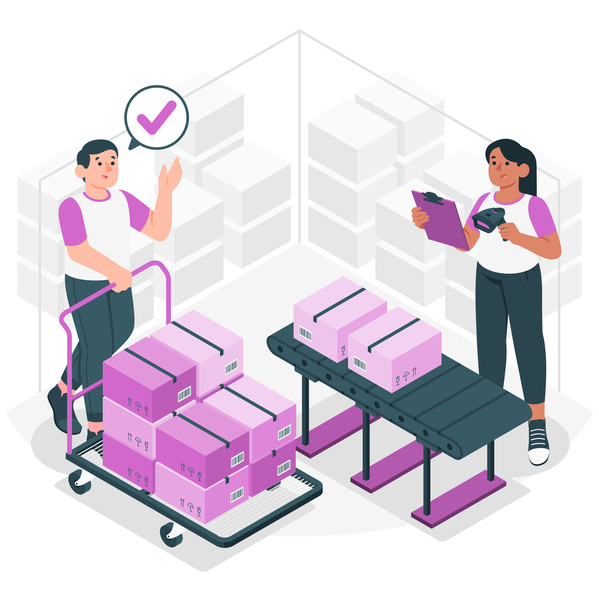
Why Stocktaking Matters: 6 Benefits of Regular Warehouse Stocktaking
When done right, stocktaking offers far more than just a snapshot of inventory levels. Here are six impactful advantages that come from making it a regular part of your operations:
1. Reduces Data Discrepancies
One of the primary benefits of stocktaking is identifying mismatches between actual inventory and recorded figures. These discrepancies may arise from human error, theft, damaged goods, or incorrect entries.
Regular stock audits help reconcile these differences early, preventing costly mistakes such as running out of stock or over-ordering supplies. Accurate data leads to smarter purchasing decisions, which in turn improves cash flow and inventory turnover.
2. Detects and Corrects Inventory Shrinkage
Shrinkage, loss of inventory due to theft, damage, or misplacement is a major concern for many businesses. Through systematic stocktaking, companies can spot unexplained shortages and take corrective action.
Whether it's improving security measures, retraining staff, or tightening internal controls, identifying shrinkage early helps minimize losses and protect profits.
3. Reduces Unnecessary Expenses
Overstocking ties up capital and increases holding costs, while understocking disrupts sales and disappoints customers. By keeping a close eye on inventory levels through routine stocktaking, businesses can optimize stock quantities and avoid both extremes.
This strategic approach leads to leaner operations, lower storage expenses, and better resource allocation across departments.
4. Maximizes Warehouse Space Efficiency
Knowing exactly what’s in stock and where it’s located allows businesses to use their warehouse stocktaking results to improve layout and storage efficiency.
Unused or obsolete items can be removed or relocated, freeing up valuable space for fast-moving products. Efficient space utilization also streamlines picking and packing processes, boosting productivity.
5. Streamlines Inventory Management and Internal Controls
Consistent stocktaking fosters stronger internal controls by promoting accountability and transparency in inventory handling. It also supports compliance with financial reporting standards and tax requirements.
Moreover, when integrated with modern inventory management systems, stocktaking becomes a powerful tool for streamlining procurement, order fulfillment, and supplier relationships.
6. Enhances Customer Satisfaction
Ultimately, well-managed inventory translates into improved customer experience. With accurate stock records, businesses can fulfill orders faster, reduce backorders, and offer reliable delivery timelines.
Happy customers are more likely to return and recommend your brand, creating a ripple effect that enhances loyalty and drives growth.

Tips for Effective Stocktaking
To make the most of your stocktaking efforts, consider the following best practices:
1. Set Clear Goals and Realistic Schedules
Avoid last-minute rushes by planning your stocktake well in advance. Choose periods of low activity to minimize disruptions. Setting clear objectives, like focusing on high-value or fast-moving items, can also enhance the effectiveness of your audit.
2. Communicate with Your Team
Ensure everyone involved understands the purpose, timeline, and procedures. Provide training sessions if necessary, so employees feel confident in their roles during the count.
Open communication channels help prevent misunderstandings and ensure smoother execution, especially when multiple departments are involved.
3. Leverage Technology for Efficiency
Manual counting is time-consuming and prone to errors. Invest in tools like barcode scanners, RFID tags, or cloud-based warehouse management systems (WMS) to automate tracking and streamline the entire process.
These technologies not only speed up stocktaking but also provide real-time updates, reducing the risk of inaccuracies and enabling data-driven decision-making.
Conclusion
Stocktaking isn’t just a warehouse task, but it’s a vital part of running a profitable and scalable business. When carried out consistently and strategically, stocktaking helps organizations maintain accurate inventory data, reduce costs, and boost operational efficiency.
By adopting a structured approach and leveraging the right tools, companies can transform stocktaking from a tedious obligation into a valuable asset. When combined with modern solutions like IoT-enabled smart warehouses, the potential for optimization becomes even greater.
One such technological leap is offered by Telkomsel Enterprise through its IoT Smart Manufacturing–Smart Warehouse solution. This integrated platform digitizes warehouse operations, automates stock monitoring, and provides real-time visibility into inventory and movement.
With this system, businesses can significantly improve inventory accuracy, reduce errors, and accelerate order processing, all while minimizing reliance on manual tasks.
Ready to take control of your warehouse operations with smart stocktaking? Contact us today to learn more about implementing IoT Smart Warehouse solutions tailored to your business.