




Authentication is the first line of defense against cyber threats, and its effectiveness depends not only on the technology but also on the people using it. Even the most advanced security system can become vulnerable when users rely on weak passwords such as "12345," birthdays, or other easy-to-guess combinations.
On the other hand, using strong, unique passwords and staying alert to social engineering tactics can significantly reduce the risk of unauthorized access.
What Is Authentication?
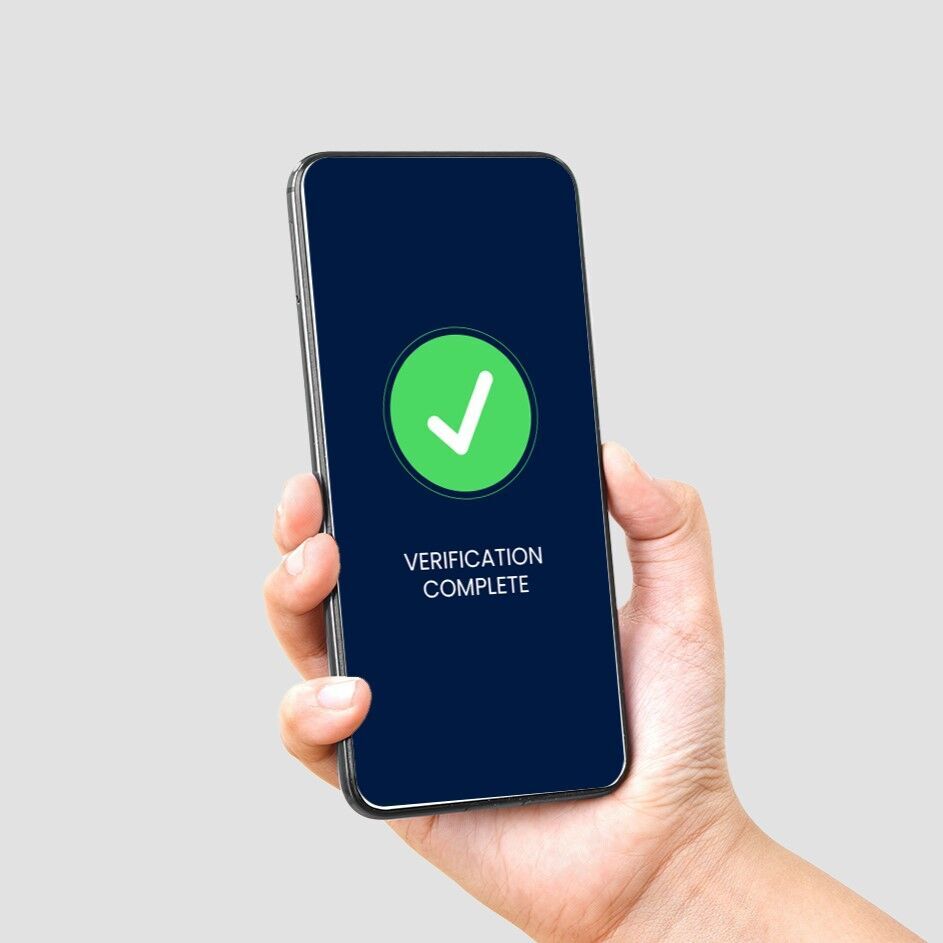
What is authentication? Authentication is the process of verifying the identity of a person, device, or system before granting access to an application, digital service, network, or confidential data.
Every time you sign in to your email account using your username and password, the system checks whether the credentials you entered match the information stored in its database. If everything matches, access is granted. If the credentials are incorrect, access is denied.
This verification process ensures that only legitimate users can access protected resources.
Why Authentication Is Essential for Digital Services?
Many people see additional login verification as an inconvenience. In reality, spending a few extra seconds completing an authentication process can prevent serious cyber incidents. Here are several reasons why authentication plays such a critical role in digital security.
1. Prevents Unauthorized Access
Not everyone should have access to confidential information. Authentication ensures that only verified users can open accounts, view private records, or perform sensitive transactions. If someone attempts to access an account without proper credentials, the system blocks the request immediately.
2. Adds Multiple Layers of Security
Modern authentication methods such as Two-Factor Authentication (2FA) and Multi-Factor Authentication (MFA) provide security beyond passwords. Even if an attacker successfully steals a password through phishing or data breaches, they still need another verification factor to complete the login process.
3. Builds User Trust
Imagine transacting on a platform with lax security. Would you feel safe? Conversely, strong authentication fosters confidence, assuring users that their personal data is in safe hands.
How Authentication Works in Digital Systems
While it may seem complicated, this authentication process actually follows a fairly simple process. Here are the steps:
1. Pengguna Memasukkan Identitas
The process begins when a user provides an identifier, such as a username, email, or phone number.
This information tells the system which account the user wants to access.
2. The System Requests Credentials
After identifying the account, the system asks the user to prove ownership. Depending on the authentication method, credentials may include password, PIN, One-Time Password (OTP), fingerprint, or other methods.
3. Verifikasi Data
The authentication server compares the submitted credentials with the stored records. Modern systems rarely store passwords in plain text.
Instead, passwords are encrypted or stored as cryptographic hashes, making them much harder for attackers to steal or reverse-engineer even if the database is compromised.
4. Access Is Granted or Denied
If the credentials match the stored records, authentication succeeds and the user gains access. If verification fails, access is denied.
Many organizations also implement account protection measures such as temporary account lockouts after repeated failed login attempts to reduce brute-force attacks.
5. Activity Logging
Successful authentication usually triggers activity logging. The system may record login time, locations, and changes made within the account.
Types of Authentication Commonly Used Today
As cyber threats become increasingly sophisticated, authentication technologies continue to evolve. Below are the types of authentications most widely used across digital services today.
1. Single-Factor Authentication (SFA)
Single-Factor Authentication relies on just one method of identity verification, typically a username and password. Its primary advantages are simplicity and speed.
However, because there is only one security layer, compromised credentials can immediately expose an account to attackers.
2. Two-Factor Authentication (2FA)
2FA combines two layers of verification, such as a password and an OTP code sent to your phone. This method is much more secure than SFA because it requires two forms of identity verification.
3. Multi-Factor Authentication (MFA)
Multi-Factor Authentication expands security even further by requiring more than two independent verification methods.
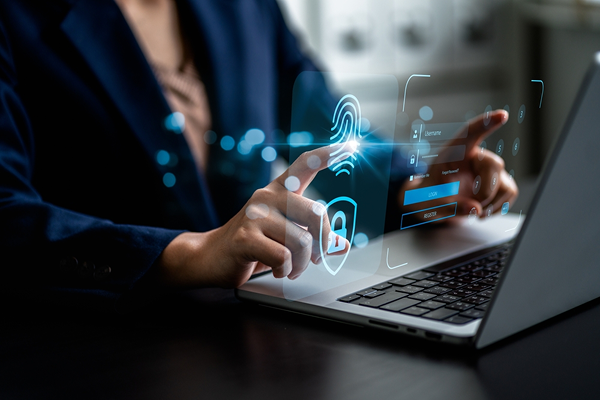
4. Biometric Authentication
Biometric authentication verifies identity using unique biological characteristics, including:
-
Fingerprints
-
Facial recognition
-
Retina or iris scanning
-
Voice recognition
Since biometric traits are unique to every individual, this authentication method offers a high level of security while also providing a faster and more convenient user experience.
5. One-Time Password (OTP)
An OTP is a temporary code generated for a single login session or transaction. Because each code expires within a short period, intercepted OTPs become useless after expiration, reducing the risk of credential reuse and unauthorized access.
The Impact of Poor Authentication Systems on Businesses
Many companies still view authentication as an optional feature rather than a core security requirement. In reality, this decision can have serious consequences. Below are some of the potential impacts:
1. Increased Risk of Data Breaches
Weak authentication systems make it easier for cybercriminals to compromise user accounts and gain unauthorized access to sensitive business data.
2. Financial Losses
Data breaches often result in significant financial losses, whether through stolen funds, legal liabilities, or the costs associated with incident response and system recovery.
3. Loss of Customer Trust
Once customers learn that their personal information has been compromised, the trust a business has built over the years can quickly erode.
4. Operational Disruptions
Cyberattacks that exploit authentication vulnerabilities can interrupt daily business operations and, in some cases, force services to shut down temporarily.
5. Regulatory Compliance Risks
Many data protection regulations require organizations to implement adequate security controls, including strong authentication measures. Failing to meet these standards can result in regulatory penalties, fines, and reputational damage.
Enhance Login Security Without Creating Barriers for Users
Many businesses face the challenge of improving account security without making the login process complicated for users. While stronger verification helps protect accounts, overly complex steps can create friction and drive users away.
With silent verification, businesses can achieve both security and convenience. Authentication happens quickly and seamlessly while maintaining strong protection against cyber threats.
Telkomsel Enterprise addresses this need with Telco Verify, a digital authentication solution that uses automatic verification through the mobile network. Users no longer need to manually enter passwords or OTPs, while businesses can reduce risks such as phishing attacks and OTP theft.
This solution is especially beneficial for industries like banking and fintech, where secure and seamless customer access is essential. With Telco Verify, businesses can provide a faster, safer, and more convenient login experience.
FAQ
Why are traditional passwords no longer considered sufficient for authentication?
Traditional passwords rely on a single security layer through Single-Factor Authentication (SFA). If a password is guessed, stolen through phishing, leaked in a data breach, or reused across multiple services, attackers may gain immediate access to an account.
How does biometric authentication recognize a user's unique identity?
Biometric authentication analyzes unique physical characteristics such as fingerprints, facial features, iris patterns, retinal scans, or voiceprints. During authentication, the system compares the newly captured biometric data with encrypted biometric templates stored during enrollment.
Can Multi-Factor Authentication (MFA) completely prevent hacking?
No. Although MFA significantly strengthens account security, no authentication system can guarantee complete protection against cyberattacks. MFA makes unauthorized access much more difficult because attackers must bypass multiple independent verification layers. However, risks still remain if users fall victim to phishing attacks, share OTP codes, approve fraudulent login requests, or use devices infected with malware.