


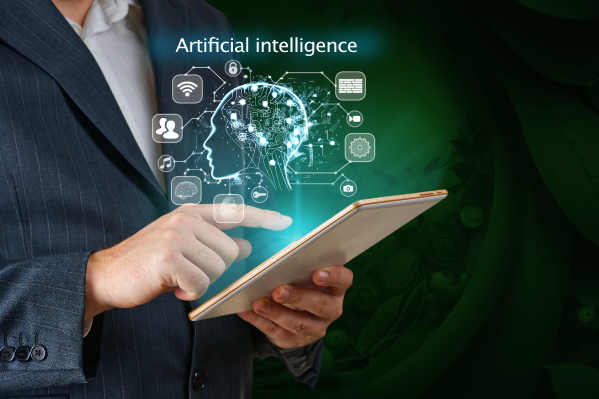


Without most of us even realizing, AI technology has already become a quiet companion in our daily routines. Whether it’s talking to a voicebot assistant, getting the perfect music playlist recommendation, or using a short audio clip to find a song title, artificial intelligence is already working in the background, making things faster, easier, and a whole lot smarter.
This silent transformation isn’t just happening globally, it’s reaching every corner of society, including Indonesia. From small digital conveniences to enterprise-scale automation, we’re witnessing a massive shift in how technology integrates into our lives.
Recent reports reveal that the global AI market reached a value of USD 428 billion in 2022. It’s projected to climb to USD 515.31 billion in 2023, and reach a staggering USD 2,025.12 billion by 2030, growing at a compound annual rate of 21.6%. These numbers clearly reflect the momentum behind AI adoption.
Why is it growing so fast? Because AI can do just about anything, from handling basic customer inquiries to predicting business trends and streamlining operations. It’s no longer just a tool, but it’s evolving into something more, an intelligent system that understands our needs and responds proactively.
So, what are some actual, real-world AI technology examples that are transforming the way we live and work? Let’s dig deeper into what AI technology really means and then explore 7+ practical AI applications in business that are already changing the game.

What Is AI Technology?
Have you ever wondered how your favorite music app seems to know exactly what song fits your mood? Or how virtual assistants like Siri or Google Assistant manage to respond to questions almost instantly?
The answer lies in the power of Artificial Intelligence, often referred to simply as AI technology.
But AI isn’t just some magical program. It’s the result of a sophisticated combination of computer science, data analytics, and highly advanced algorithms that give machines the ability to mimic certain human behaviors, especially when it comes to learning and decision-making.
Let’s clarify that a bit.
When we say a machine can 'think', we’re not talking about emotions or opinions. In AI, 'thinking' means being able to make choices or take action based on data. When we talk about 'learning,' it means AI can use past interactions to improve its future responses or decisions.
For example, when you ask your virtual assistant about the weather, the AI is analyzing your question, pulling real-time data from weather databases, and then choosing the most relevant information to give you the answer, all within seconds.
This kind of machine intelligence signals a major shift. We’re entering an era where AI doesn’t just execute commands, it acts like a partner. It can recommend solutions, predict preferences, and even entertain.
The possibilities? Limitless.
And as AI continues to evolve, we’ll see even more amazing innovations that feel straight out of science fiction.
7+ AI Technology Examples That Are Shaping Modern Businesses
Here are 7+ real-world AI technology examples that show just how powerful and useful this innovation can be, especially in the world of business.

1. Voicebot
Let’s start with one of the most familiar faces of AI: the voicebot.
A voicebot is a virtual assistant powered by AI that communicates with users through voice interaction. Unlike traditional bots, voicebots understand natural speech, interpret intent, and respond in real time, just like a human agent.
Popular examples include Apple’s Siri, Google Assistant, and Amazon’s Alexa. These voicebots can play music, set reminders, control smart home devices, and even order groceries, all through voice commands.
The benefits of voicebots for users include:
-
Ease of interaction: Without the need to type or touch the screen, users can directly interact with the device by simply saying a trigger phrase or word.
-
Fast response: Voicebots can provide information or execute commands in seconds.
-
Personalization: Based on previous interactions, voicebots can provide recommendations or information personalized to the user's needs.
2. Robocall
A robocall is an automated phone call that uses a computer system to deliver pre-recorded voice messages to users. In the business world, robocalls are often used for things like sending reminders, promoting offers, or running quick customer surveys.
But thanks to AI integration, modern robocalls are a lot smarter than they used to be. Today’s AI-powered robocall systems can adjust their messages based on how the recipient responds, recognize simple voice commands, and even adapt their approach depending on the situation.
Businesses use AI-driven robocalls for a variety of purposes like reminding customers about upcoming payments, promoting special deals, or confirming appointments without tying up human resources.
In Indonesia, Telkomsel Enterprise offers a robust solution called CPaaS Robocall, which allows businesses to automate phone outreach without needing a dedicated call center or customer service team. It’s a cost-effective, scalable option for companies looking to improve efficiency and customer engagement using AI technology.
3. Content Recommendations
Music and video content have become a daily staple in people’s lives, whether at home, at work, or even in public spaces like cafés and restaurants. But with so much content out there, how do we zero in on the right songs, videos, or films that actually match our customers' preferences?
That’s exactly where AI technology steps in.
Most popular streaming platforms now rely on AI-powered recommendation engines to deliver personalized content suggestions. By analyzing a user’s listening or viewing history, these AI algorithms can predict what kind of music or videos they’re most likely to enjoy, often with surprising accuracy.
And for businesses in hospitality or customer-focused industries, this technology offers real value.
Here are some key benefits of using AI recommendation systems in your business:
-
Tailored experiences: Whether you're running a cozy cafe, a trendy bar, or a boutique hotel, you can curate playlists that match the mood and preferences of your specific clientele. It’s all about creating the right vibe.
-
Discovering fresh content: AI doesn’t just play the same old hits. It helps you find new songs or videos that might not be on your radar, giving your space a fresh and modern feel that customers remember.
-
Better customer engagement: When guests walk into a space and hear music that fits their mood or style, they’re more likely to stay longer, spend more, and come back again. AI makes those moments possible through smart, data-driven insights.
This is a prime AI technology example of how machine learning goes beyond automation, it enhances emotional connection and atmosphere, making customer experiences feel more personalized and engaging.
4. Voice Recognition
Voice recognition technology is advancing at an impressive pace. From generating instant transcriptions to enabling hands-free control of smart devices, AI is making machines better than ever at understanding and processing human speech.
Behind this magic is a network of complex AI algorithms designed to process sound waves, identify speech patterns, and convert them into text or executable commands. It’s not just about hearing, it’s about interpreting and responding in real time.
Some real-world AI technology examples of voice recognition include automatic meeting transcriptions, smart home voice controls, real-time voice translation apps.
As the technology continues to improve, expect voice recognition to become even more accurate, intuitive, and embedded in everyday tools, from your smartphone to your car dashboard.
5. Chatbot
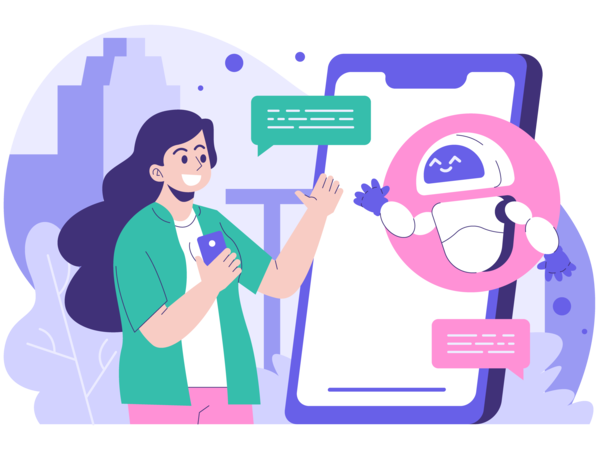
A chatbot is one of the most useful applications of AI technology in business. It’s a program designed to simulate conversation with users, usually via text, but often integrated with voice functionality as well.
Today’s AI-powered chatbots do more than just answer basic questions. They can:
-
Handling common questions: Chatbots can quickly provide information about products, services, or company policies.
-
Ordering and transactions: Some advanced chatbots can guide users through the transaction process.
-
24/7 support: Chatbots can serve customers anytime, anywhere.
Where do you find them? Pretty much everywhere, from e-commerce websites, travel apps, banking services, even healthcare consultations.
Chatbots don’t sleep, and they don’t make typos. They just get the job done, every time.
6. Autonomous Navigation
When it comes to innovation in the automotive world, one of the most groundbreaking developments we’re seeing is the rise of autonomous vehicles, cars that can drive themselves with minimal or no human input. And at the heart of this transformation? You guessed it: AI technology.
Advanced automated navigation systems, like Tesla’s Autopilot, rely on AI to interpret data from cameras, sensors, and radar placed around the vehicle. This data is then processed in real time to help the vehicle 'understand' its surroundings and make smart driving decisions on the spot.
Here are a few major benefits of AI-powered navigation systems:
-
Increased safety: By minimizing human error, still the leading cause of most traffic accidents, autonomous systems can significantly reduce collision risks.
-
Driving comfort: In certain situations, drivers can relax and let the vehicle handle things like lane changes, speed control, or even traffic jams, especially useful on long commutes.
-
Smoother traffic flow: With more AI-driven vehicles on the road, traffic could become more consistent and less prone to sudden stops or slowdowns, helping reduce congestion.
7. Real-Time Translation
Cross-cultural communication is increasingly inevitable. However, language barriers often pose a challenge. AI technology has provided a solution in the form of automatic language translators.
With its ability to translate text and voice in real-time, AI can bridge the gap between people who speak different languages.
Examples of automatic translation applications include Google Translate and Google Lens, which can translate text, images, and even voice conversations in real-time.
8. Object Detection & Image Analysis
Among the most fascinating AI technology examples is its growing ability to 'see' and interpret the visual world, through object detection and image analysis.
Powered by advanced algorithms, AI can now recognize, identify, and categorize objects within images or video footage with a level of accuracy that continues to improve. This opens the door for impactful use cases across a wide range of industries.
Here’s how AI-powered image recognition is making a difference:
-
Security: Smart surveillance systems can detect unusual activity, flag potential threats, and even recognize individuals through facial recognition. It's a leap forward in proactive, real-time monitoring.
-
Healthcare: AI assists doctors by analyzing medical images such as X-rays or MRIs to detect diseases or anomalies faster and sometimes even more accurately than traditional methods.
-
E-commerce: Shoppers can now search for products using just a photo. With AI, platforms can match the visual elements of an image to real inventory,making online shopping more intuitive and visual.

Conclusion
From voicebot assistants to intelligent robocall systems, AI is no longer a futuristic concept, but it’s a present-day powerhouse. The examples above show just how deeply AI technology has integrated into business operations, enhancing efficiency, personalization, and customer experience.
For businesses, adopting AI isn't just about staying competitive, it's about creating smarter, faster, and more meaningful interactions with customers.
Telkomsel Enterprise’s CPaaS Robocall is one such solution that brings the future of communication to your business. It offers higher engagement rates compared to SMS, seamless integration with CRM tools, and dynamic scalability to meet your needs.
The future of business isn’t just digital, it’s intelligent. And with AI, every interaction becomes an opportunity to connect, engage, and grow.
So, whether you're a startup or an enterprise, now is the time to embrace what is AI technology and leverage AI technology examples that fit your goals. Because in today’s fast-moving world, staying ahead means letting AI lead the way.