




Rapid market shifts, constant disruptions, and evolving consumer demands have made it essential for businesses to define agile method strategies and embrace continuous innovation. This approach fosters adaptability, continuous innovation, and customer-focused development.
The Report by the Chaos Standish Group offers compelling insight into the effectiveness of agile. Projects that adopt the agile method are three times more likely to succeed compared to those using the more rigid, linear Waterfall model.
At its heart, the agile method enables planning and execution to happen simultaneously, allowing teams to pivot quickly in response to new insights or evolving demands. In today’s fast-moving business environment, maintaining relevance and competitiveness requires a framework that supports agility, and that’s exactly what agile offers.
When unexpected changes arise, businesses can remain nimble and responsive. This article dives deep into the agile method, exploring its principles, types, and real-world applications to help your organization thrive.
Define Agile Method: What It Really Means
The agile method is a dynamic set of principles and practices designed to support flexible, iterative product development. Unlike traditional project management approaches, which often follow a fixed, sequential path, the agile method emphasizes adaptability, team collaboration, and continuous improvement.
Unlike traditional development models that follow a rigid, step-by-step sequence, agile thrives in dynamic environments. It treats change not as a disruption but as an opportunity for refinement.
Today’s customers expect more than innovation, but they want solutions that evolve alongside their changing needs. Agile meets that demand by shortening development cycles and integrating direct user feedback at every stage.
This allows businesses to fine-tune their products to match what customers want, not months from now, but right now. That’s something traditional models like Waterfall, with their linear stages and inflexible timelines, often fail to deliver.
With agile, companies can harness emerging technologies, tap into real-time data, and pivot strategies with confidence. The result? An environment that encourages growth, rewards innovation, and keeps your business one step ahead.
Principles of the Agile Method
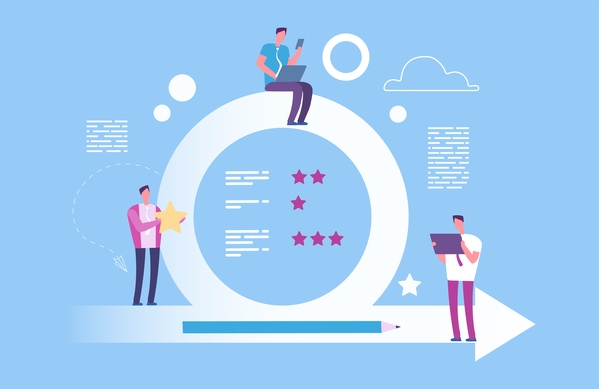
The agile method is grounded in key principles that promote speed, flexibility, and team alignment. Let’s explore the foundational elements that make agile work:
1. Iterative Development
One of the defining traits of agile methods is iterative development. Projects are broken down into manageable units called sprints, each focused on delivering specific features or improvements.
These short cycles allow teams to build, test, and refine aspects of the product incrementally. Early testing helps identify issues sooner, reducing rework and accelerating time-to-market.
2. Continuous Feedback Loop
Feedback Loop is at the center of the agile method. By maintaining an ongoing dialogue with users and stakeholders, teams can incorporate fresh insights directly into the development process.
This ensures that the final product remains relevant and competitive. Real-time adjustments also mean that customer expectations are consistently met or even exceeded.
3. Cross-Functional Collaboration
Agile promotes cross-functional teamwork, eliminating silos between departments. Designers, developers, marketers, and analysts work together toward a common goal, providing diverse perspectives and reducing inefficiencies.
This collaboration leads to more holistic product solutions that address user needs from multiple perspectives.
4. Transparency and Communication
Clear, consistent communication is crucial in agile environments. Everyone involved—from team members to stakeholders, should understand the project’s goals, progress, and challenges.
Transparency builds trust, aligns expectations, and ensures smooth execution across all phases of development.
5. Adaptability to Change
Agile encourages teams to welcome change, whether it involves adjusting priorities, timelines, or even entire product features.
This flexibility is a competitive advantage in volatile markets, where businesses must pivot quickly in response to feedback or external forces.
Benefits of Using the Agile Method
As the demand for speed and adaptability grows, agile offers a wide range of benefits that help businesses thrive:
1. Faster Time to Market
Agile shortens the timeline between ideation and product launch. By delivering in smaller increments, teams can quickly release functional versions of the product, gather feedback, and make improvements, all without waiting for a complete build.
This rapid cycle not only reduces time-to-market but also creates a major edge in industries where timing is everything.
2. Improved Customer Satisfaction
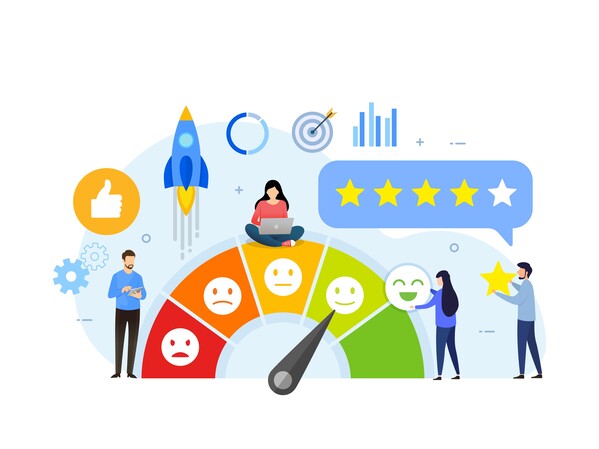
Customer satisfaction is at the core of agile. By continuously integrating feedback and adjusting features accordingly, agile teams deliver products that align more closely with what users want.
Happy customers become loyal customers, and loyal customers become brand advocates.
3. Fostering Innovation
Agile creates space for experimentation without fear of failure. The short sprint cycles allow teams to test bold ideas, discard what doesn’t work, and quickly refine what it does.
This encourages innovation by rewarding learning and agility, rather than punishing trial and error.
4. Stronger Team Engagement
Every team member plays an active role in agile. From sprint planning to daily stand-ups, everyone contributes their expertise and insights.
This sense of ownership enhances motivation, accountability, and job satisfaction—leading to higher productivity and better outcomes.
5. Reduced Risk
One of agile’s most practical benefits is risk mitigation. With continuous testing, early user feedback, and smaller development cycles, issues are identified and resolved early.
This reduces wasted time and resources while keeping the project aligned with business goals.
By avoiding the trap of building unnecessary or low-value features, agile teams ensure that development efforts are laser-focused on customer value.
Implementing Agile Across Industries
Although the agile method began in software development, its principles have proven effective across many sectors. From finance to healthcare, education to manufacturing, organizations are adopting agile to drive innovation and operational excellence.
In manufacturing, for example, agile helps streamline production lines and respond to demand fluctuations. In financial services, it enables faster launch cycles for new products and services.
In healthcare, agile supports the creation of patient-centered care solutions that adapt to changing medical needs. Meanwhile, in education, it allows institutions to design curricula that evolve with industry demands.
Emerging technologies like Artificial Intelligence (AI) and the Internet of Things (IoT) are further enhancing the capabilities of the agile method. AI can automate decision-making and predict trends, while IoT provides real-time data for smarter, faster iterations.
As these tools mature, the agile method will continue to evolve, offering even greater precision, scalability, and responsiveness across industries.
Conclusion
The agile method is more than just a project management technique, but it’s a strategic mindset that drives growth, innovation, and customer satisfaction. By embracing change, encouraging collaboration, and focusing on continuous improvement, businesses can navigate uncertainty with confidence.
Successful implementation of the agile method requires a cultural shift toward openness, transparency, and cross-functional teamwork. When done right, it transforms organizations into agile, future-ready entities capable of thriving in today’s competitive landscape.
To support your agile journey, communication plays a key role. That’s where Telkomsel Enterprise’s CloudX Communication comes in, a cloud-based PABX system that simplifies business communication.
With mobile-friendly access, a user-friendly dashboard, and seamless integration, CloudX ensures efficient internal communication across teams and branches. It reduces overhead costs while boosting productivity, perfect for businesses embracing agile practices.
Don’t let communication bottlenecks slow you down. Consult with us today and experience the power of integrated, agile-ready communication.