


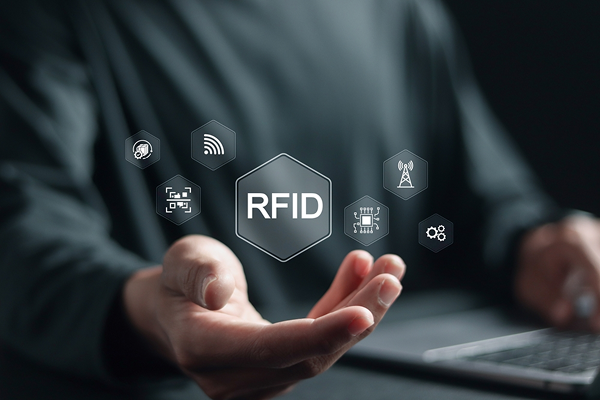


RFID is a technology that many companies are adopting to automate the identification and tracking of goods more efficiently. Manual processes such as recording items, checking inventory one by one, and searching for asset locations can take a significant amount of time while also increasing the risk of human error.
So, what is RFID, how does it work, and how can this technology support modern warehouse management?
What Is RFID (Radio Frequency Identification)?
RFID, or Radio Frequency Identification, is a technology that uses radio waves to identify and track objects equipped with an RFID tag or label. Unlike traditional barcodes, which generally require a scanner to be aimed directly at the printed code, RFID allows a reader to detect tags within a certain range without requiring direct line-of-sight scanning for every individual label.
This difference gives RFID significant potential for warehouse management and other business operations. Depending on the type of RFID system, frequency, operating environment, and device configuration, an RFID reader can also detect multiple tags within its reading range at the same time.
RFID is not limited to products or inventory items. The technology can also be applied to pallets, containers, production equipment, internal vehicles, documents, and various other company assets.
How Does RFID Work?
To understand how RFID works, imagine a warehouse containing thousands of products, each with its own identity. Each item is equipped with an RFID tag containing specific identification information.
When the item passes through an area equipped with an RFID reader, the reader sends radio waves to communicate with the tag. The RFID tag then responds by sending the information stored on it. The reader captures that information and forwards the data to a data management system for further processing.
Main Components of an RFID System
An RFID system generally consists of several interconnected components:
-
RFID tag: An RFID tag contains a chip and antenna and is attached or mounted to the object being identified. The chip stores identification information, while the antenna receives and transmits radio signals.
-
RFID reader: The reader sends signals and receives responses from RFID tags. Readers can be installed in different locations, such as warehouse entrances, receiving areas, entry and exit lanes, or specific points within a facility.
-
Antenna: The antenna helps transmit and receive radio waves within the RFID system. It needs to be positioned strategically so that goods passing through a particular area can be detected consistently.
-
RFID middleware: Middleware helps filter, manage, and forward data collected by RFID readers to other systems, such as a Warehouse Management System (WMS), ERP platform, or inventory application.
Benefits of RFID for Business and Industry
Here are some of the key benefits of RFID:
1. Track Multiple Items at the Same Time
One of the major advantages of RFID is its ability to identify multiple tagged items within a reader's range.
When a pallet containing numerous products passes through a reading area, the system can detect tags within its range without requiring workers to scan every product individually. This can save considerable time, especially in warehouses that handle high volumes of goods every day.
2. Reduce the Risk of Human Error
RFID automation can reduce the need for manual input during certain identification and tracking processes. By allowing the system to collect identification data automatically, businesses can reduce their dependence on repetitive manual recording and improve data accuracy.
3. Improve Warehouse Security
When goods enter or leave through a particular RFID reading area, the system can record that activity. This information can help businesses identify movements that do not follow established procedures or support investigations when inventory is missing.
4. Make Better Use of Storage Space
Accurate inventory information gives your company a clearer picture of which goods are available and where they are located. This information can help warehouse managers organize product placement more systematically. It can also make it easier to identify goods that have remained in storage for too long and evaluate whether available warehouse space is being used effectively.
5. Speed Up Operational Processes
RFID can help accelerate various warehouse processes, including receiving, put-away, picking, packing, and shipping, because product identification can be automated. The faster goods can be received, processed, and shipped, the more responsive a company can be when fulfilling customer demand.
6. Increase Operational Visibility
RFID allows businesses to collect more structured information about the movement of goods and assets. This data can help management gain a clearer understanding of inventory conditions and warehouse activities.
7. Provide Customers with More Transparent Information
When inventory status is updated automatically, customer service systems can provide faster information about product availability or order processing status. This can improve transparency throughout the customer journey.
The Importance of Integrating RFID with Monitoring and Data Analytics
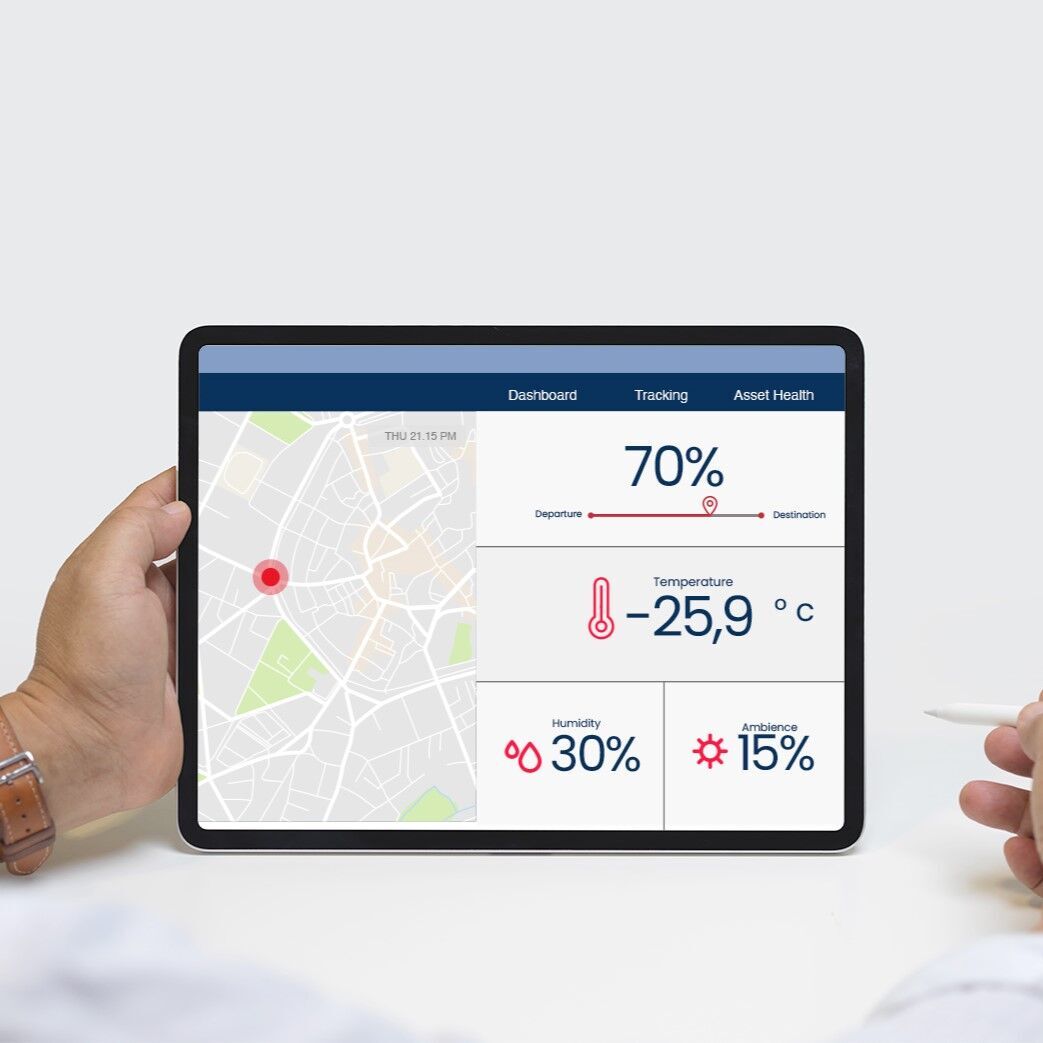
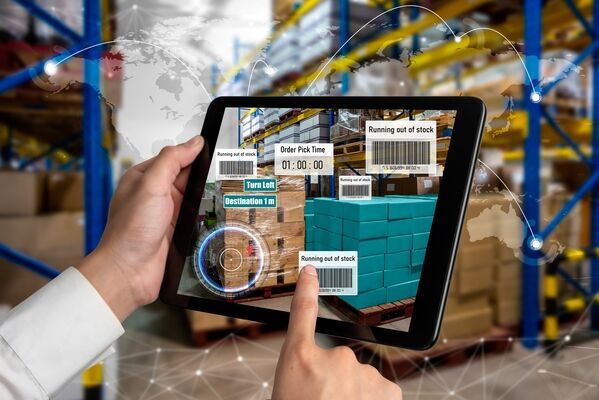
RFID implementation can deliver even greater benefits when integrated with digital monitoring and data analytics systems such as a Warehouse Management System (WMS). Data collected by RFID readers can be sent to the WMS to help update inventory status, record goods movement at specific reading points, and maintain activity histories based on the system configuration.
To support this approach, Telkomsel Enterprise offers the Smart Manufacturing Smart Warehouse solution, which helps businesses maximize the benefits of RFID through the integration of IoT technology, real-time monitoring, and centralized operational data management.
With interconnected systems, your company can automatically track assets and inventory, improve stock visibility, reduce the risk of human error, and optimize production and warehouse processes for greater efficiency.
Now is the time to connect physical warehouse processes with digital data, allowing every activity to be monitored and managed more effectively. Implement the Smart Manufacturing Smart Warehouse solution from Telkomsel Enterprise to support your company's operational needs today.
FAQ:
What is RFID?
RFID is an identification technology that uses radio waves to automatically recognize, and track objects equipped with RFID tags.
How does RFID work?
An RFID reader emits radio waves to detect an RFID tag. The tag then sends its identification information back to the reader, which forwards the data to a system for further processing and management.
What are some examples of RFID applications?
RFID examples include inventory and asset tracking in warehouses, goods management across the supply chain, access control, vehicle tracking, and document management.
What is an RFID warehouse?
An RFID warehouse refers to the use of RFID technology in warehouse operations to automatically identify, track, and monitor the movement of goods or assets.
What is an RFID warehouse management system?
An RFID Warehouse Management System is a warehouse management system that integrates RFID technology with a WMS to automate the identification, tracking, and management of inventory.