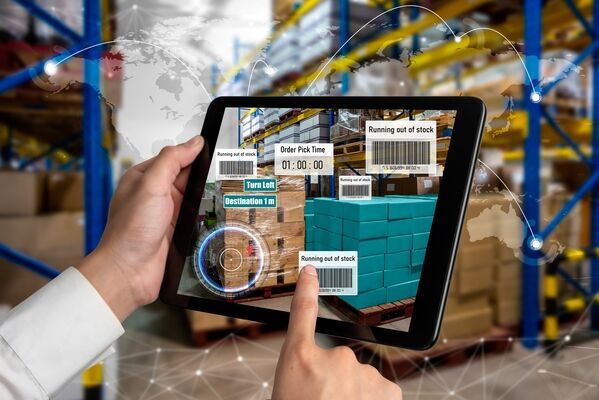






The evolution of the manufacturing industry in the digital age is pushing companies to operate more efficiently, transparently, and adaptively in response to shifting market demands. With global competition intensifying, higher quality expectations, and faster production timelines, adopting integrated digital systems is now an essential strategy for staying competitive.
One such critical solution driving this transformation is the Manufacturing Execution System (MES). MES bridges the gap between production planning at the management level and execution on the factory floor, allowing for real-time control of manufacturing processes based on accurate data.
Want to know how MES can enhance efficiency, productivity, and product quality across industries? Read the complete explanation below.
What is Manufacturing Execution System (MES)?
The Manufacturing Execution System (MES) is an integrated information system designed to monitor, control, and optimize production processes on the factory floor in real-time. MES acts as a bridge between upper-level planning systems like Enterprise Resource Planning (ERP) and the operational systems at the machine and operator level.
MES manages various aspects of production, including scheduling work, monitoring machine performance, quality control, and tracking raw materials and finished goods. By implementing MES, your company gains comprehensive visibility over the entire production process, ensuring each stage follows the plan. MES also plays a crucial role in quickly identifying and addressing problems as they arise.
Why is MES Important for the Manufacturing Industry?
The implementation of Manufacturing Execution System has become increasingly essential as manufacturing processes grow more complex and the need for a competitive edge intensifies. Here are several key reasons why MES is a strategic tool for modern manufacturing:
-
Data-Driven Decision Making
MES provides accurate, real-time production data, empowering management to make decisions based on actual conditions on the floor. Data-driven decisions allow companies to respond to changes quickly while minimizing the risk of strategic missteps.
-
Operational Transparency
With MES, every aspect of production, from machine status to workforce performance, can be monitored in detail. This transparency helps identify production bottlenecks and improves coordination between departments.
-
Enhanced Production Efficiency
MES optimizes resource use, minimizes machine downtime, and reduces waste. As a result, more efficient production processes directly lead to increased output and reduced costs.
-
Improved Product Quality
Integrated quality control features in MES allow for the early detection of product defects, ensuring consistent product quality in line with established standards.
Key Functions of MES
MES offers a wide range of functions that support smooth and effective manufacturing operations. Here are some of its core capabilities:
-
Resource Scheduling
MES helps in scheduling machines, labor, and materials efficiently. Accurate scheduling helps avoid resource conflicts and boosts overall productivity.
-
Data Collection and Analysis
MES collects data from multiple sources on the production floor, such as machines, sensors, and operators. This data is then analyzed to assess production performance and identify areas for improvement.
-
Order Execution and Delivery
MES ensures that each order is produced according to the specified quantity, quality, and delivery timeline. Essentially, it coordinates the entire workflow from start to finish.
-
Real-Time Production Control
Through real-time monitoring, MES allows companies to control the production process live. If any deviations occur, corrective actions can be immediately implemented.
-
Product Quality Control and Material Tracking
MES records quality data and enables traceability from raw materials to be finished products. This functionality is crucial for ensuring product quality and for tracing issues back to their source when problems arise.
-
Integration with Other Systems
MES is designed to integrate seamlessly with other systems, such as ERP, warehouse management, and IoT technologies. This integration creates a fully connected, efficient digital ecosystem.
How Does MES Work?
To fully appreciate its benefits, it’s important to understand how MES supports production processes. Here’s how it works:
Production Planning and Scheduling
MES receives production plans from upper-level planning systems and converts them into detailed work schedules on the factory floor. Scheduling considers machine capacity, material availability, and labor resources.
Production Execution
During production, MES coordinates the execution of tasks according to the schedule. It provides instructions to operators and machines, ensuring each step follows standard operating procedures.
Monitoring and Data Collection
While production is ongoing, MES continuously monitors machine performance, cycle times, and other parameters. Data is collected both automatically and manually, providing a real-time view of production conditions.
Analysis and Quality Control
MES analyzes production data to evaluate product quality. If any deviations from the set standards are detected, the system can send alerts or halt production to prevent further losses.
Reporting and Documentation
Once production is completed, MES generates detailed reports covering production performance, quality, and resource usage. This documentation is essential for audits, future planning, and performance evaluations.
Benefits of MES Implementation for Businesses
Adopting MES can bring significant advantages to your company, including:
-
Cost Savings
By reducing waste, machine downtime, and production errors, MES helps lower operational costs substantially.
-
Operational Efficiency
MES streamlines workflows and optimizes resource utilization, making production processes more efficient and controlled.
-
More Accurate Inventory Management
With MES integrated into your inventory system, material monitoring happens in real-time, allowing for more accurate stock management and timely replenishment.
-
Guaranteed Product Quality
Integrated quality control ensures that the products meet the required standards and specifications, providing consistency throughout the production process.
-
Regulatory Compliance
MES helps companies meet regulatory requirements by providing accurate and complete documentation and audit trails.
-
Comprehensive Reporting
The data collected by MES is presented in easily digestible reports, supporting performance analysis and strategic decision-making.
-
Increased Transparency and Visibility
Real-time visibility into the production process allows management to understand actual conditions and take appropriate action.
-
Facilitating Integration with Industry 4.0 Technologies
MES plays a foundational role in the implementation of industry 4.0 technologies, such as IoT, advanced analytics, and smart automation.
MES Implementation Across Different Industries
The Manufacturing Execution System is applicable in various industries with distinct characteristics and requirements. Here’s how MES benefits different sectors:
-
Food and Beverage Industry
In the food and beverage industry, quality consistency and food safety are top priorities. MES helps companies monitor the production process comprehensively, from raw material receipt, processing, to finished product distribution. This system also allows accurate traceability for every production batch, making it easier to track if quality issues or product recalls occur.
Additionally, a manufacturing execution system supports compliance with food safety standards, such as HACCP and government regulations, by providing documented and easily auditable production data.
-
Pharmaceutical Industry
The pharmaceutical industry has very strict regulatory levels because it relates directly to patient safety. A manufacturing execution system plays an important role in ensuring all production processes run according to Good Manufacturing Practice (GMP) standards.
Through structured production batch management, MES helps maintain formulation consistency, reduces the risk of human error, and ensures production data integrity. This system also supports process validation and electronic documentation to facilitate audits and increase trust in the quality and safety of pharmaceutical products.
-
Semiconductor Industry
The semiconductor production process is known to be very complex, involving many stages with very small error tolerances. In this case, a manufacturing execution system monitors every production step in detail and real-time. From wafer fabrication to final testing.
With strong data analysis capabilities, a manufacturing execution system enables early detection of potential defects or process deviations. This is very important to maintain high yield levels, reduce production costs, and ensure semiconductor products meet very strict quality standards.
-
Automotive Industry
In the automotive industry, MES supports mass production processes that demand high precision, consistency, and reliability. This system also helps ensure every component is produced and assembled according to technical specifications and the established process sequence.
Furthermore, MES allows integration between production lines, suppliers, and production planning systems, thereby increasing supply chain visibility. With accurate production data, automotive companies can reduce product defects, improve assembly line efficiency, and accelerate response to changes in market demand.
-
Electronics Industry
The electronics industry is very dynamic with relatively short product life cycles and rapid innovation demands. However, a manufacturing execution system helps increase production flexibility by allowing quick process adjustments to new product designs or high product variations.
Not only that, MES supports consistent quality control amidst large and diverse production volumes. With real-time data integration, electronics companies can accelerate time-to-market, increase productivity, and maintain competitiveness in a highly competitive market.
Maximizing Manufacturing Execution System Implementation through Digital Integration with Telkomsel Enterprise
To maximize the benefits of a manufacturing execution system, integration with other technologies becomes crucial, for example, the Internet of Things (IoT), which enables real-time monitoring of machines and products. This integration creates a digital manufacturing ecosystem that is interconnected, responsive, and adaptable to production changes.
With IoT Smart Manufacturing from Telkomsel Enterprise, companies can connect machines, sensors, and production systems into one integrated platform. Data can be accessed in real-time and analyzed comprehensively, allowing production teams to make decisions faster and more accurately.
Combining MES and IoT Smart Manufacturing opens opportunities to improve efficiency, quality, and production transparency sustainably. It is time to realize smarter and more competitive factory operations. Maximize your MES with IoT Smart Manufacturing from Telkomsel Enterprise now!